
 Japanese
  English
  Arabic
  French
  Italian
  German
  Spanish (Spain)
  Thai
Thai  Turkish
  Indonesian
  Vietnamese
  Polish
  Portuguese
  Malay
Malay  Swedish
  Spanish (Mexico)
 Screen Free Week: Supporting Presence and Connection in Kindergarten
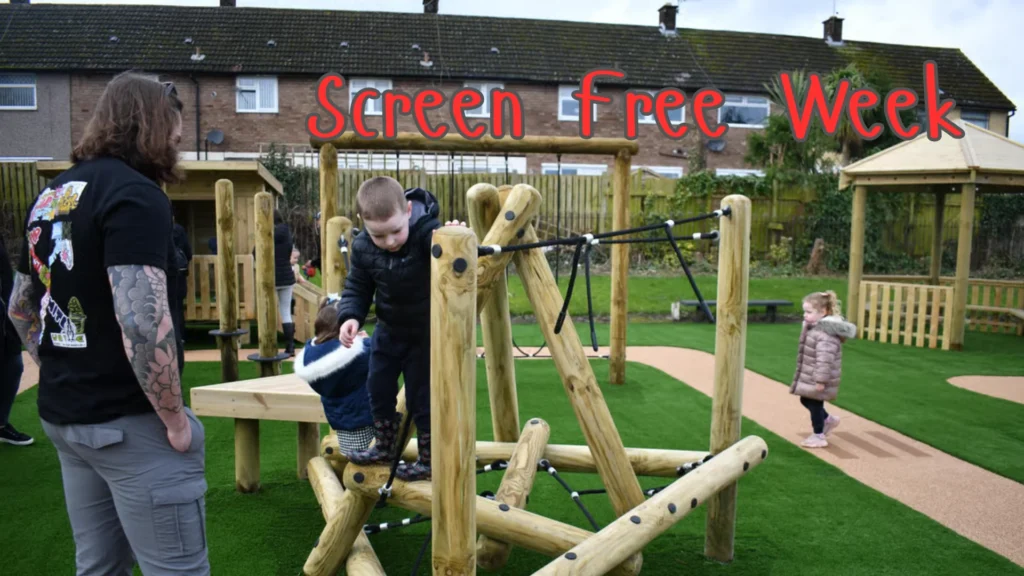
This article explains what Screen Free Week in kindergarten is and why young children benefit from less entertainment screen time and more real-world play. It describes typical changes in the classroom, simple steps teachers and families can take, and how to keep the most helpful new habits afterward.
Pincer Grasp Activities for Babies: Which Fun Ideas Work Best?
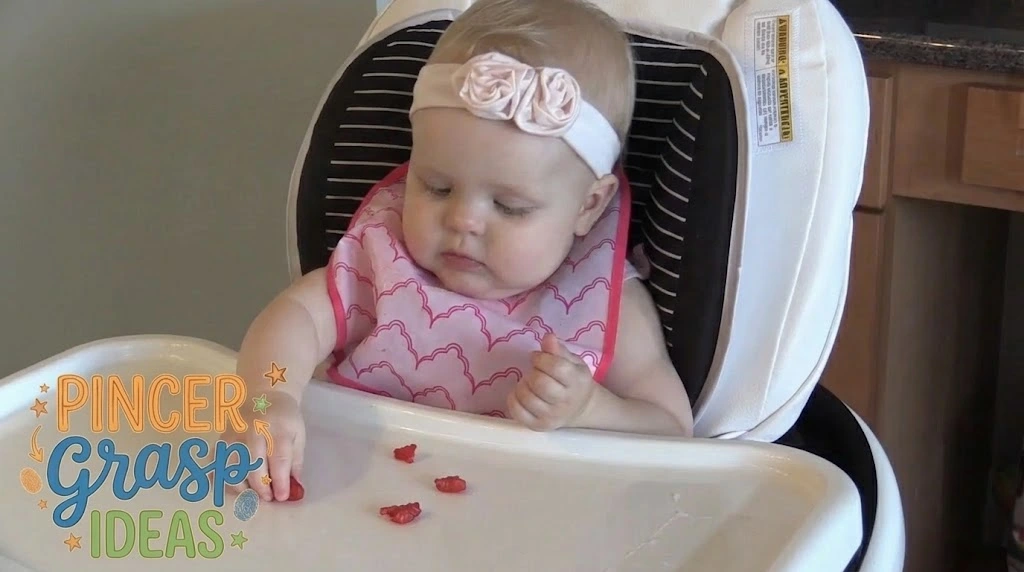
This article explains what a pincer grasp is, when it typically develops, and why it matters for a baby’s fine motor skills. It focuses on simple, everyday pincer grasp activities using food, play, and routine moments, along with key principles to support healthy development without pressure.
Mixed Age Classrooms: Benefits, Challenges, and Strategies

This guide breaks down what Mixed Age Classrooms actually mean in practice, why they can work so well for early learning, where they get messy, and what helps them run smoothly without burning out teachers or confusing families.
Interactive Storytime Ideas That Spark Kids’ Imaginations

Interactive storytime helps children stay focused, get involved, and use their imagination as they listen and respond to stories. Whether you are reading at home or in a classroom, adding a few creative touches can make a big difference in how kids experience and enjoy books. This article explores the value of interactive storytelling and how to make it work in everyday settings.
8 Small Classroom Setup Ideas That Make a Big Impact
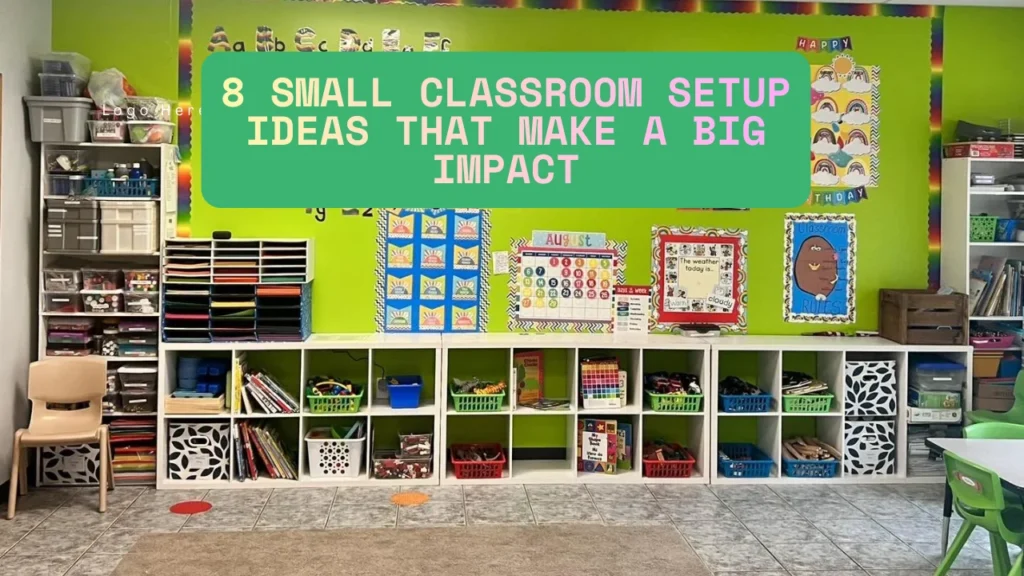
Transform any small classroom into a smart, organized space with 8 proven setup ideas that boost focus, save space, and make teaching easier.
What are Montessori Grammar Symbols?
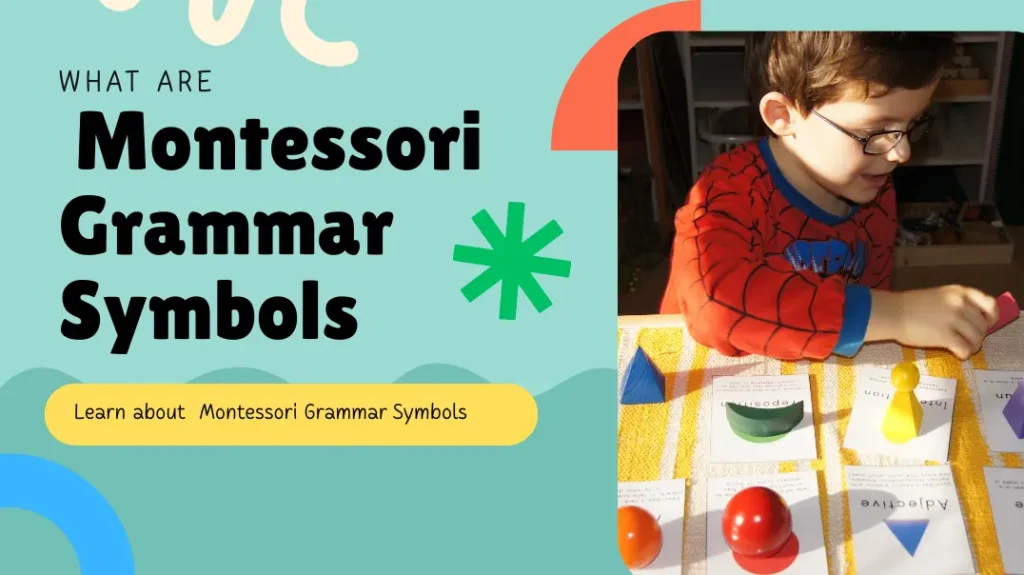
The article explains what Montessori grammar symbols are and how they support children’s language learning. It outlines the advantages of this visual grammar system, then describes ways to introduce Montessori grammar symbols to children through sentence construction, grammar games, word classification, and symbol recognition. It presents practical Montessori grammar symbol activities, recommends key resources such as books and grammar symbol sets, and clarifies common misconceptions about their applicability, exclusivity to Montessori schools, and focus on grammar.
Preschool Nap Time: Things You Should Know
This article delves into the true significance of naps for young children. It explains why naps are crucial for brain development, emotional balance, and healthy routines in preschoolers. You will learn how long infants, toddlers, and preschoolers should nap, and gain practical tips for creating calm, regular nap times both in the classroom and at home.
A Guide to Children’s Daily Routine at School

A well structured Children’s Daily Routine supports emotional security, smooth transitions and active learning in preschool settings. By combining clear activity periods, balanced play and rest, and an organized classroom layout, children gain confidence and independence throughout their day. This guide explains the key components of an effective preschool Routine and offers practical strategies for creating a calm, predictable and engaging daily flow for young learners.
What Is Loose Parts Play?
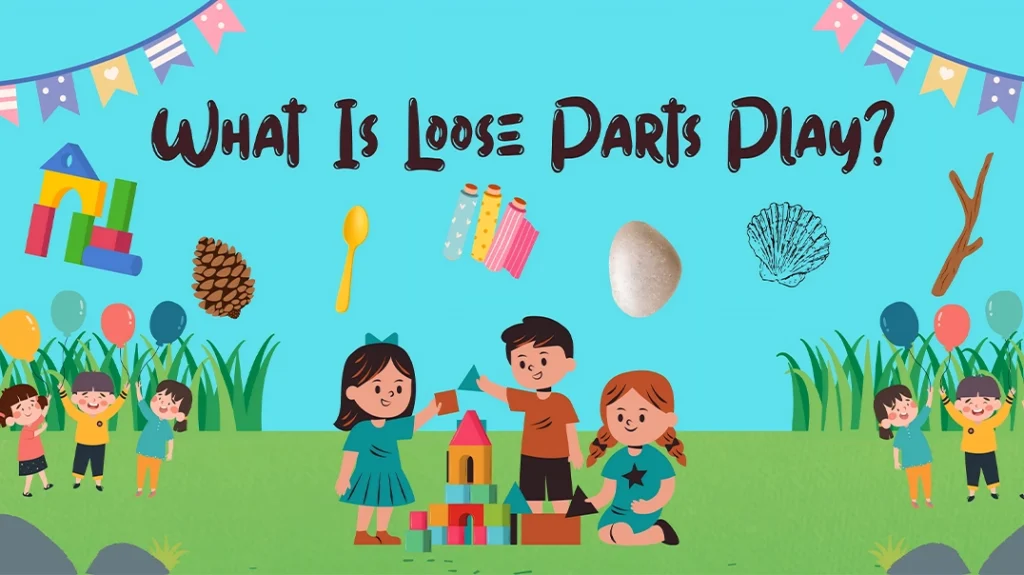
Loose Parts Play is a game format. This article explores What Is Loose Parts Play and explains how open materials support creativity, problem solving, sensory development, and child led learning. It examines core theories, practical classroom strategies, material selection, and real world examples to show why Loose Parts Play has become essential in modern early childhood education.