
 Japanese
  English
  Arabic
  French
  Italian
  German
  Spanish (Spain)
  Thai
Thai  Turkish
  Indonesian
  Vietnamese
  Polish
  Portuguese
  Malay
Malay  Swedish
  Spanish (Mexico)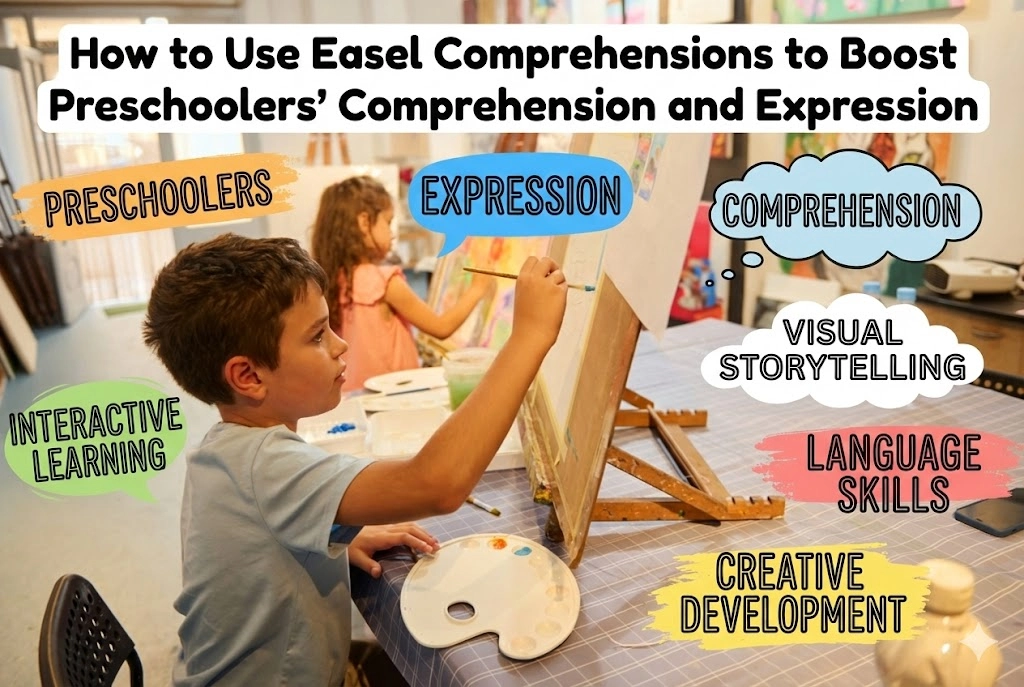
In preschool classrooms and homes alike, easels are often seen as simple stations for painting or coloring. When used intentionally, however, easels can become powerful platforms for developing young children’s comprehension and expressive language skills. By transforming creative art time into opportunities for interactive storytelling, open ended questioning, and literacy rich experiences, educators and parents can unlock deeper learning through everyday easel use.
This article explores how to move beyond basic drawing and use easels as meaningful learning tools that support early childhood development. You will discover practical ways to connect visual expression with language growth, help children make sense of their own creations, and foster stronger thinking and communication skills through thoughtful easel use.
Understanding the Link Between Art and Comprehension in Early Childhood
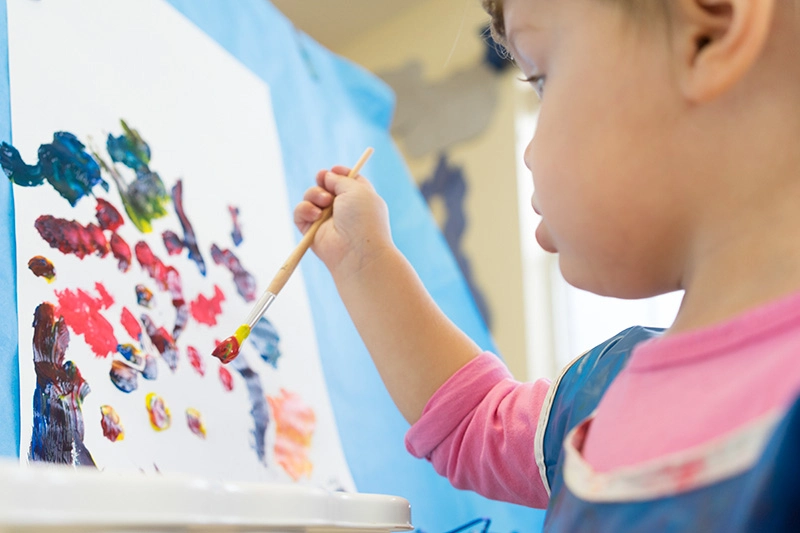
When we think about comprehension, we often picture a child reading words on a page. But for preschoolers, understanding begins much earlier. It starts with how they make sense of the world through pictures, play, and their own drawings. At this stage, meaning comes from what they see, how they feel, and the stories they begin to tell through art.
Art provides a powerful entry point into this process. When children engage in creative activities like painting or drawing on an easel, they are not just making pictures. They are telling stories, exploring emotions, and organizing their thoughts. These acts of visual storytelling activate the same cognitive processes used in verbal comprehension such as sequencing, inference, detail recognition, and narrative structure.
Research in early childhood education supports the idea that artistic expression fosters critical thinking and language development. The act of choosing colors, placing shapes, and explaining a drawing to a peer or adult all contribute to deeper cognitive engagement. Easels, with their upright and accessible format, offer a natural space for this kind of meaning making to flourish.
How Easels Encourage Expressive Language and Thought in Preschoolers
Research in early childhood education shows that language development thrives in environments that encourage interaction, imagination, and reflection. The easel supports all three. It creates a space where children can externalize their thoughts visually and then translate those ideas into words through guided conversation.
As children draw or paint, they engage in cognitive planning by choosing subjects, assigning meaning, and sequencing events. These mental processes naturally support expressive language when paired with adult prompts such as “What is your picture about?” or “Why did you choose those colors?” Each response becomes a building block for vocabulary, sentence structure, and narrative fluency.
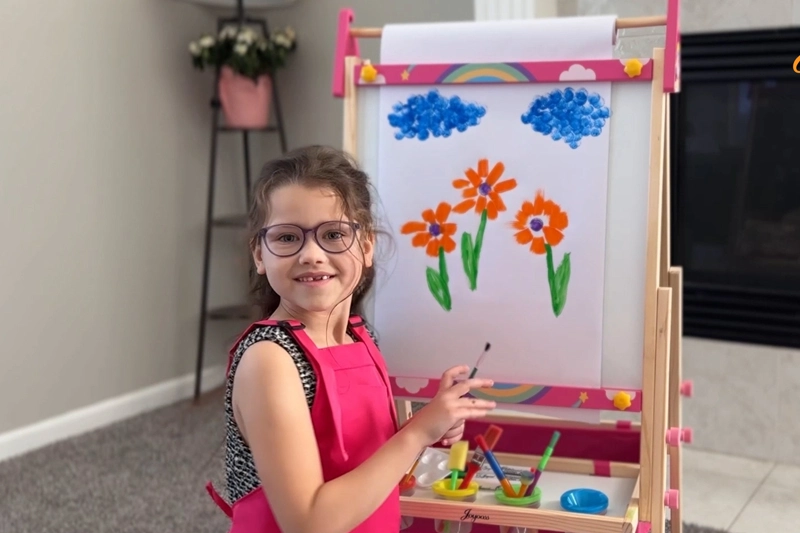
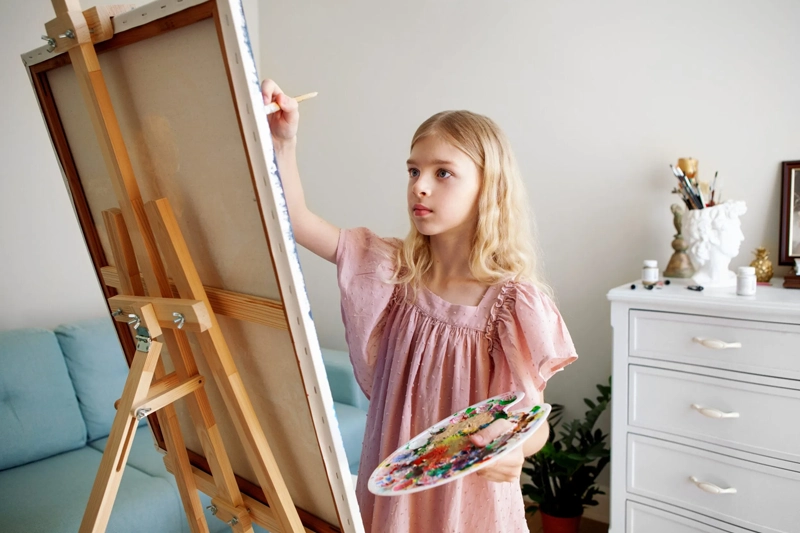
The physical design of the easel also plays a role. Standing upright, children use gross motor movements that stimulate brain areas tied to memory and verbal recall. Unlike table work, easel activities invite full body engagement which enhances attention and supports long term retention of new language. With consistent use, the easel becomes a tool not just for art but for thinking and speaking clearly.
Easel Strategies That Support Language, Literacy, and Comprehension
Instead of limiting the easel to free painting, educators and parents can turn it into a structured learning center that actively supports early language development. By designing purposeful experiences, adults can help preschoolers engage more deeply with their drawings, transforming creative moments into opportunities for expression, comprehension, and early literacy growth.
This section offers two categories of practical, easel based strategies. The first focuses on integrating foundational literacy skills into art making, and the second highlights ways to strengthen comprehension through guided visual storytelling.
1. Fostering Expressive Language and Vocabulary
Before children learn to read or write, they must learn to speak and communicate ideas effectively. The easel is a perfect stage for practicing verbal skills and expanding vocabulary through social interaction and description.
- Collaborative Masterpieces Assign two children to work on a single large sheet of paper at the easel. This forces them to negotiate space, plan together, and share ideas verbally (e.g., “I’ll draw the grass, you draw the sky”). This builds social communication and cooperative language skills.
- The “Artist Interview” Role-play as a reporter and interview the child while they work. Use a pretend microphone and ask them to describe their process. “I see you are mixing blue and yellow. What color are you creating?” This encourages children to verbalize their actions and learn process-based vocabulary.
- Descriptive Word Challenge Move beyond basic color names. Encourage children to use descriptive adjectives about textures and shapes. Ask prompts like, “Can you make a spiky shape?” or “How does the paint feel? Is it slippery または sticky?” This expands their descriptive vocabulary in real-time.
- Mood Painting Ask children to paint an emotion (like “excited,” “angry,” or “calm”) rather than an object. Afterward, have them explain なぜ they chose those colors or strokes to represent that feeling. This supports emotional literacy and the language of feelings.
2. Literacy Skills Through Easel Based Activities
These strategies combine art with early reading and writing skills to strengthen phonics, vocabulary, and print awareness in a playful, integrated way.
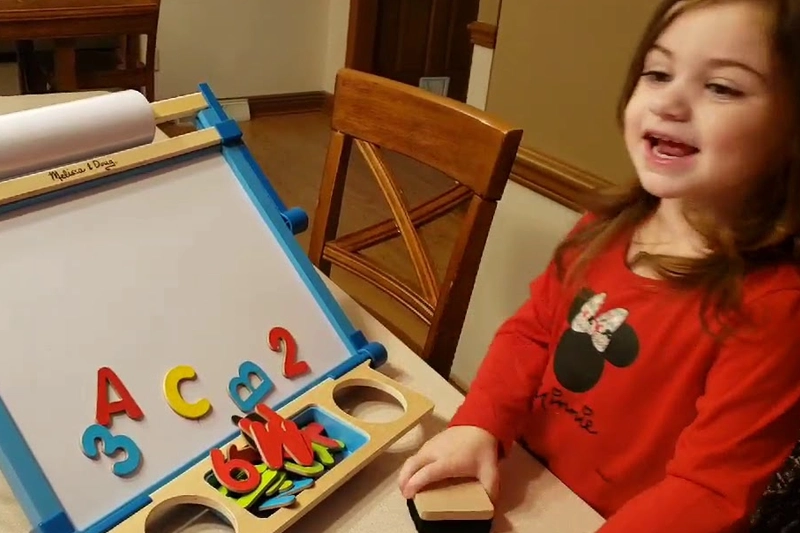
- Alphabet Inspired Art
Present a letter (like “B”) and invite children to draw or paint something that starts with that sound, such as a bear or balloon. This builds letter sound recognition and creative thinking. - Label the Drawing
After completing artwork, ask children to add words or labels. Even invented spelling supports early print concepts and builds vocabulary as children begin to connect words with meaning. - Story Panels on the Easel
Encourage children to draw a sequence of events on different sections of the easel—beginning, middle, and end. Then have them tell the full story. This enhances narrative structure and memory organization. - Draw Before Writing
Let children sketch their ideas before writing. Drawing allows them to clarify their thoughts, which helps with planning and confidence during actual writing tasks. - Painted Letter Practice
Use finger paint or brushes to write letters on the easel. This large motor approach makes letter formation more tactile and fun, while reinforcing correct shape and direction.
3. Easel Techniques That Promote Comprehension
These activities help children understand and organize information by encouraging them to think critically and narratively about what they create.
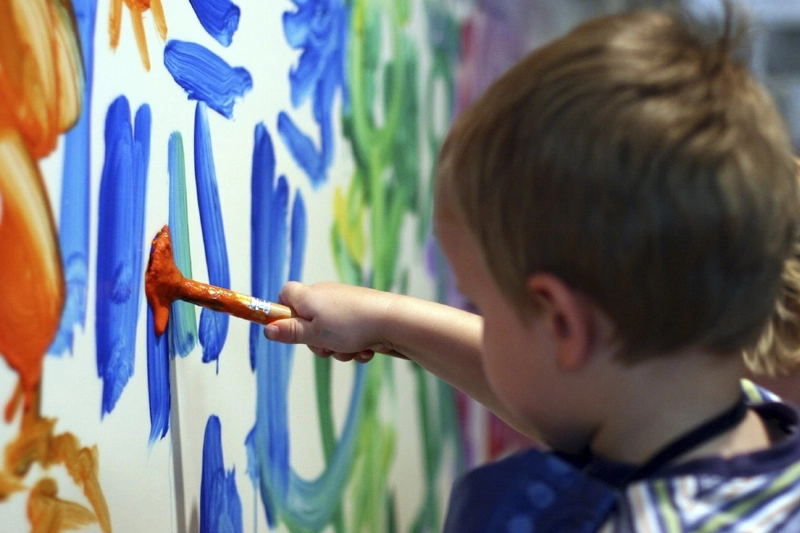
- Fill-in-the-Story Prompts
Provide partially drawn scenes and invite children to complete them with stickers or illustrations. Ask questions like “What should we add here?” to encourage thinking about setting, character, and action. - Open Ended Questioning
While children work, engage them in conversation. Swap “What is that?” for questions like “What’s happening here?” or “How do you feel about this part?” These prompts help children link images to stories and personal meaning. - Connect to Known Stories
When artwork resembles familiar story elements, build connections. For example, “That looks like Pete the Cat’s shoes. What happened to them?” helps children practice making narrative links and using story structure. - Draw the 5Ws
Encourage children to create pictures that answer Who, What, Where, When, and Why. This builds narrative comprehension and prepares them for future reading and listening tasks. - Reflect and Retell
After creating, ask children to retell what their picture shows. Help them sequence events or describe actions, building their narrative memory and expressive skills.
When used with care and intention, these easel based strategies do more than support art making. They give children a space to develop language in context—talking about what they create, using new vocabulary, and building stories from their imagination. This kind of integrated learning strengthens both comprehension and expression, laying the groundwork for future reading and communication success.
Common Mistakes and How to Avoid Them
While easels can be powerful tools for supporting comprehension and expression, their full potential is sometimes overlooked. To make the most of easel time, it is important to recognize a few common pitfalls and know how to shift toward more intentional, child-centered use.
1. Focusing Only on the Final Product
Some adults place too much emphasis on what the finished artwork looks like. This can pressure children to “perform” rather than explore. Instead, prioritize the process. Ask questions, listen to their stories, and celebrate their effort and imagination.
2. Skipping Verbal Interaction
If easel time is treated as a quiet, independent activity, children miss out on valuable opportunities to build language. Make space for conversations. Prompt them to describe what they are doing, explain choices, or make up stories as they paint.
3. Not Connecting Art to Literacy Goals
Art and literacy are sometimes taught in isolation. By intentionally linking easel activities to vocabulary, sequencing, or storytelling, you can build strong foundations for comprehension without sacrificing creativity.
4. Ignoring the Power of Open Ended Questions
Avoid yes or no questions like “Is that a dog?” Instead, ask “What’s happening here?” or “Tell me about this part.” These questions encourage deeper thinking and give children the chance to develop their expressive language.
5. Providing Limited Materials or Themes
Overly structured or repetitive easel setups can limit children’s creativity. Rotate materials, introduce new story themes, or let children choose what they want to explore. The more invested they feel, the more expressive and reflective their language becomes.
By being mindful of these common mistakes, educators and caregivers can turn everyday easel time into rich, responsive learning experiences that nurture both artistic expression and early literacy development.
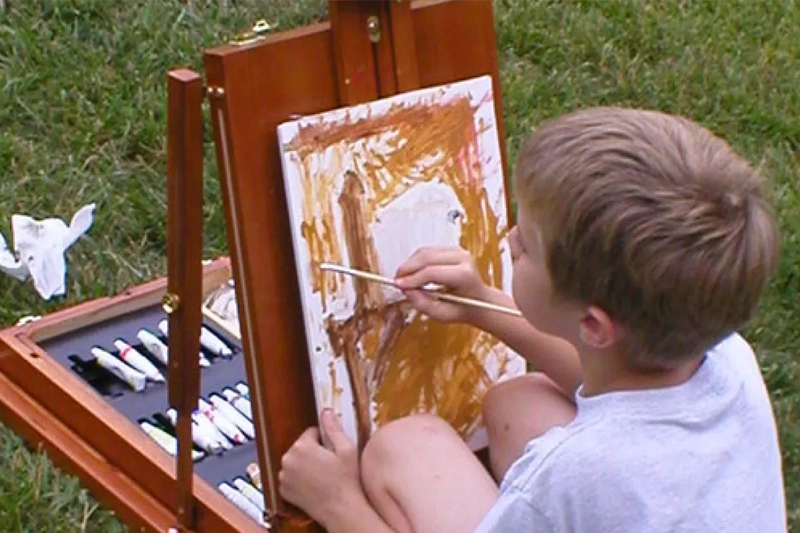
How Teachers and Parents Can Support Easel Based Learning?
The value of easel based learning is shaped not only by the activity itself but by how adults frame and respond to it. Teachers and caregivers provide the language, structure, and emotional cues that turn painting time into meaningful communication. By fostering choice, encouraging dialogue, and introducing new ideas gently, adults create a setting where children feel confident expressing themselves and curious enough to explore language through art.
1. Create an Open and Flexible Environment
Allow children the freedom to choose what they want to draw or paint. Avoid rigid instructions or expectations. This encourages self expression and gives children the confidence to explore their own ideas without fear of doing it “wrong.”
2. Be a Curious Conversation Partner
Talk with children as they work. Ask open ended questions, show genuine interest in their process, and follow their lead. Let their artwork guide the conversation instead of trying to direct it.
3. Introduce New Vocabulary Naturally
As children describe their work, gently introduce new words. For example, if a child says “big red thing,” you might say, “That’s a giant red volcano. Volcanoes are huge mountains that erupt.” This builds language without interrupting their flow.
4. Offer a Variety of Materials
Rotate the tools and prompts available at the easel. Add stickers, themed stencils, photos, word cards, or seasonal inspirations. New materials invite fresh thinking and make each session feel unique and engaging.
5. Encourage Reflection Afterward
When children finish their work, take a moment to reflect together. Ask them to tell the story behind their art or explain their choices. This not only reinforces comprehension but also helps develop narrative memory and emotional insight.
Supporting easel based learning is not about controlling the outcome but about guiding attention to meaning, encouraging conversation, and helping children feel heard and understood. When adults show interest and offer space for exploration, children thrive.
Choosing the Right Easel for Your Preschooler’s Development
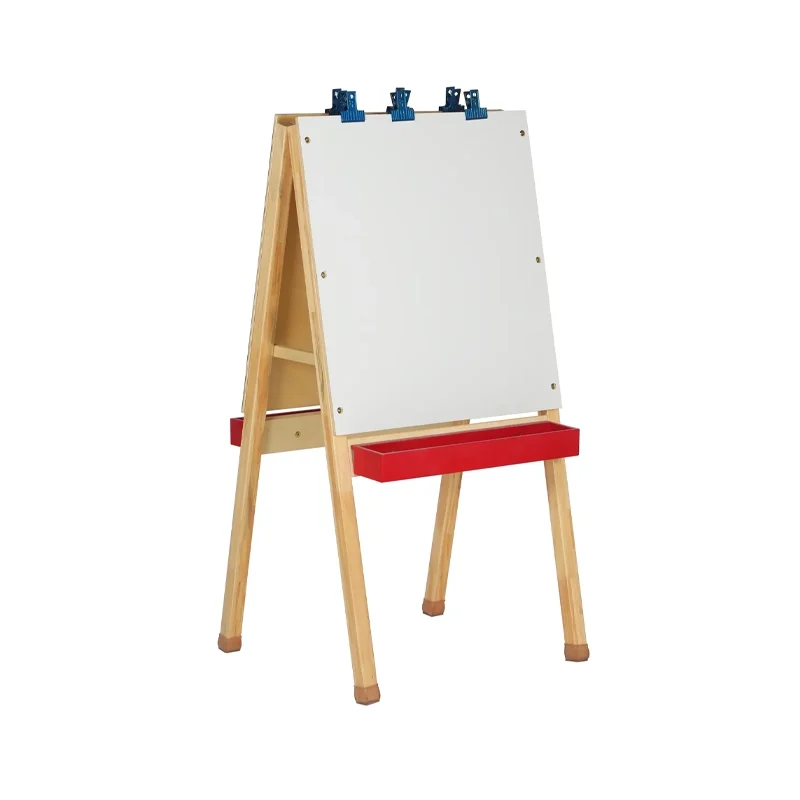
Not all easels are created equal. If you want to use easel time as a tool for enhancing comprehension and expression, it is worth choosing a product that supports your goals. The right easel not only inspires creativity but also accommodates the developmental needs of preschoolers, making every moment at the easel more effective.
1. Prioritize Stability and Safety
For young children, physical confidence is key. Look for an easel with a sturdy base, smooth edges, and nonslip legs. This allows children to focus on expression without distraction or concern about tipping.
2. Choose Adjustable Heights and Dual Sides
Preschoolers grow fast, and their tools should grow with them. Adjustable easels ensure comfort and accessibility for every child. Double sided models allow for group storytelling and shared creativity, which enhances social learning and language exchange.
3. Look for Multi Surface Options
A great easel offers more than just a place to paint. Chalkboards, whiteboards, magnetic surfaces, and clip holders expand the ways children can interact with language and visuals. These features support a wider range of comprehension strategies such as sequencing and labeling.
4. Make Clean Up Easy
If the easel is easy to wipe down and manage, both children and adults are more likely to use it frequently. Storage trays, paper rolls, and clip systems can make transitions smoother and keep focus on learning rather than logistics.
5. Align the Easel with Learning Goals
Think about how you want to use the easel. Will it support literacy development, storytelling, social interaction, or sensory exploration? Choose a product that reflects your teaching or parenting values and integrates well into your learning environment.
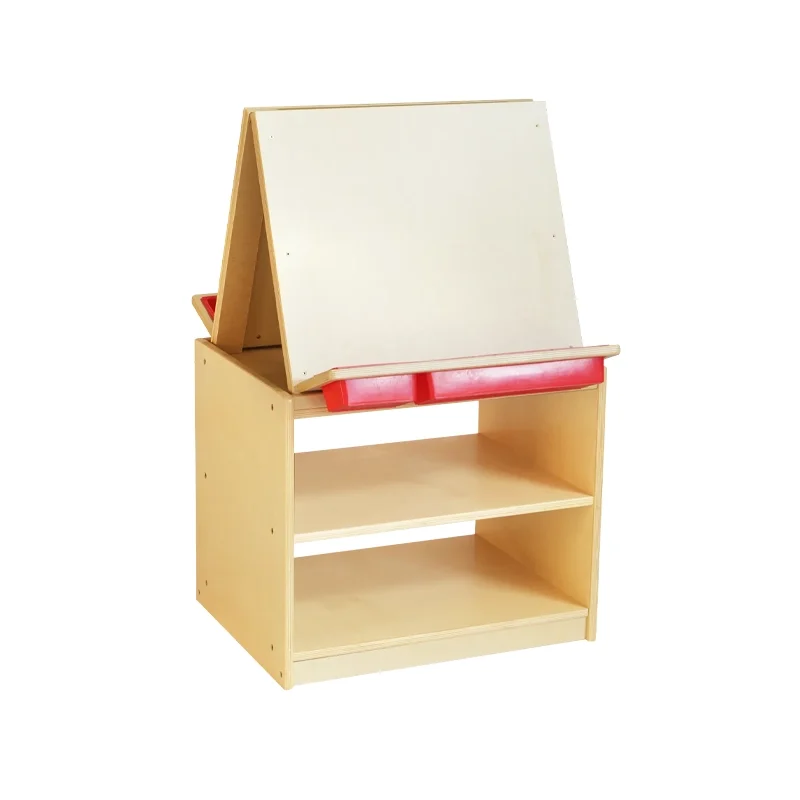
If you are looking for an easel designed with preschool development in mind, both fun and functional, you can explore our curated selection here. These easels are built to support expressive language, comprehension skills, and creative confidence in young learners.

Conclusion: Easels as a Gateway to Deeper Learning
Easels are often seen as simple tools for artistic play, but when used with purpose, they can become gateways to much deeper learning. For preschoolers, the act of painting, drawing, and storytelling at the easel can support key areas of development including comprehension, expressive language, and narrative thinking.
By intentionally integrating language prompts, open ended questions, literacy elements, and story connections into easel time, adults can help children move beyond the surface of creativity. They begin to explore meaning, organize their thoughts, and express themselves more clearly—skills that lay the foundation for lifelong communication and learning.
Whether you are a teacher designing meaningful classroom routines or a parent looking to support your child’s early development at home, the easel is more than a workspace. It is a conversation starter, a storytelling platform, and a literacy tool that empowers children to make sense of the world around them.
The key is not in the brush or the paper but in the way we listen, guide, and encourage children as they create. With the right support, easel time becomes a powerful part of every preschooler’s journey toward understanding and self expression.