
 Korean
  English
  Arabic
  French
  Italian
  German
  Spanish (Spain)
  Thai
Thai  Japanese
  Turkish
  Indonesian
  Russian
  Vietnamese
  Polish
  Portuguese
  Malay
Malay  Swedish
  Bulgarian
  Mongolian
  Spanish (Mexico)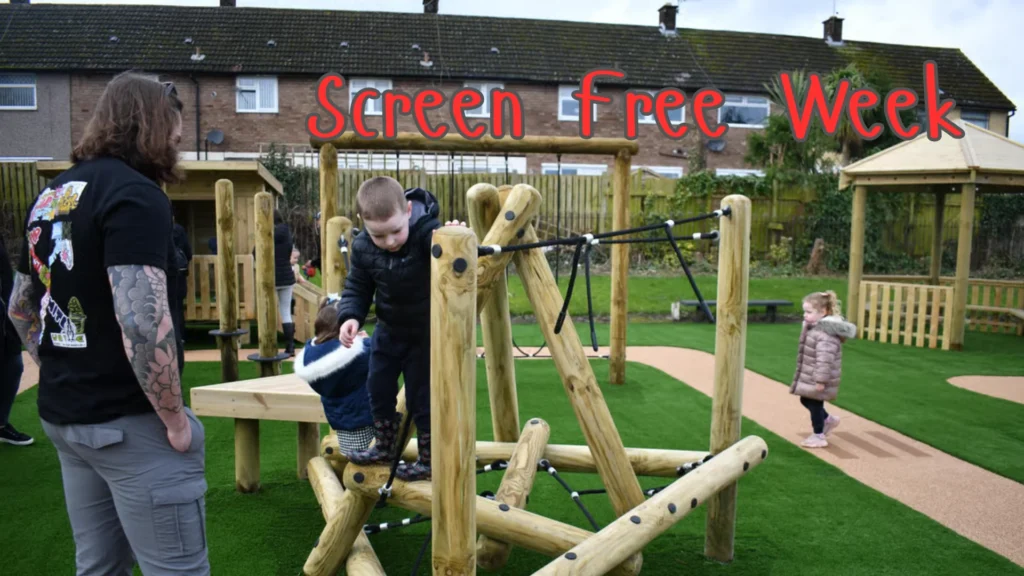
What Is Screen Free Week in Kindergarten?
Screen Free Week in kindergarten is a short, planned time when a class reduces optional entertainment screens and makes more room for real-life play and interaction. It usually means turning off things like cartoons “while we wait,” reward videos, or tablets used mainly for fun.
It does not mean banning all technology or stopping teachers from using screens for essential communication or specific lessons. Instead, teachers simply choose to pause automatic, habit-based screen use for a few days and see what happens when children spend that time moving, talking, creating, and playing in the real world.
Some schools try a full week. Others start smaller, with one screen-light day or one screen-light morning. The key idea is the same: for a short time, screens move to the background so that children’s bodies, senses, relationships, and play can move to the front.
Why Do Young Children Need a Screen Free Week?
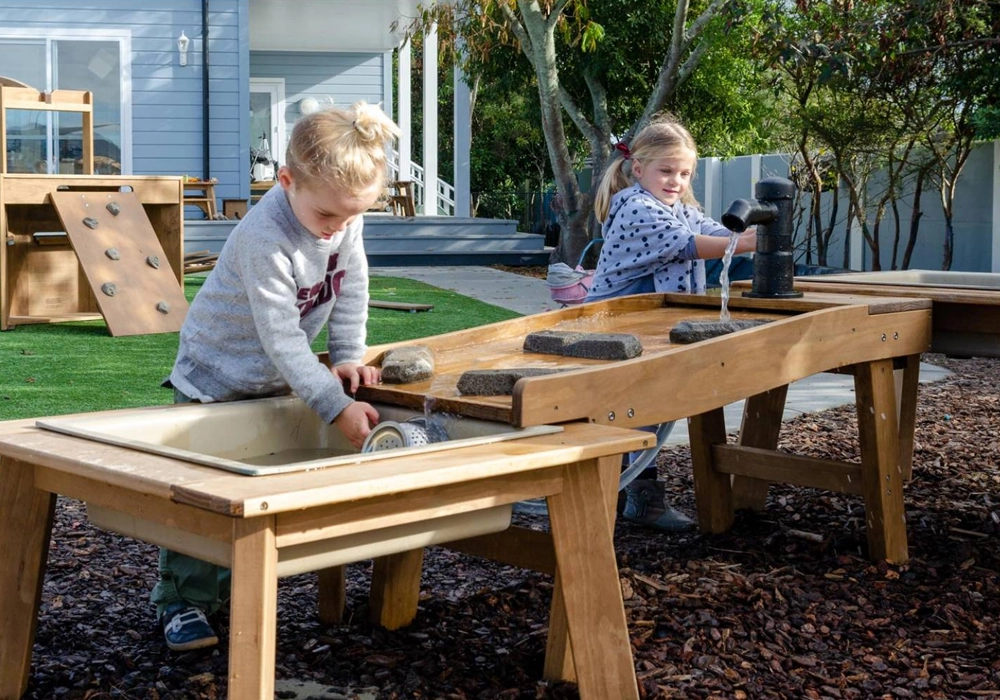
Young children need a Screen Free Week because they learn best with their whole bodies and all their senses, not just their eyes and fingers on a screen. In the early years, brains are built through movement, touch, sound, and face-to-face interaction.
When optional entertainment screens take up a lot of time, they often push aside the experiences children need most: running, climbing, talking, pretending, solving small problems with friends, and exploring real materials. Screens can be fun and convenient, but they are usually fast, loud, and designed to keep attention, not to build patience, focus, or self-control.
A short Screen Free Week gives children a chance to practice other skills that screens cannot easily offer: waiting for a turn, handling boredom, finishing a game they invented, or listening to a full story without constant visual stimulation. These are the quiet foundations of school readiness and emotional growth.
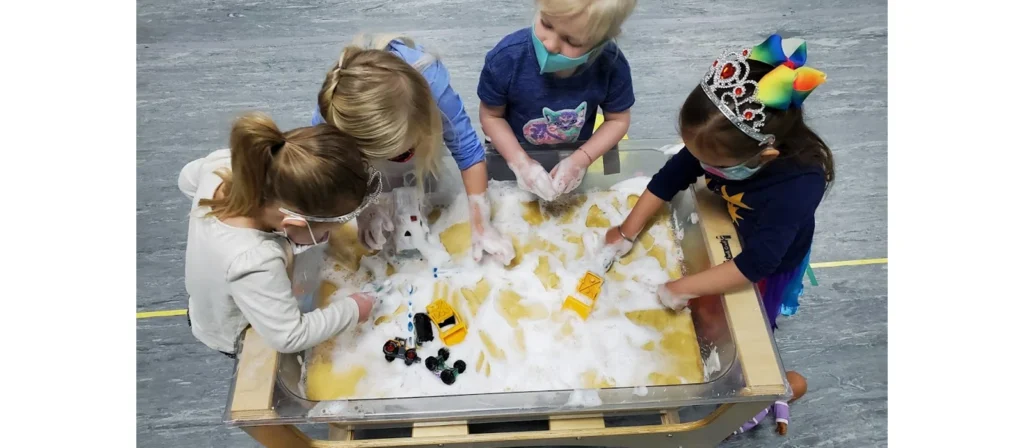
For teachers and families, this week is also a chance to notice how children behave, play, and relate to others when screens are not always the first option. Even a few days can reveal what children are capable of when real-life play and connection move back to the center.
What Changes During Screen Free Week at School?
The Classroom Feels Different
When entertainment screens are turned off, the classroom sounds and feels different. Instead of background videos or music, there are voices, footsteps, and small sounds of play. Children look around more. They notice their friends, their teachers, and the materials in the room, not just a screen in front of them.
Play Becomes Deeper and Longer
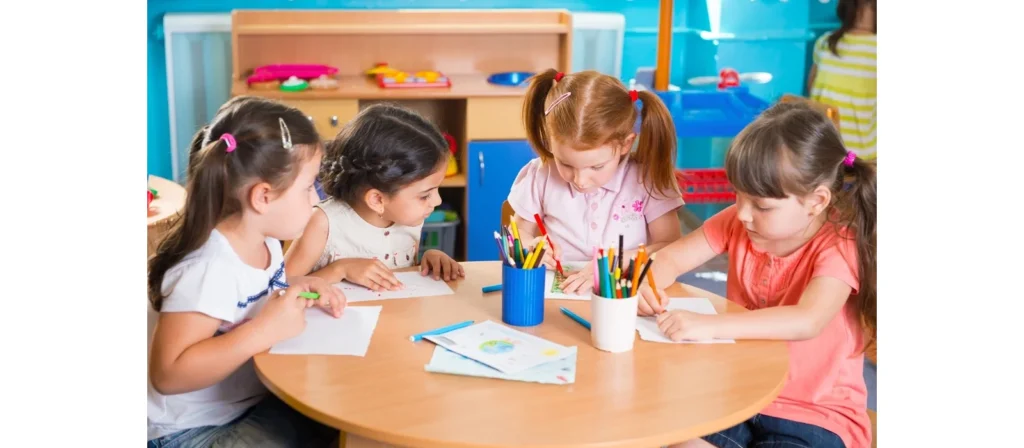
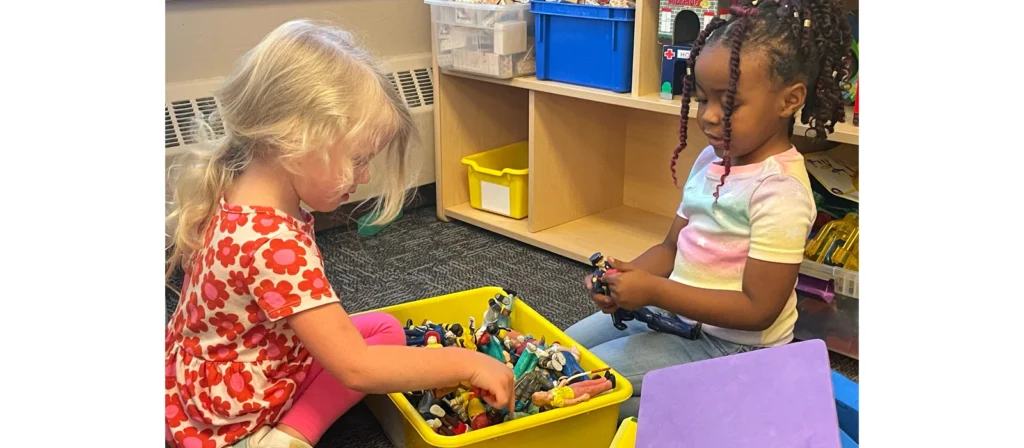
Without quick digital entertainment, play begins to stretch. Children stay longer with 블록, pretend play, drawing, or simple loose parts. They make up rules, change them, and come back to the same game later in the day. Their play is not just louder or wilder. It slowly becomes more focused, creative, and connected to the real world around them.
Children Learn to Handle Boredom and Choice
At first, some children may ask for screens or say “I’m bored.” This is a normal part of the shift. Over a few days, many start to discover other options, such as joining a friend, picking up a book, building something, or watching what others are doing. Screen Free Week gives them gentle practice in managing boredom, making choices, and starting something on their own.
Relationships Grow Stronger
The most important change is in connection. With fewer screens, there is more time for eye contact, shared jokes, longer conversations, and small moments of comfort. The room may still be noisy and messy. This is kindergarten. Beneath the noise there is more real life happening between children and adults, face to face and moment by moment.
How Teachers Can Plan a Simple Screen Free Week?
Set a Simple, Clear Goal
Begin by choosing one small, realistic change. For example, decide that during Screen Free Week you will not use videos while waiting or tablets for rewards. A clear rule like “We only use screens for essential tasks this week” helps everyone stay on the same page.
Adjust the Routine and the Environment
Look at your daily schedule and pick a few moments to keep screen free, such as arrival time, snack time, or the last part of the morning. Put screens out of sight when they are not needed and make sure children can easily reach books, blocks, drawing tools, and pretend play materials. A room that invites real play makes it easier for children to forget about screens.
Share the Plan With Colleagues and Families
Tell your team what you are trying and why, so assistants and substitutes can support the change. Send a short, calm note to families explaining that Screen Free Week at school is a gentle experiment, not a strict rule for home. If they want to join in, suggest one simple idea, such as a screen free dinner or a bedtime story instead of a video.
How Families Can Support Screen Free Week at Home?
Keep The Message Simple And Kind
When you tell your child about Screen Free Week, use calm and positive language. You can say that school is trying a special week with more real play and less screen time. Emphasise what you will do together, not what you are taking away.
Try One Or Two Small Changes
You do not need to change everything at once. Choose one or two moments to keep screen free, such as family dinner, the ride home, or the last 30 minutes before bed. Reading, talking, drawing, or simple play can gently fill that time.
Stay Flexible And Notice What Feels Good
Some days will feel easier than others and that is normal. If your child struggles, shorten the screen free time or offer a simple choice, such as a story, a game, or helping in the kitchen. Pay attention to the small moments that feel calmer, closer, or more joyful and consider keeping them even after Screen Free Week ends.

How to Keep the Best Parts After Screen Free Week?
Take A Moment To Reflect
After Screen Free Week, pause and notice what changed. Think about when children were most calm, most engaged, or most connected with you and with each other. These moments show you what is worth keeping.
Choose One Or Two Things To Continue
You do not need to keep everything. Pick one or two changes that felt good and realistic, such as a screen free morning routine, quiet story time without videos, or an outdoor play block every day. Let these become part of your normal week.
Treat It As An Ongoing Experiment
Screen use and real world play will keep shifting as children grow. You can return to the idea of a screen light day or mini Screen Free Week whenever routines start to feel too busy or too digital. Small, regular adjustments help protect time for real life, without needing strict or permanent rules.
결론
Screen Free Week in kindergarten does not have to be perfect to be powerful. When optional entertainment screens step back, even a little, there is more space for real play, real feelings, and real connection to step forward. By trying small changes at school and at home, and by keeping the moments that feel good, teachers and families can slowly build days that are a little less screen filled and a lot more real life.