 German
  English
  Arabic
  French
  Italian
  Spanish (Spain)
  Thai
Thai  Japanese
  Turkish
  Indonesian
  Vietnamese
  Polish
  Portuguese
  Malay
Malay  Swedish
  Spanish (Mexico)
 MINT-Spielzeug
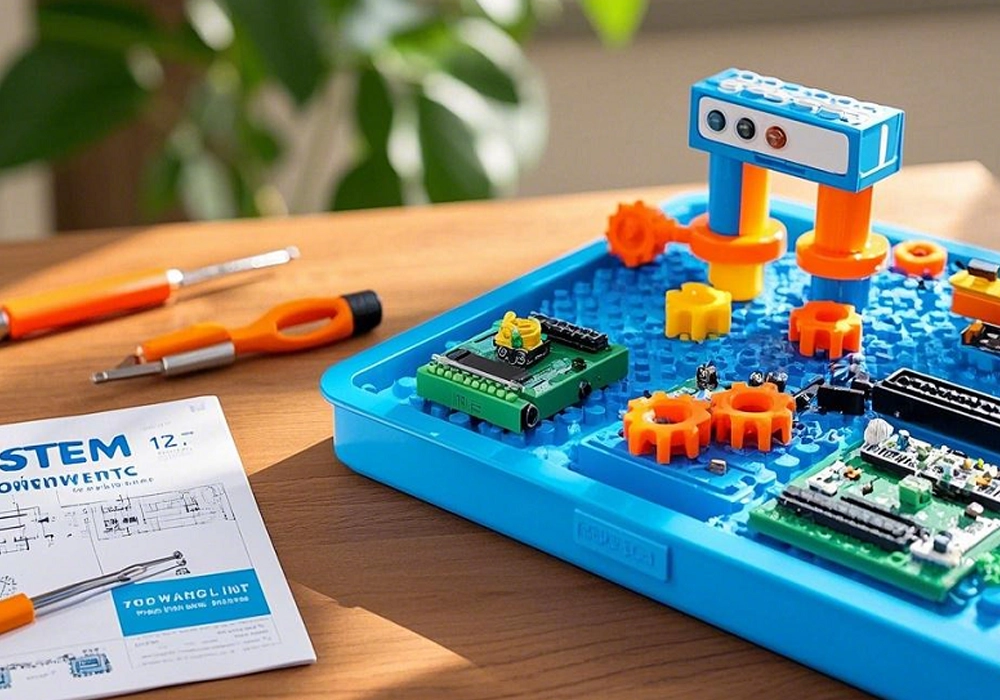
Our STEM Toys introduce preschool children to the core principles of science, technology, engineering, and math through hands-on, interactive play. Designed with early learners in mind, our collection includes coding kits, building sets, magnets, and science tools that spark curiosity and build foundational skills. As a trusted manufacturer and supplier, we develop each product to support classroom learning, encourage problem-solving, and promote creative thinking. Our wide range of STEM Toys helps schools and educators create meaningful, development-focused learning environments that inspire young minds to explore, question, and discover.
STEM Toys Across Science, Technology, Engineering, and Math
Our STEM Toys are thoughtfully organized around the four key areas of learning: Science, Technology, Engineering, and Math. This structure helps educators and parents choose the right tools for balanced, hands-on development. Each category features age-appropriate toys that turn complex concepts into fun and interactive learning experiences.
Wissenschaftliches Spielzeug
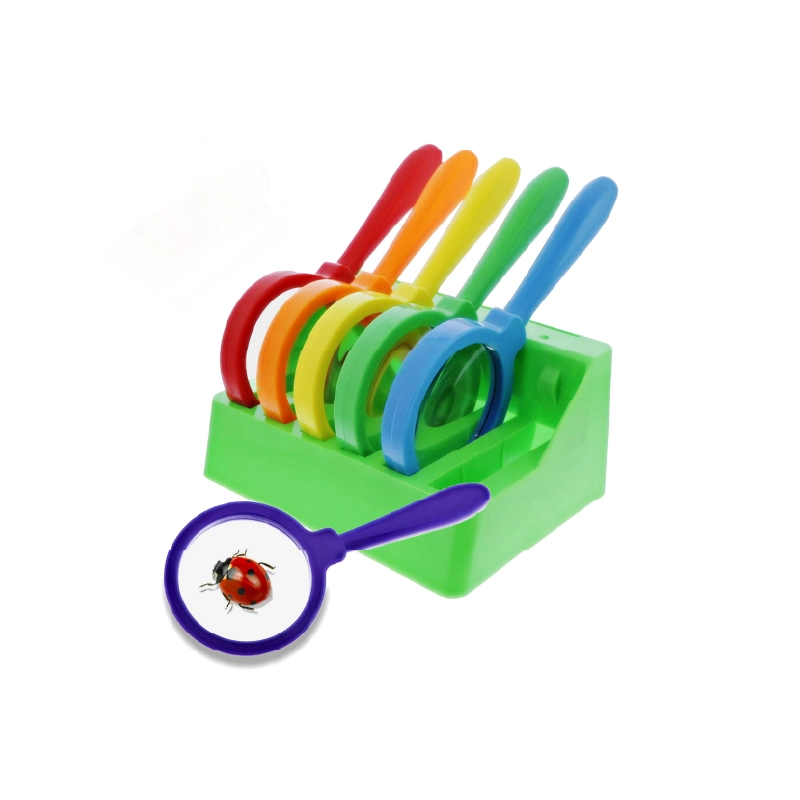
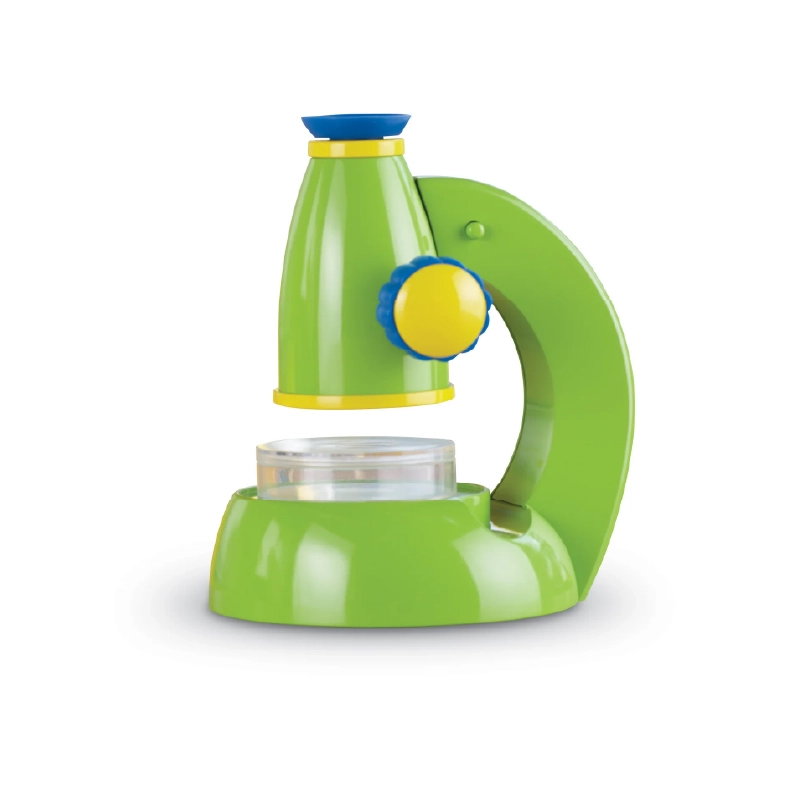
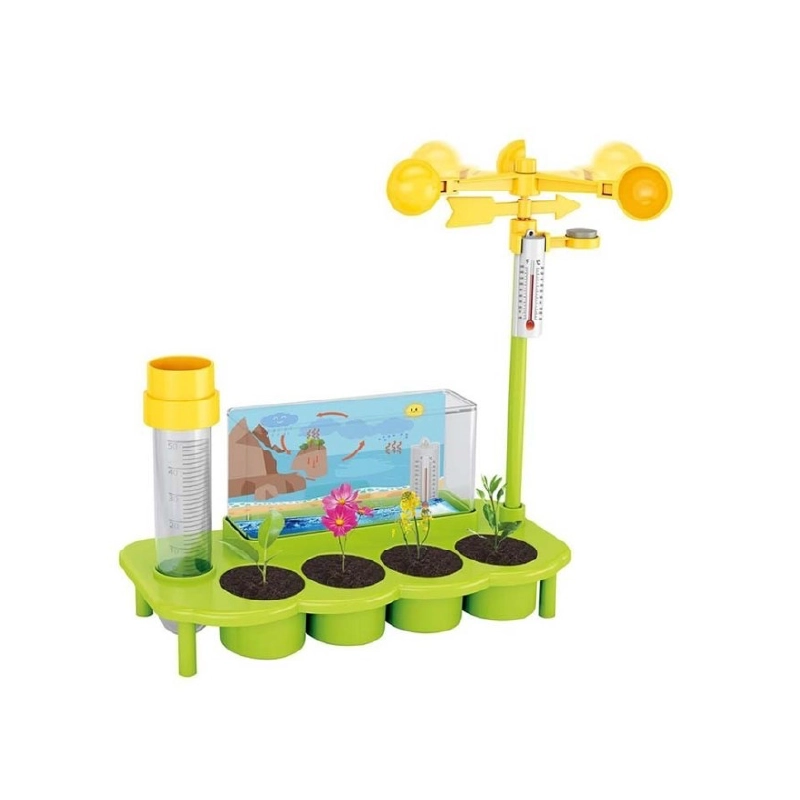
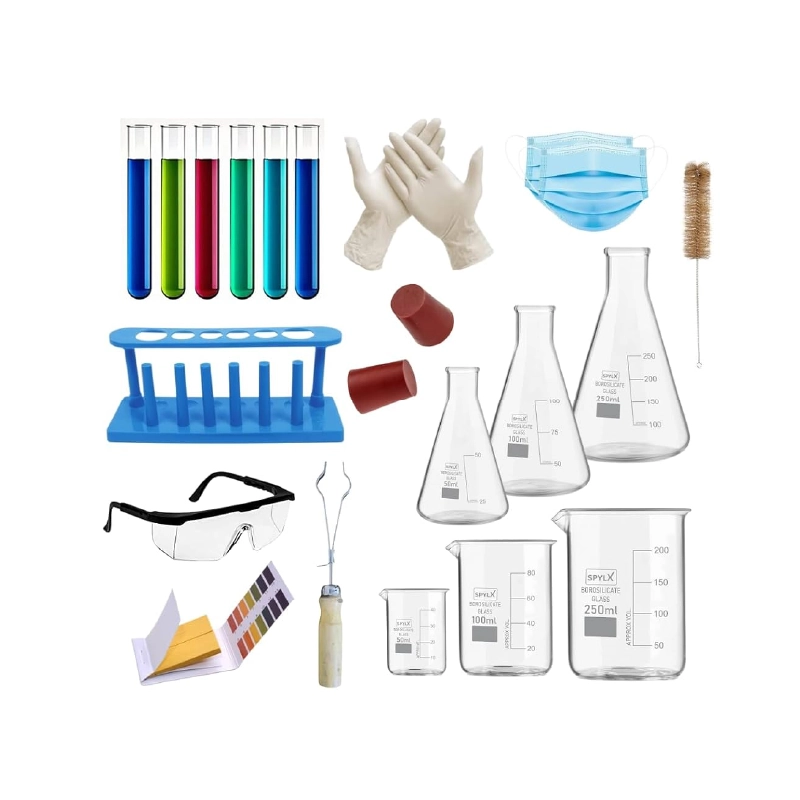
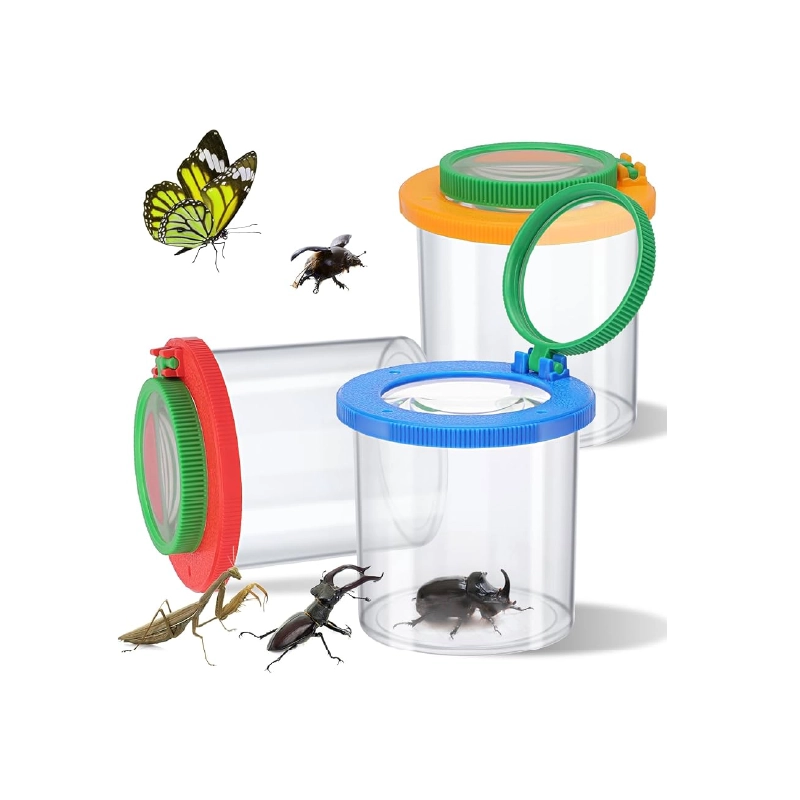
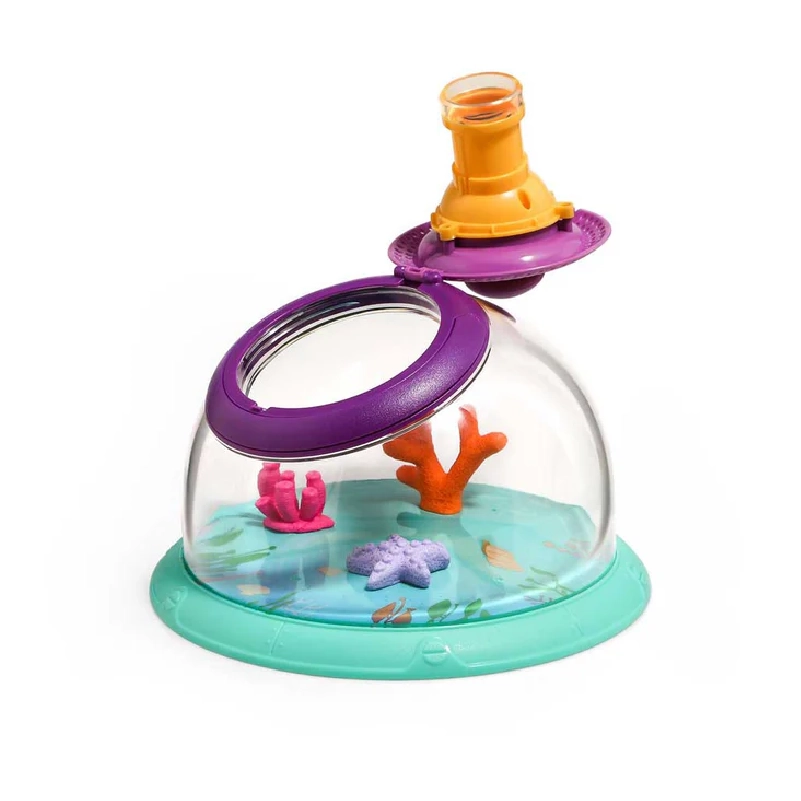
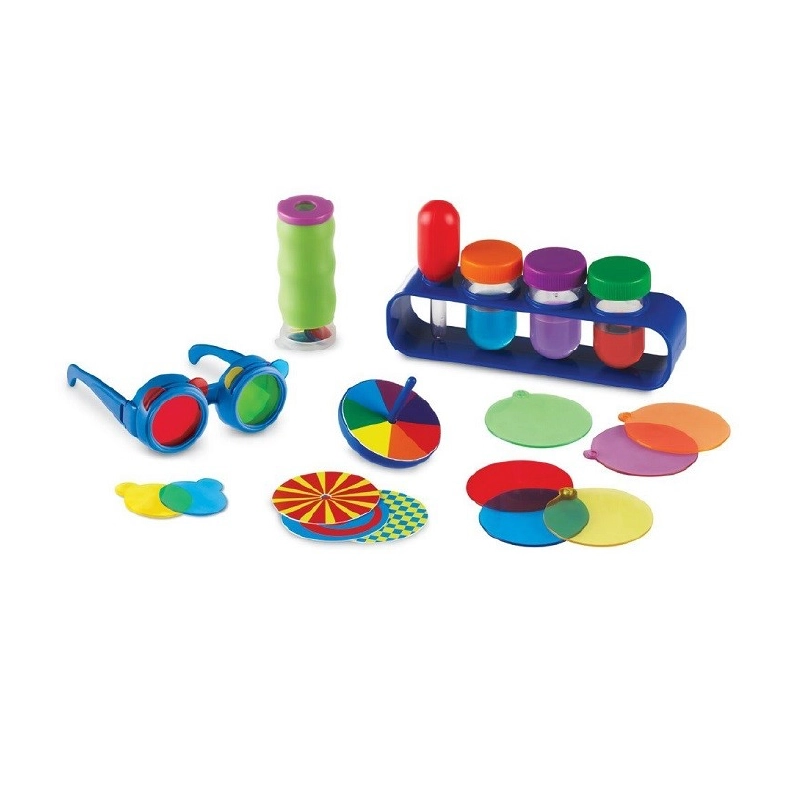
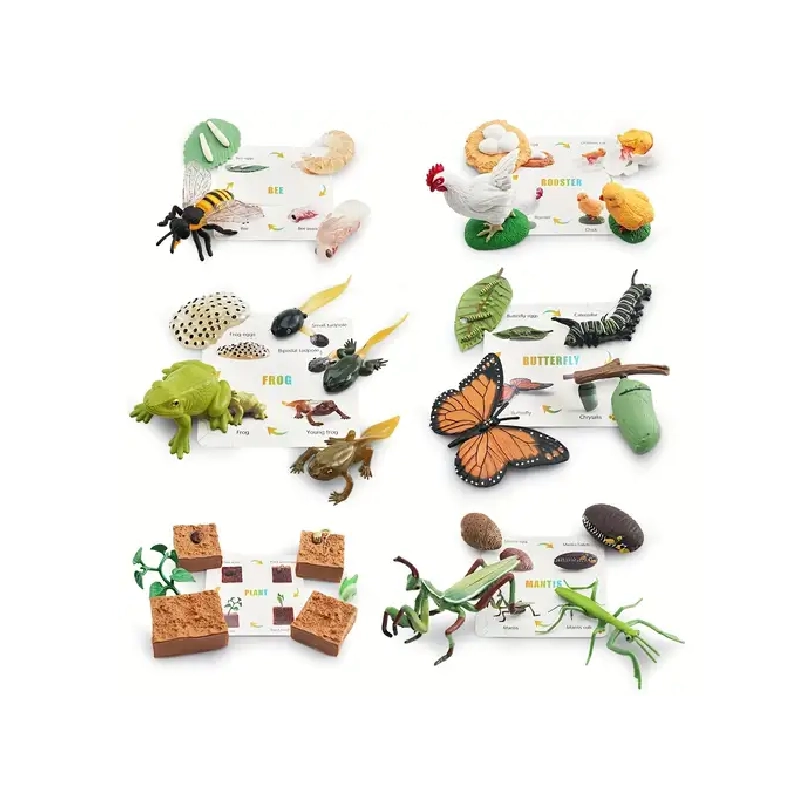
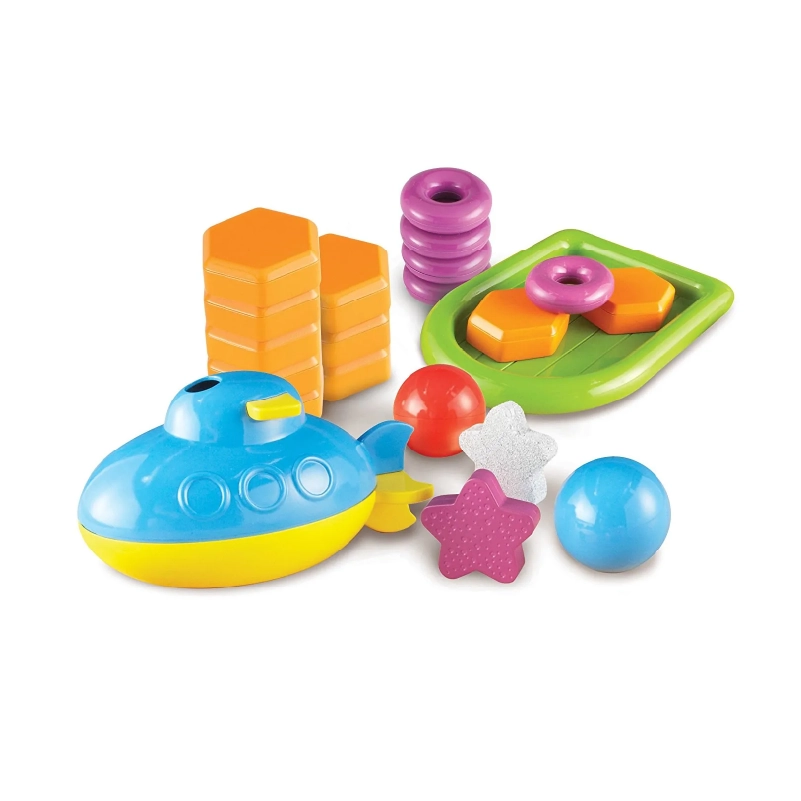
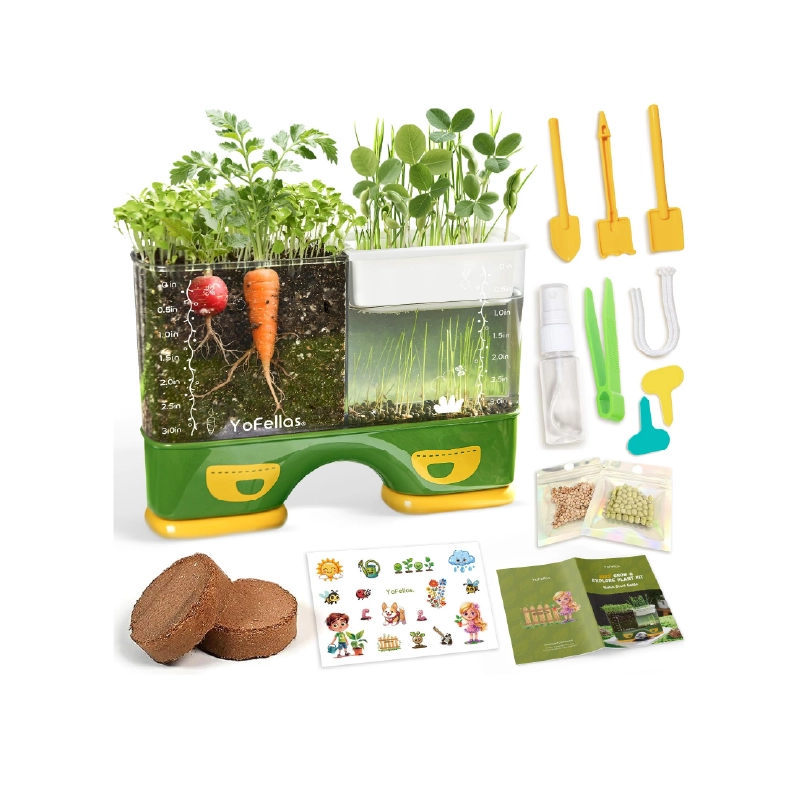
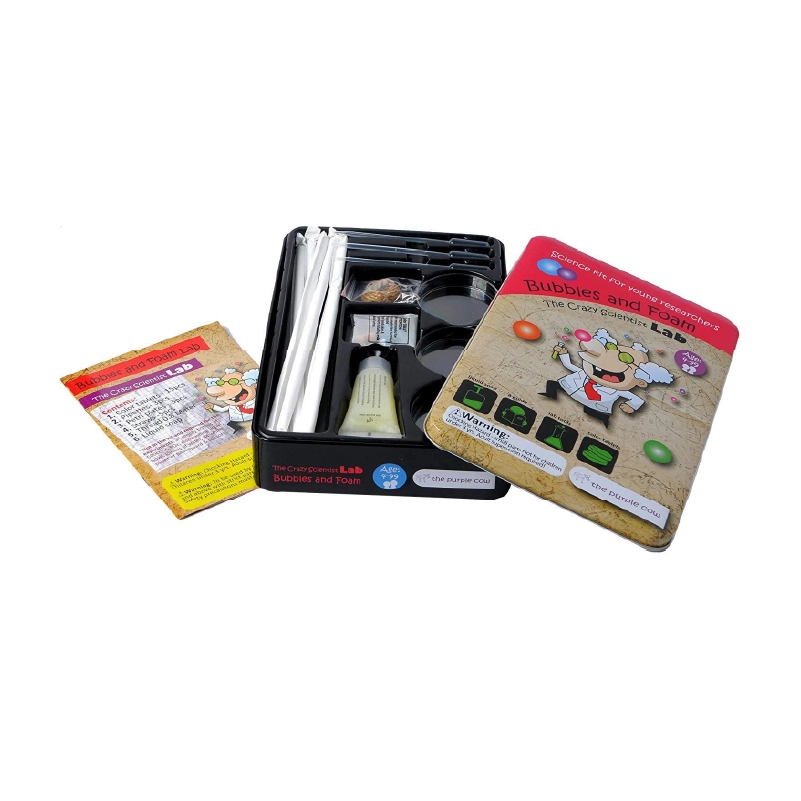
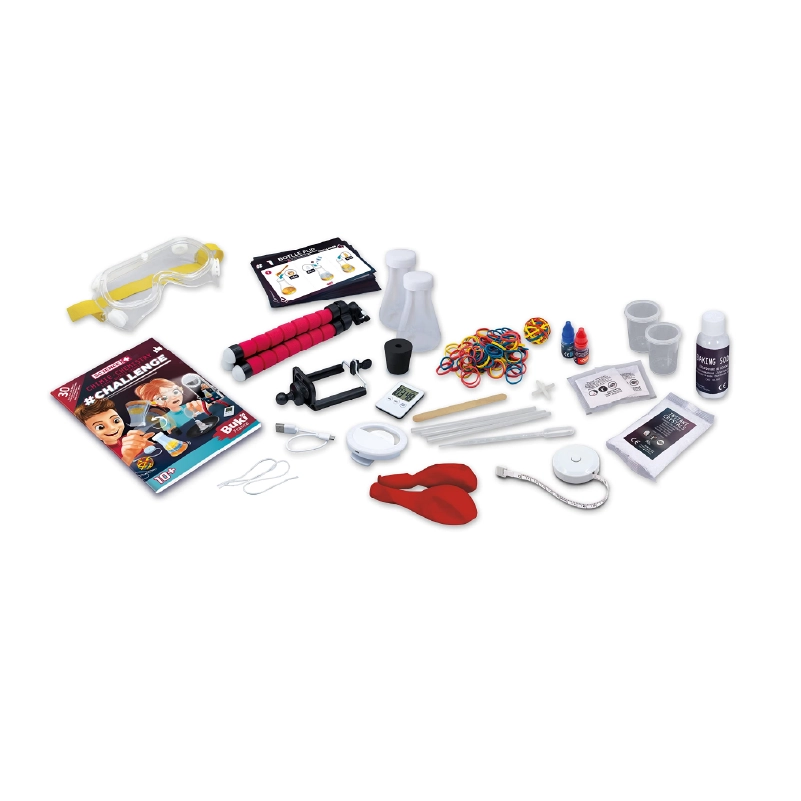
Introduce young learners to the natural world with toys that support observation, experimentation, and discovery. These include lab kits, magnifying sets, weather instruments, and basic biology models that spark curiosity and encourage exploration.
Technology Toys
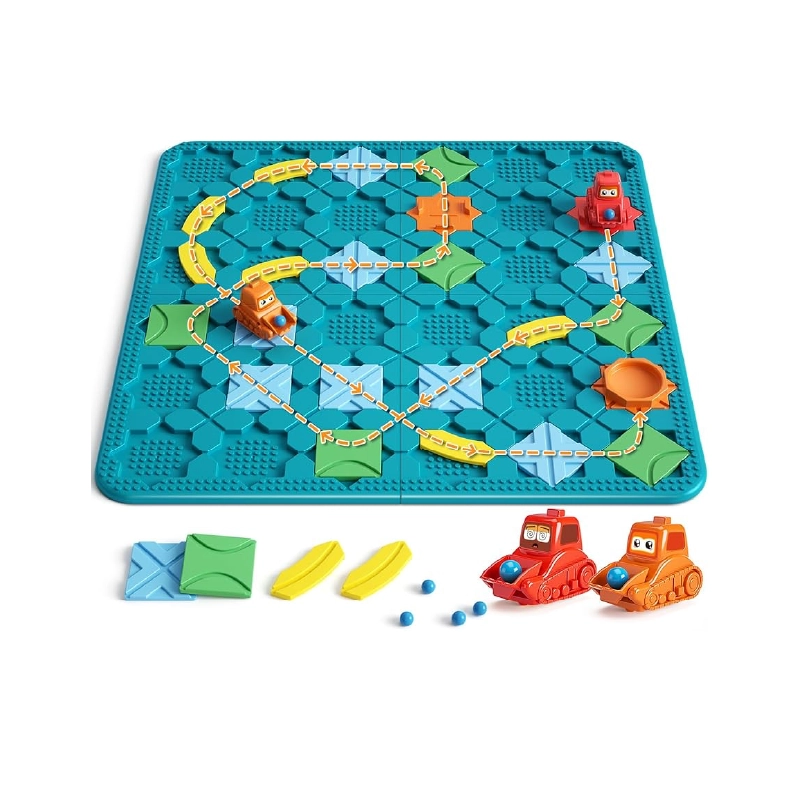
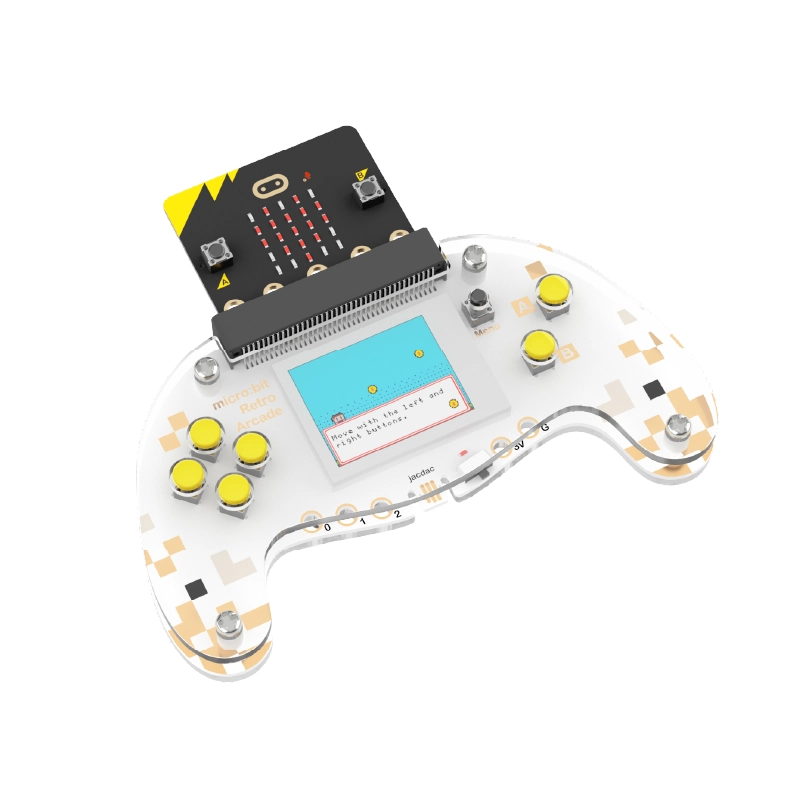
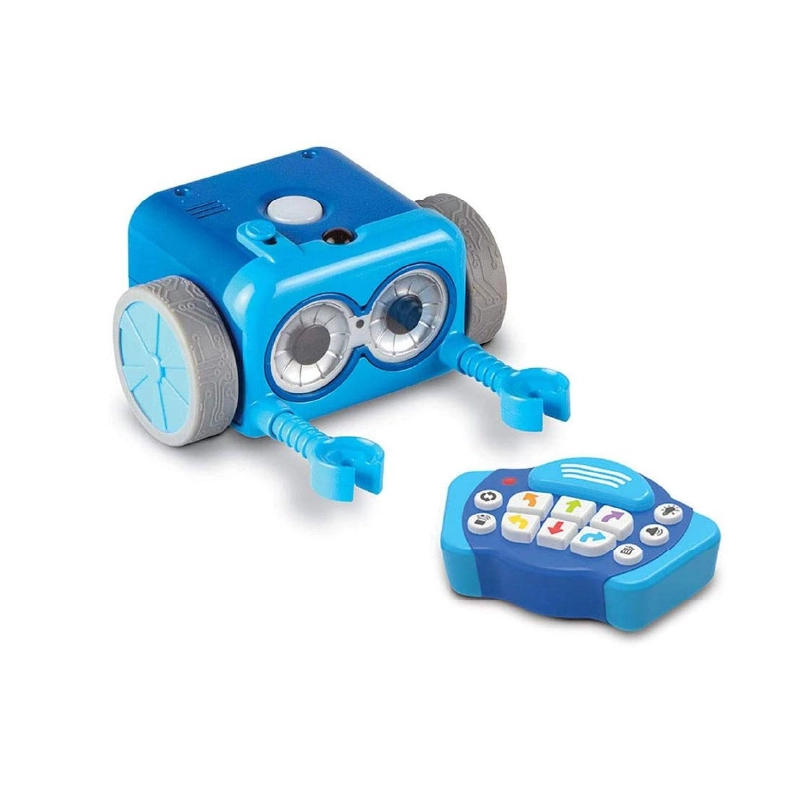
Teach children the foundations of digital thinking with screen-free coding kits, sequencing boards, and interactive programming activities. These toys help develop logical reasoning and support early digital literacy.
Engineering Toys
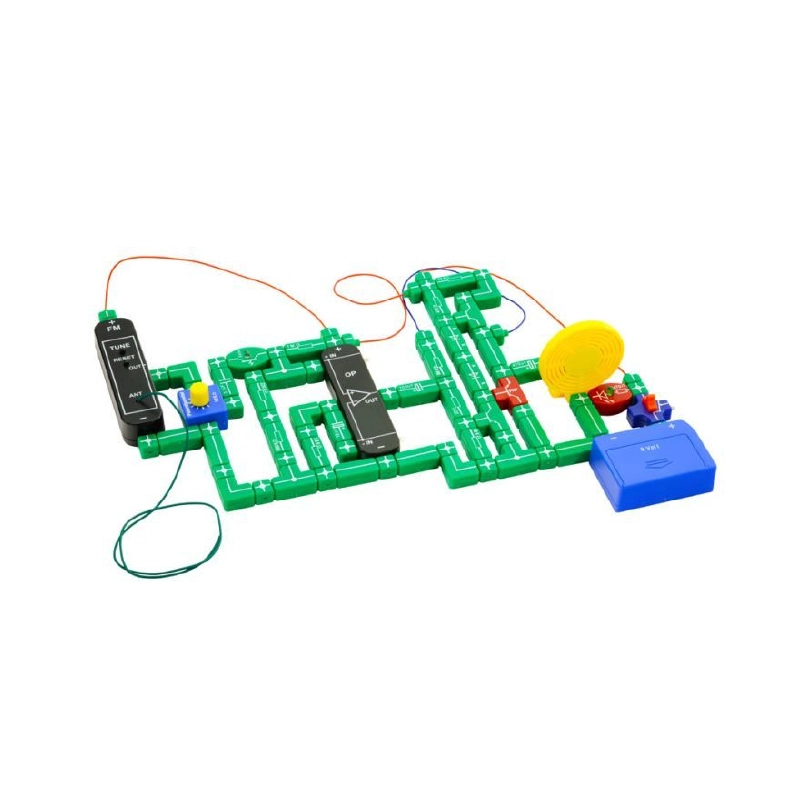
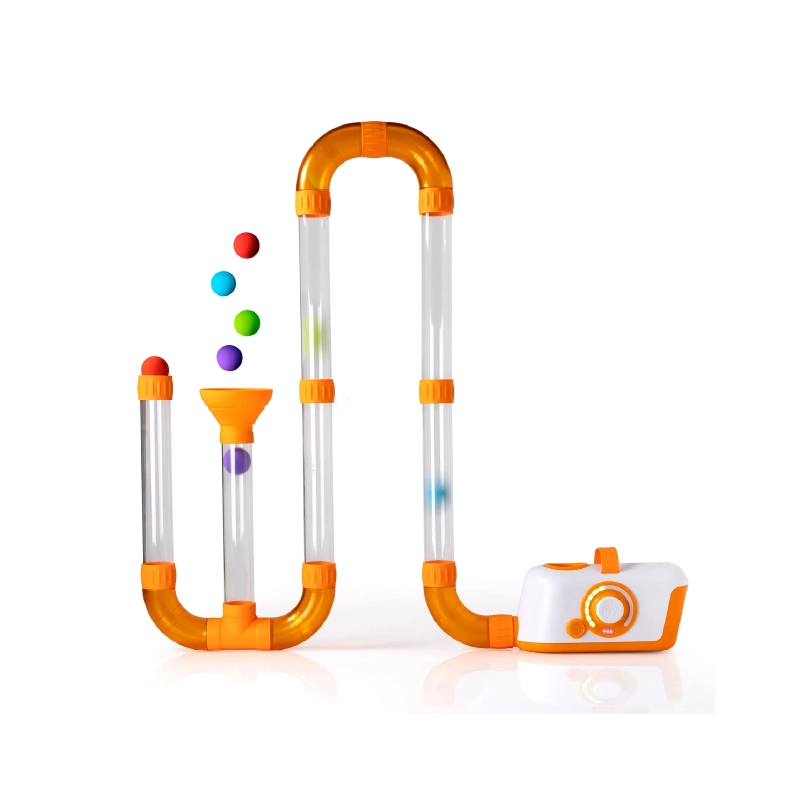
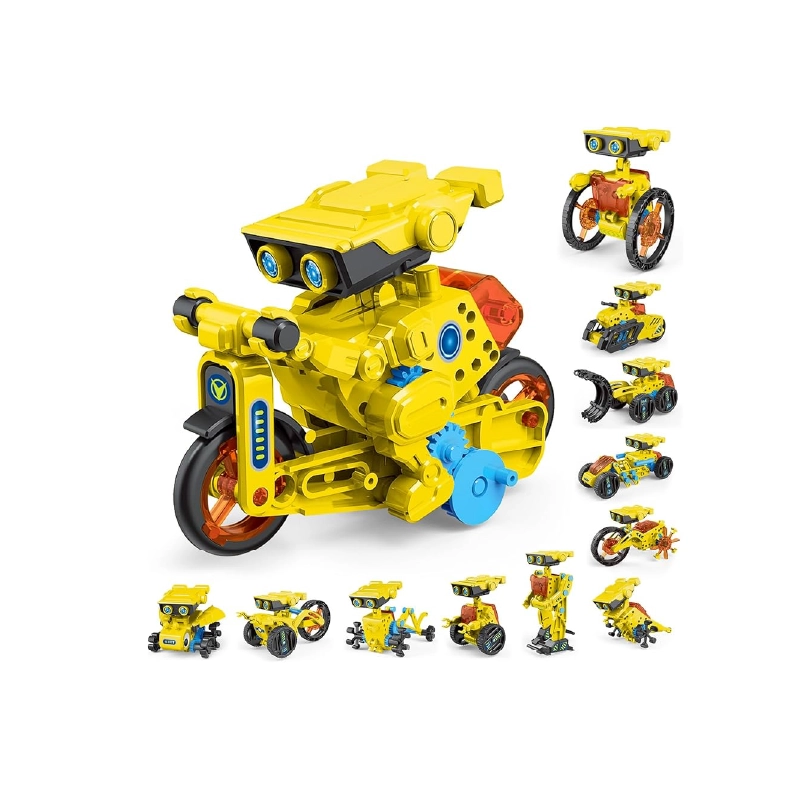
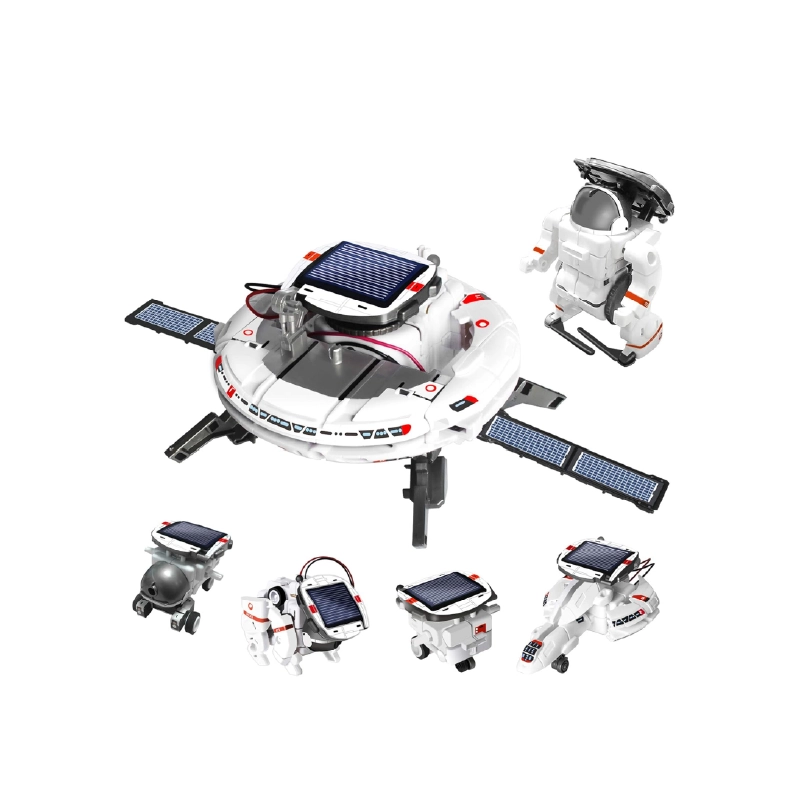
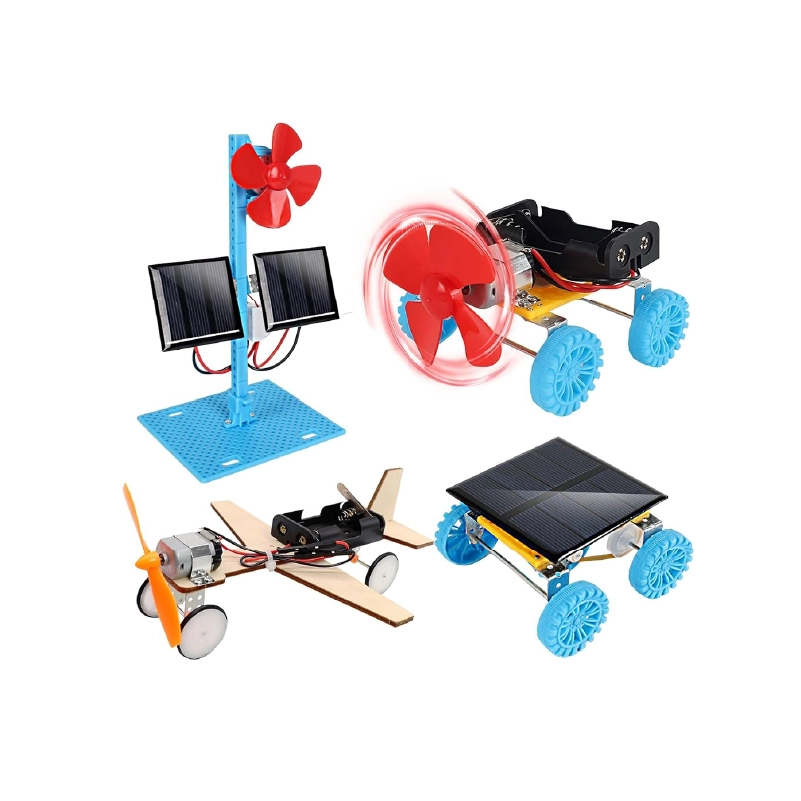
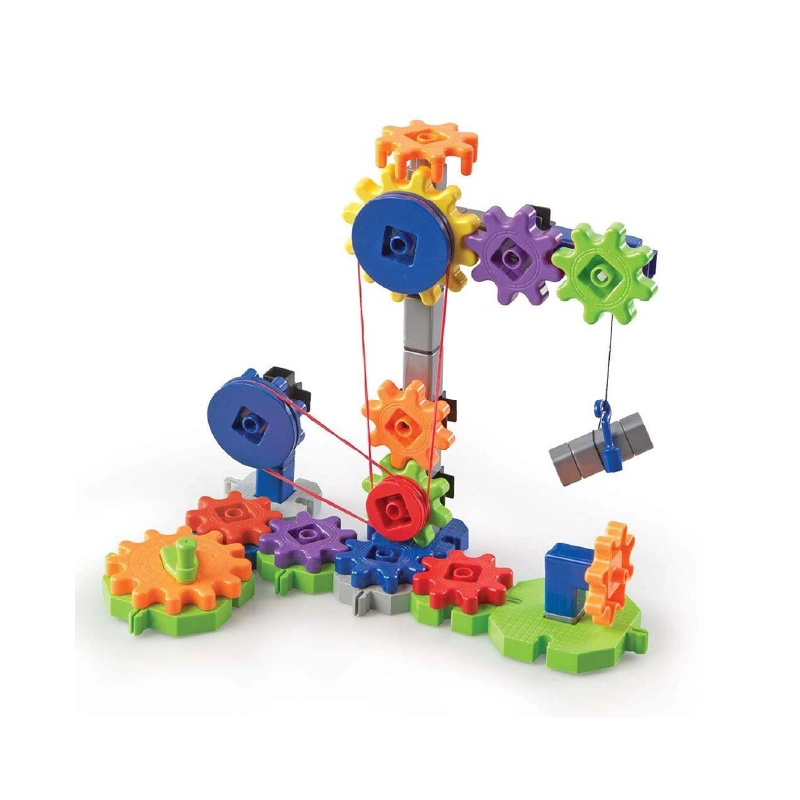
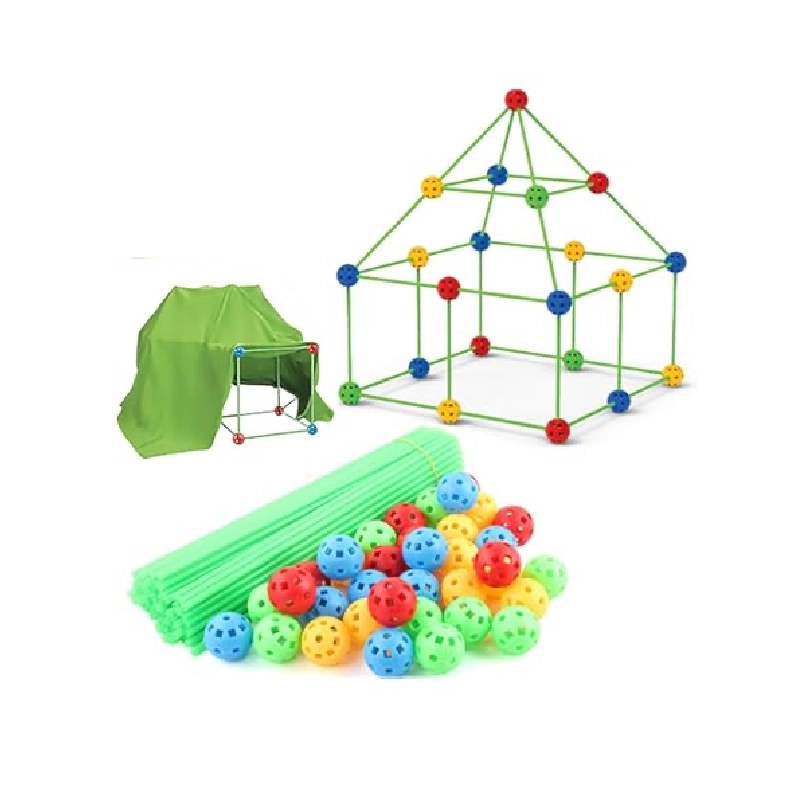
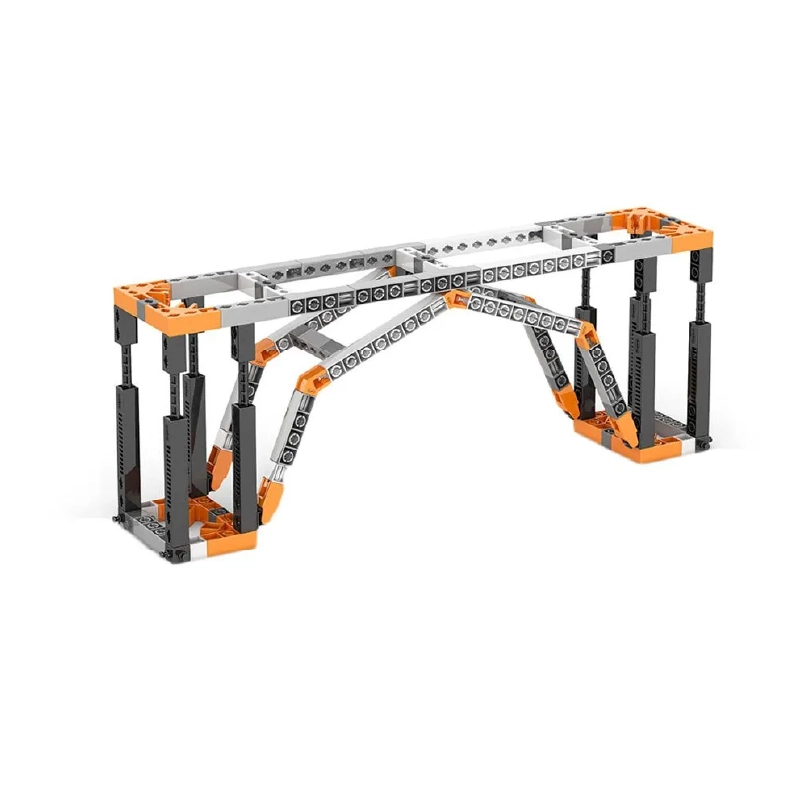
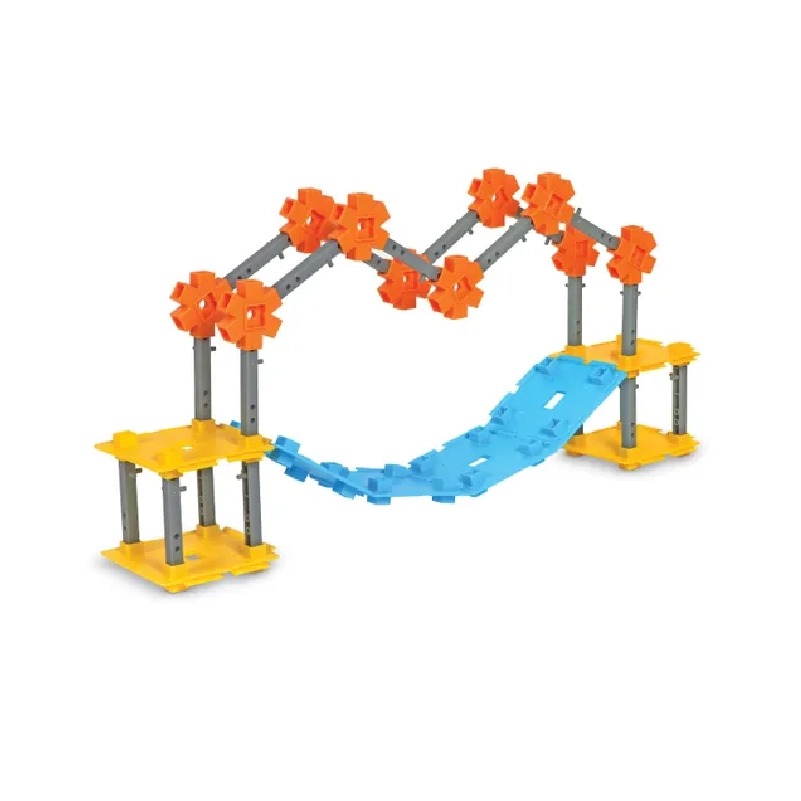
Encourage building and design through open-ended construction kits, gear systems, bridges, and pulleys. Engineering toys promote spatial thinking, creativity, and real problem-solving as children learn how things work.
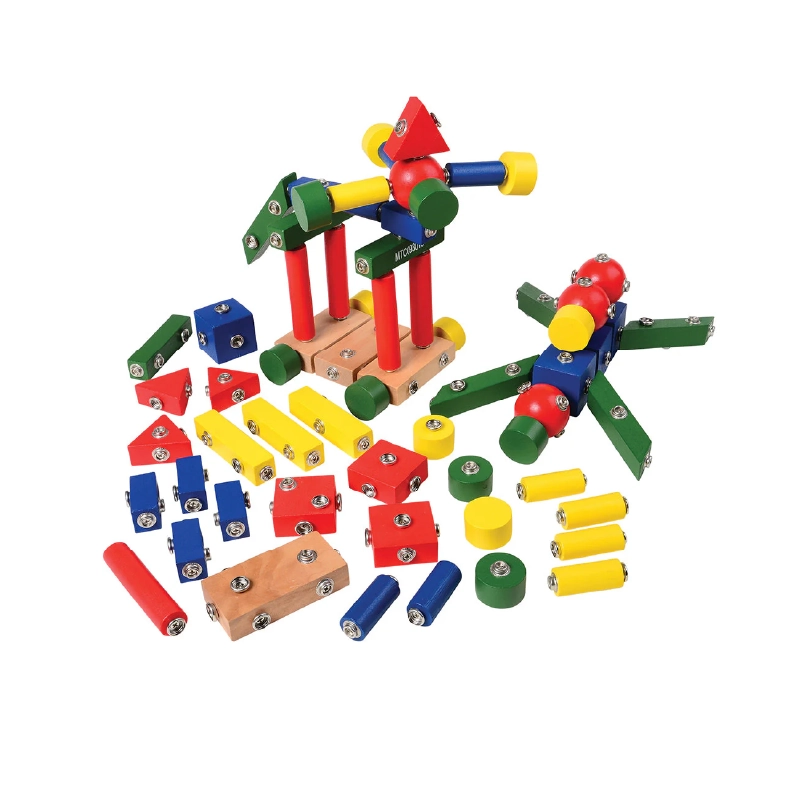
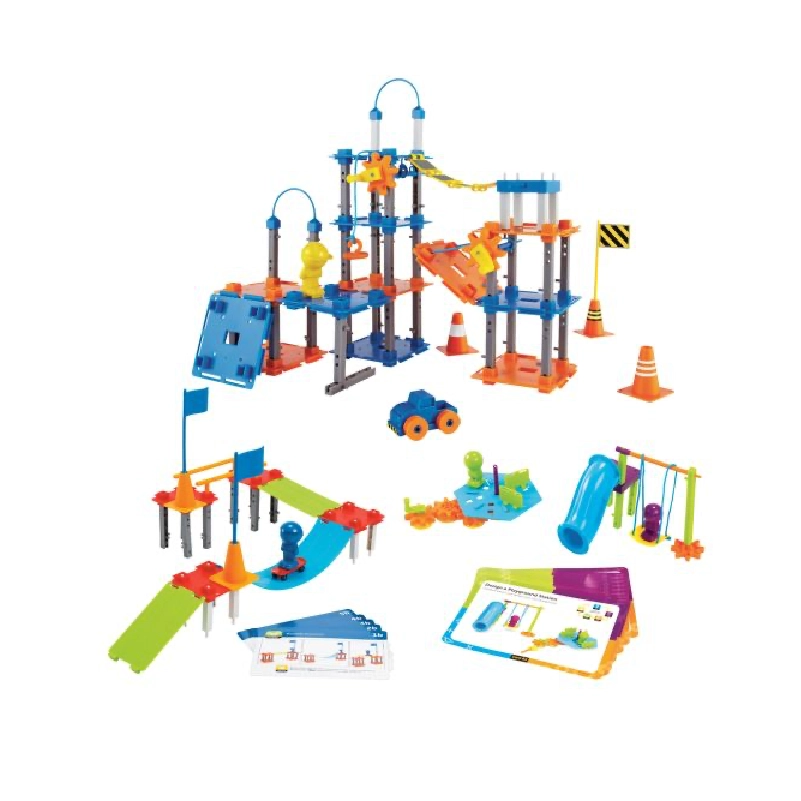
Math Toys
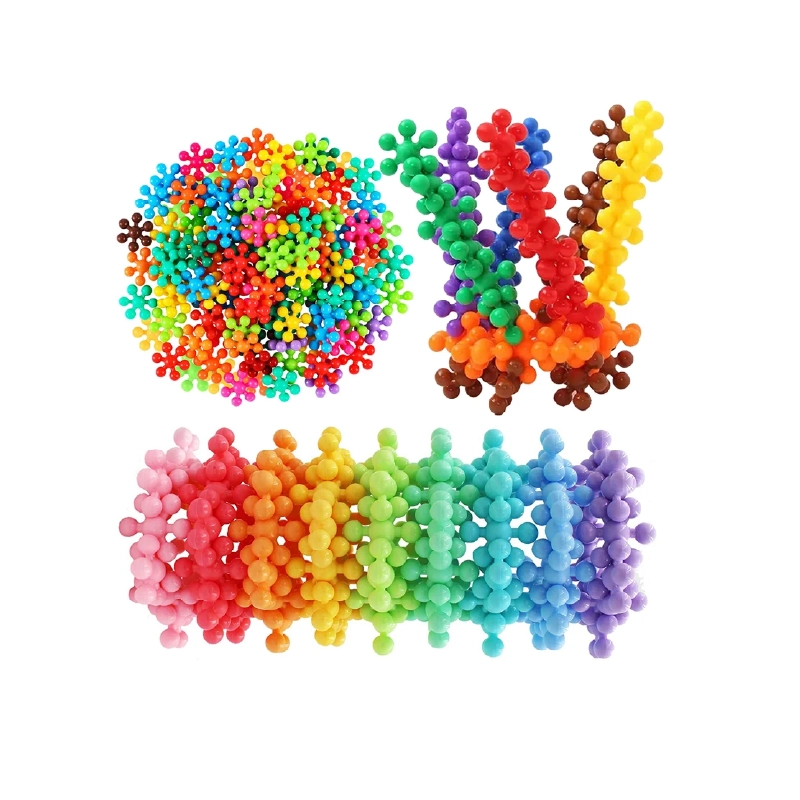
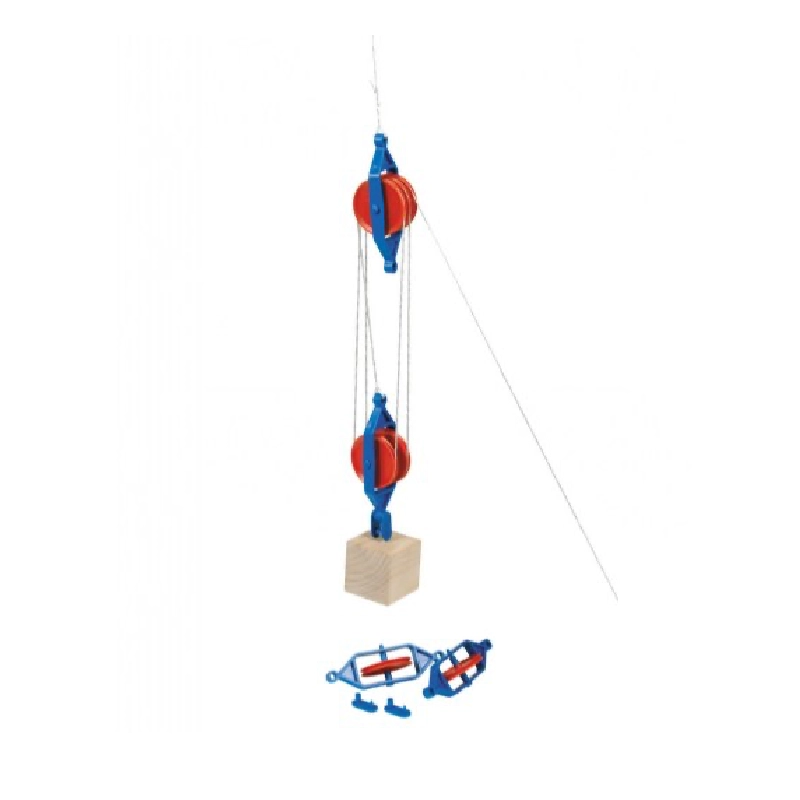
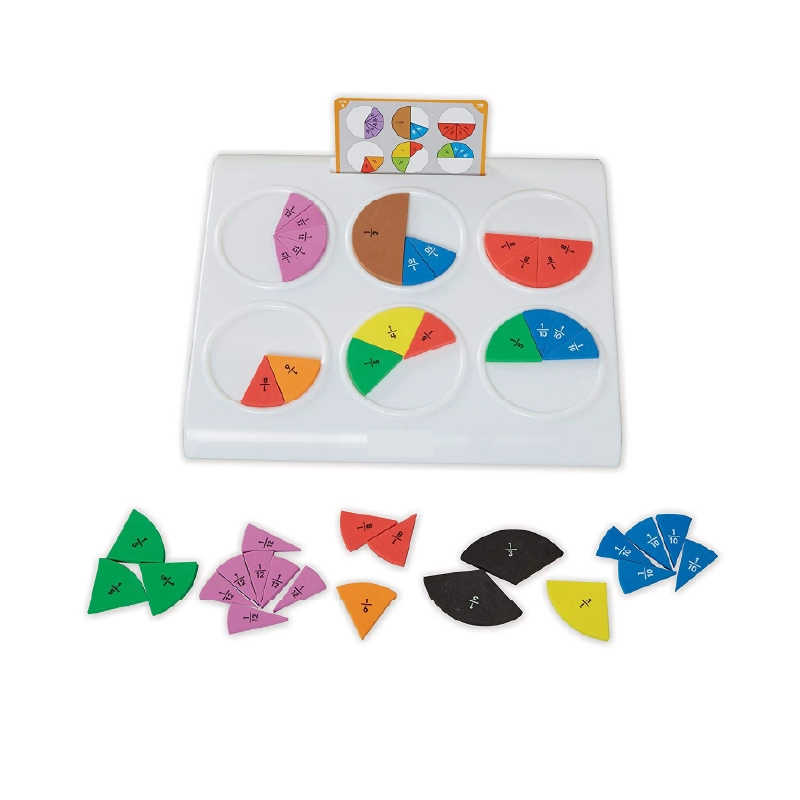
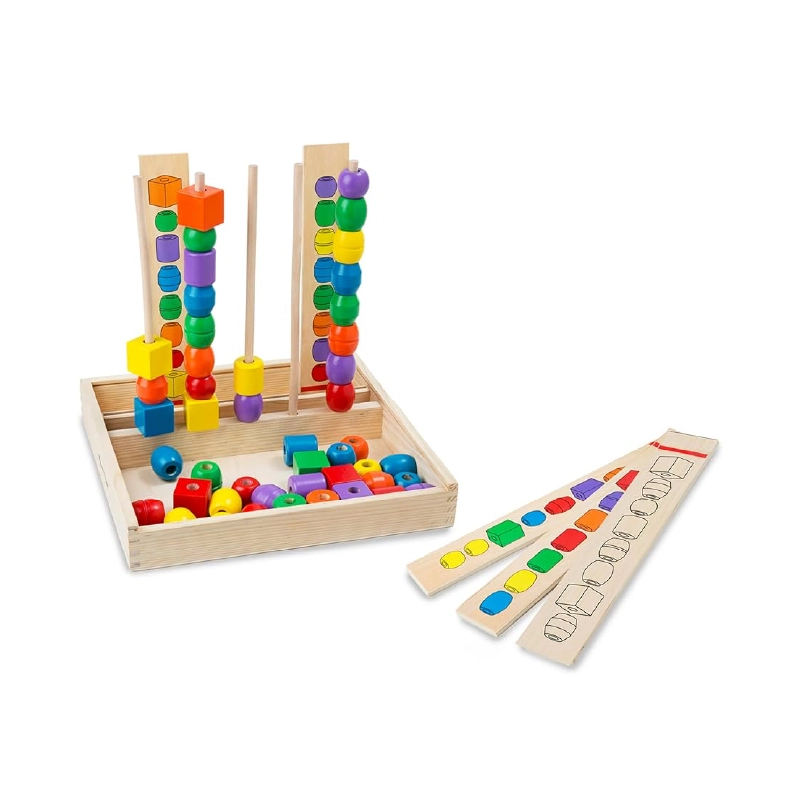
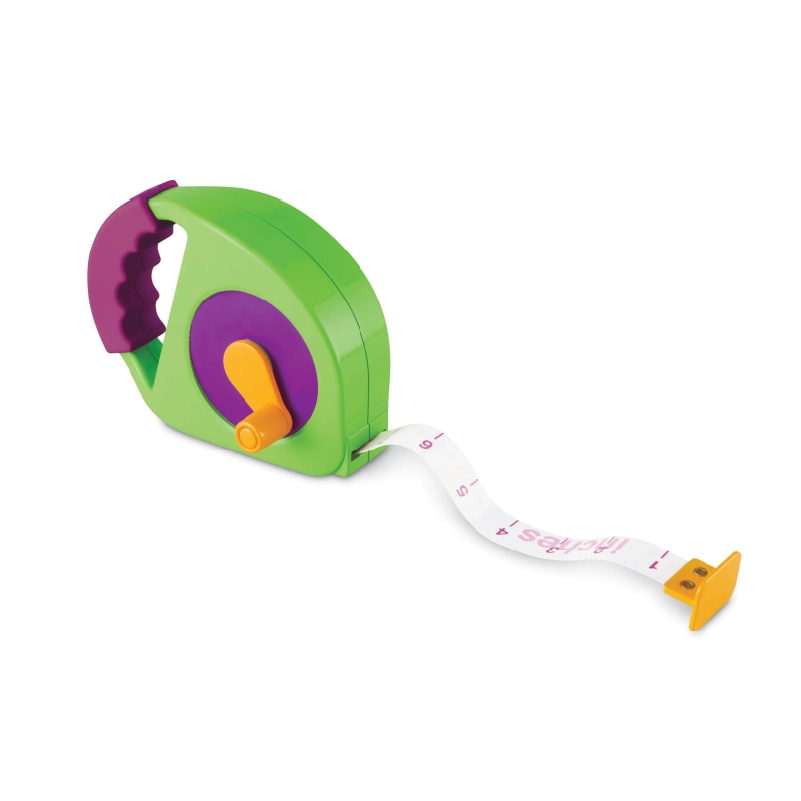
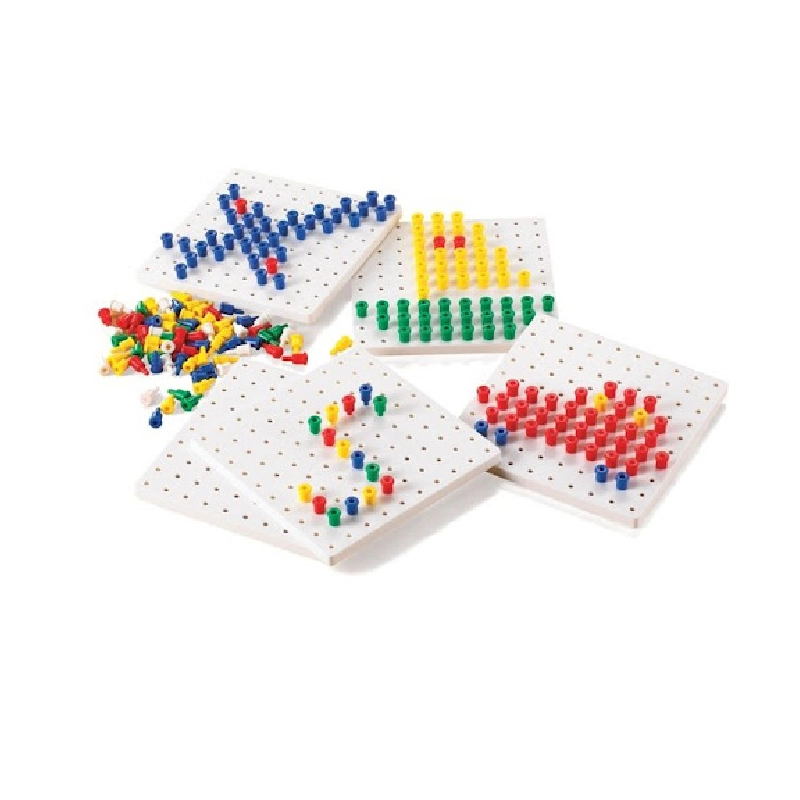
Support early math skills with counting tools, sorting games, geometric puzzles, and balance scales. These toys help children understand numbers, patterns, shapes, and measurements through hands-on learning.Let kids build and repair with working benches, hammers, screwdrivers, and nuts made from child-friendly wood. Each tool is scaled for preschoolers and encourages fine motor skills and problem-solving. Great for dramatic play corners and early STEM-themed activities.
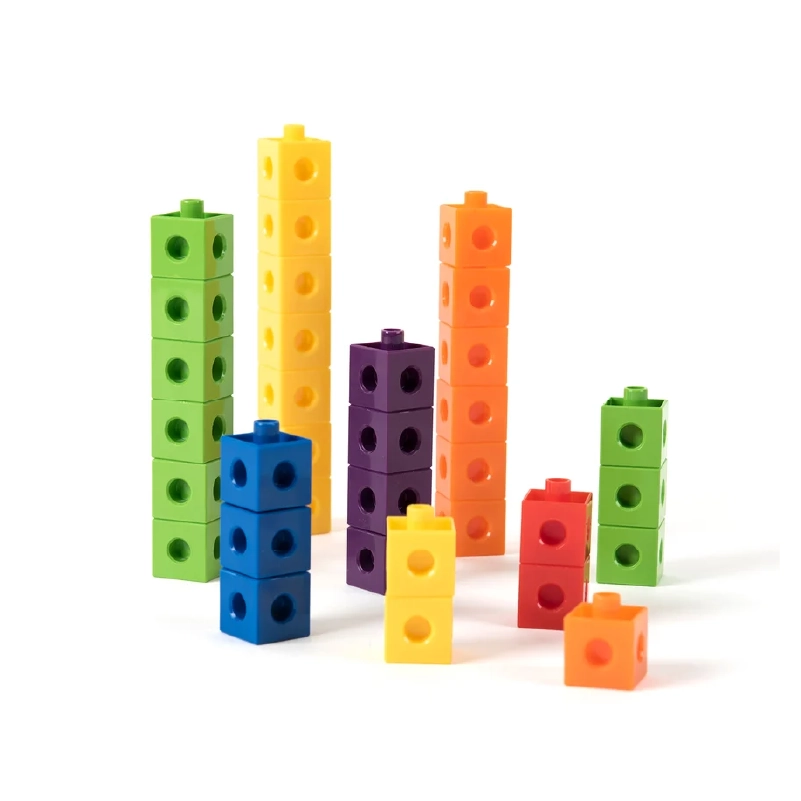
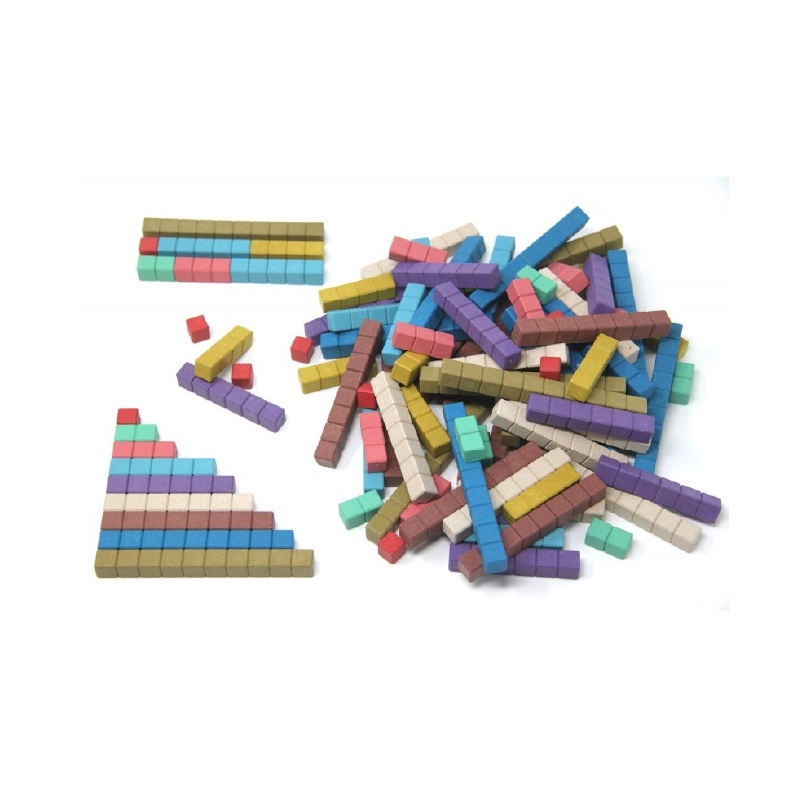
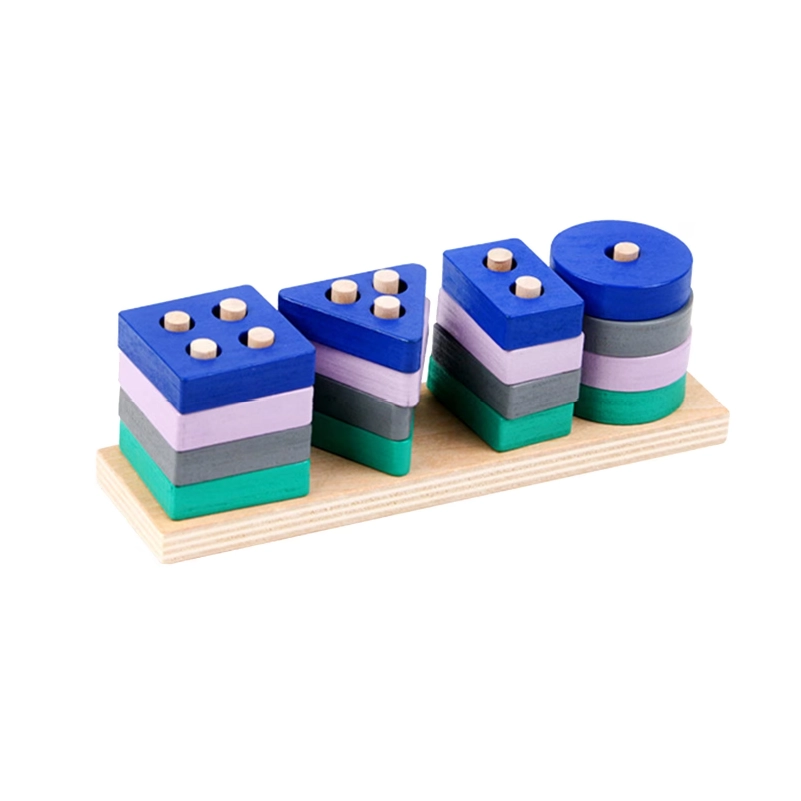
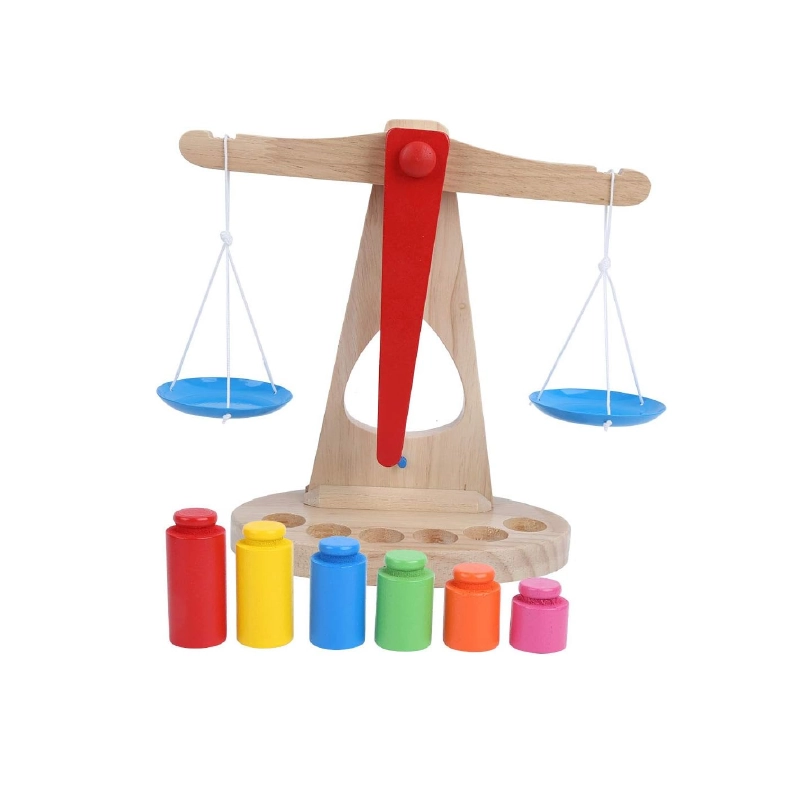
Trusted STEM Toys Manufacturer & Supplier for Quality Early Learning
As a specialized STEM Toys manufacturer and supplier, we focus on creating safe, durable, and education-driven products tailored for preschool and early learning environments. Our product design supports essential early development goals including hands-on engagement, fine motor skills, logical thinking, and early scientific exploration.
We work closely with educators and learning centers to provide complete support through product customization, multi-age learning kit development, and classroom layout planning. Every toy is made using safe, child-friendly materials and built to withstand active daily use. All items meet international safety standards, making us a reliable partner in creating purposeful STEM spaces for kids.
Premium Raw Materials Used in Our STEM Toys
All our STEM Toys are manufactured using high-quality raw materials selected for safety, durability, and environmental responsibility. These materials ensure every product meets the demands of early childhood education while supporting safe, interactive learning. All materials used in our STEM Toys comply with international safety standards, including EN71 and ASTM, ensuring a safe and enriching experience for children. Below are the key raw materials we use in the production of our STEM Toys:
-
Natural Solid Wood Responsibly sourced hardwoods like beech and birch, known for strength, smooth finish, and non-toxic properties.
-
ABS Plastic A tough, impact-resistant plastic commonly used in children’s toys, offering excellent safety and durability.
-
PP (Polypropylene) Lightweight, food-safe plastic used in components that require flexibility and easy cleaning.
-
TPE (Thermoplastic Elastomer) A soft, rubber-like material ideal for ergonomic toy parts and sensory play elements.
-
Safe Magnets Encased rare-earth or ferrite magnets used in building and logic-based STEM toys, tested for safety compliance.
-
Water-Based Paints & Coatings Non-toxic, odor-free coatings that ensure vibrant colors without harmful chemicals.
Recommended STEM Toys by Age Group
STEM learning begins in early childhood through simple, hands-on exploration. Choosing toys that match each developmental stage ensures children build foundational skills in science, technology, engineering, and math in ways that feel natural and meaningful.

Children in this stage learn through sensory play, movement, and repetition. STEM Toys should focus on tactile discovery, basic recognition, and introducing simple cause-and-effect relationships.
- Stacking rings and nesting cups
- Shape sorters
- Magnetic building tiles
- Water play sets with cups and funnels

Kids are now developing pattern recognition, logic, and fine motor coordination. STEM Toys can introduce basic science, math, and engineering ideas through open-ended and guided activities.
- Gear and pulley sets
- Balance scales with weights
- Counting and matching blocks
- Weather and nature observation kits

Children begin to explore structured logic, teamwork, and early experimentation. STEM Toys should support step-by-step learning, early problem-solving, and collaborative play.
- Snap circuits and basic electronics kits
- Simple coding boards or path games
- Engineering construction sets
- Math puzzles and pattern beads

Kids at this age are ready for more advanced challenges and real-world applications. STEM Toys can focus on systems thinking, creativity, and multi-step problem-solving.
- Programmable robots
- STEM challenge kits (bridges, towers, machines)
- Circuit systems with switches and sensors
- Environmental science kits with tools
How to Choose the Right STEM Toys
Finding the right STEM Toys requires considering more than just the subject area. A thoughtful selection ensures the toy is not only educational but also age-appropriate, safe, and well-suited to capture the interest of young learners. Here are the key factors to consider:
Age and Skill Level
Different age groups require different types of toys. Younger children benefit from tactile, open-ended materials, while older learners can handle structured kits or programmable sets. Always match the complexity of the toy to the child’s current developmental stage to avoid frustration or disengagement.
Educational Focus
Every STEM toy should support a clear learning goal, whether it involves understanding circuits, practicing measurement, or recognizing patterns. The best toys integrate educational content naturally into play, helping children develop essential skills without feeling like they are doing schoolwork.
Real-World Application
Toys that reflect real-life scenarios help children see the relevance of STEM in everyday life. Whether it’s building a bridge, programming a path, or growing a plant, these experiences deepen understanding and foster critical thinking.
Diversity and Inclusion
Inclusive STEM Toys feature diverse characters, adaptable formats, and open-ended challenges that welcome all learners. Representation and accessibility in play materials support confidence and engagement among children from various backgrounds and ability levels.
Interaction and Social Play
STEM learning doesn’t have to be a solo activity. Toys that encourage teamwork, role-play, or cooperative building support social development alongside cognitive skills. These interactions also help children explain their thinking and learn from one another.
Safety and Quality
Especially for early learners, STEM Toys must be made from child-safe materials and meet international safety standards. Durable construction ensures they can withstand repeated use in busy classrooms or home settings, while high-quality design enhances the learning experience.
How to Get Kids Excited About STEM
Getting children interested in STEM starts with making learning feel like play. The right STEM Toys can spark curiosity and inspire kids to explore new ideas with confidence and creativity. Here are some simple ways to make STEM enjoyable and effective:
- Make it hands-on
Choose STEM Toys that involve building, experimenting, or solving problems. Activities like constructing models, testing forces, or connecting circuits keep kids focused and help them understand concepts through direct experience. - Connect with their interests
If a child loves art, try toys that combine design and engineering. If they enjoy exploring nature, offer science tools that turn outdoor play into real observation and discovery. - Fördern Sie offenes Spielen
STEM is not about one right answer. Toys that allow multiple ways to build or explore support creativity, critical thinking, and confidence. - Celebrate progress
Recognize small achievements, whether it’s completing a simple experiment or building a functional structure. Encouragement helps kids stay motivated and excited to learn more. - Relate to everyday life
Show how STEM is part of the world around them. Then, use toys to recreate and explore those ideas at home or in the classroom.
Q&A
Here are some common questions parents and educators ask when selecting STEM Toys for early learning environments.
A: Children can begin exploring STEM Toys as early as two or three years old. At this stage, simple toys that involve stacking, sorting, pouring, or observing help introduce early concepts in science, math, and engineering through play.
A: STEM Toys support early development by encouraging hands-on learning, problem solving, and curiosity. They help children develop fine motor skills, logical thinking, pattern recognition, and an understanding of cause and effect, all of which are important foundations for future learning.
A: Most STEM Toys are designed to be gender neutral and focus on open-ended exploration. Some toys include diverse themes, characters, or activities to better engage different interests. The most important factor is choosing toys that match a child’s curiosity and learning style, regardless of gender.
A: High-quality STEM Toys are made from child-safe materials and meet international safety standards. Always choose toys designed for the appropriate age group and suitable for early learning environments.