Giocattoli da costruzione

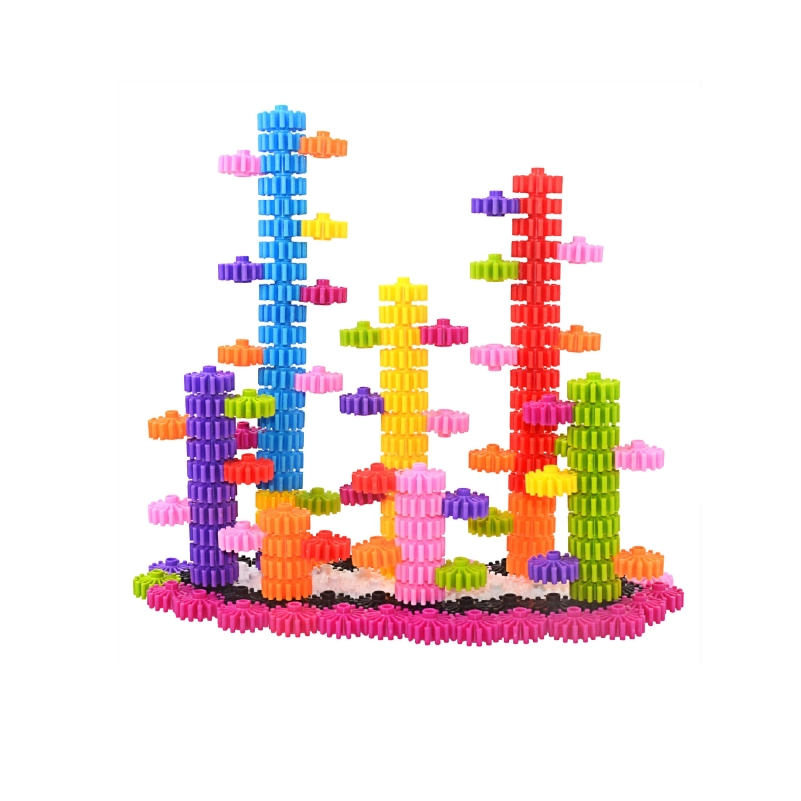
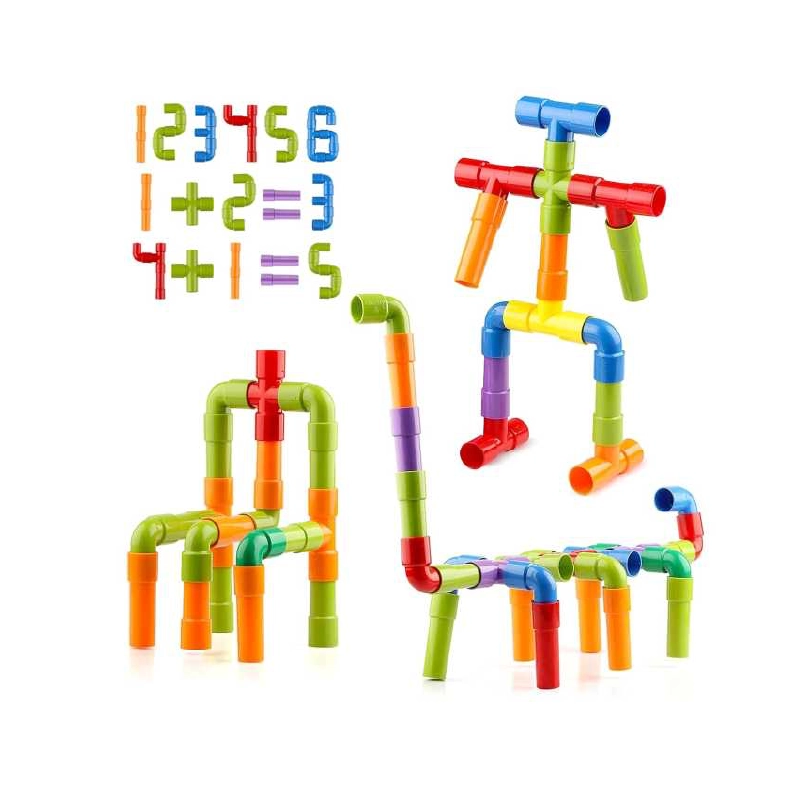
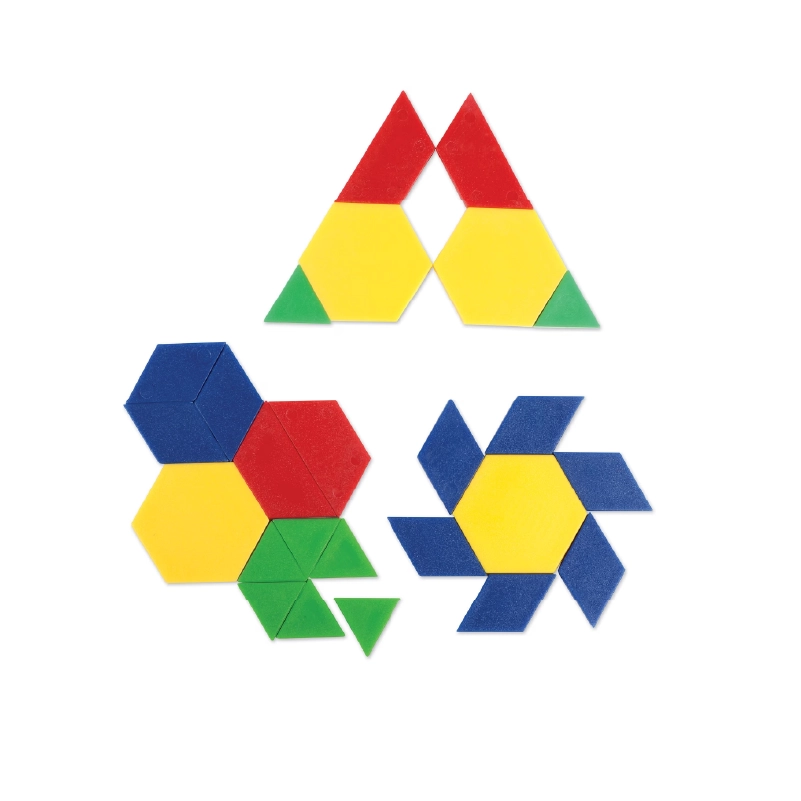
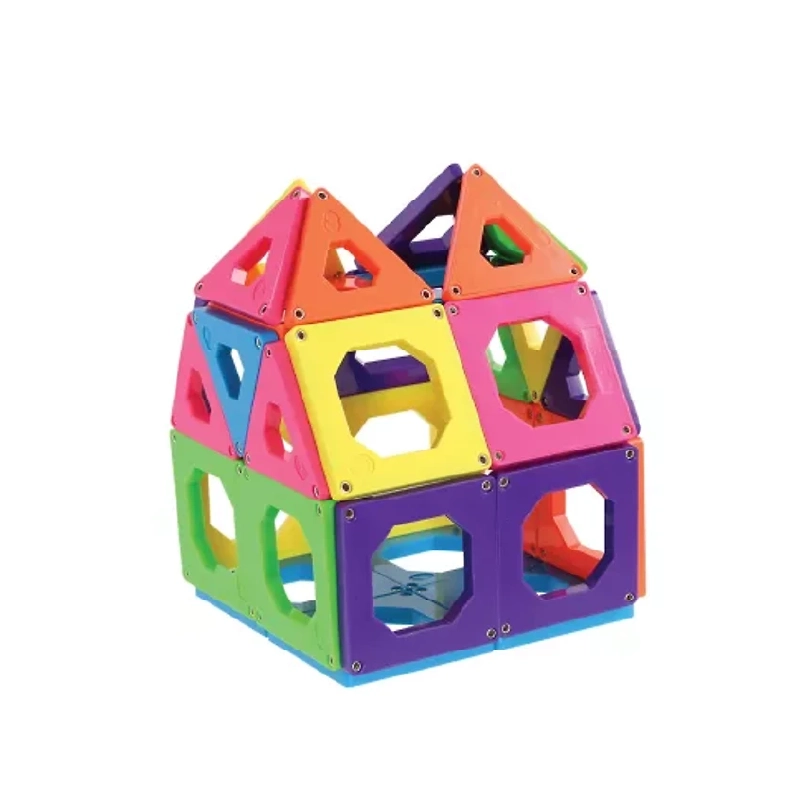
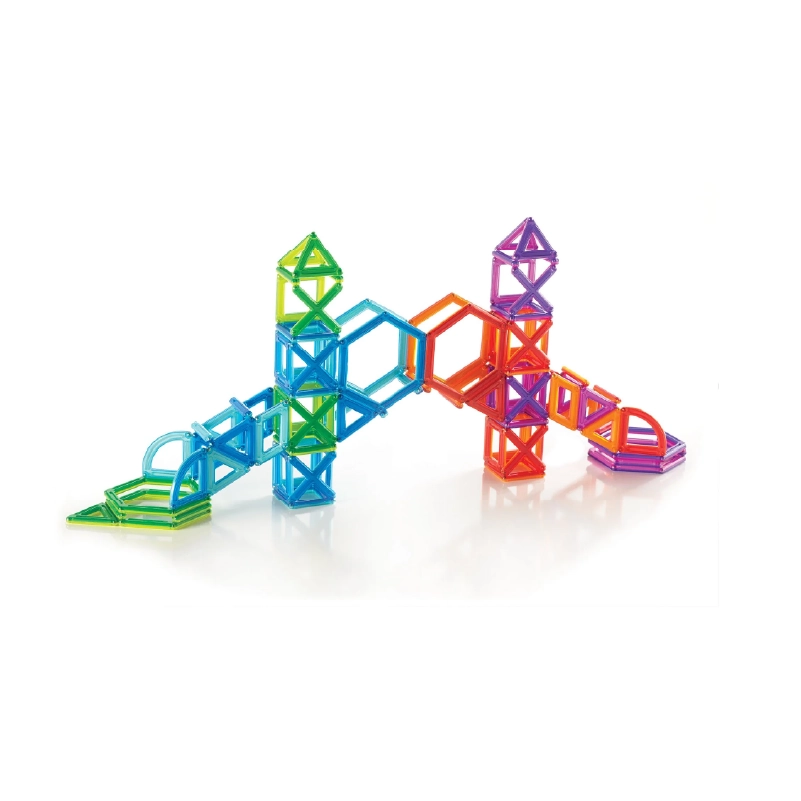
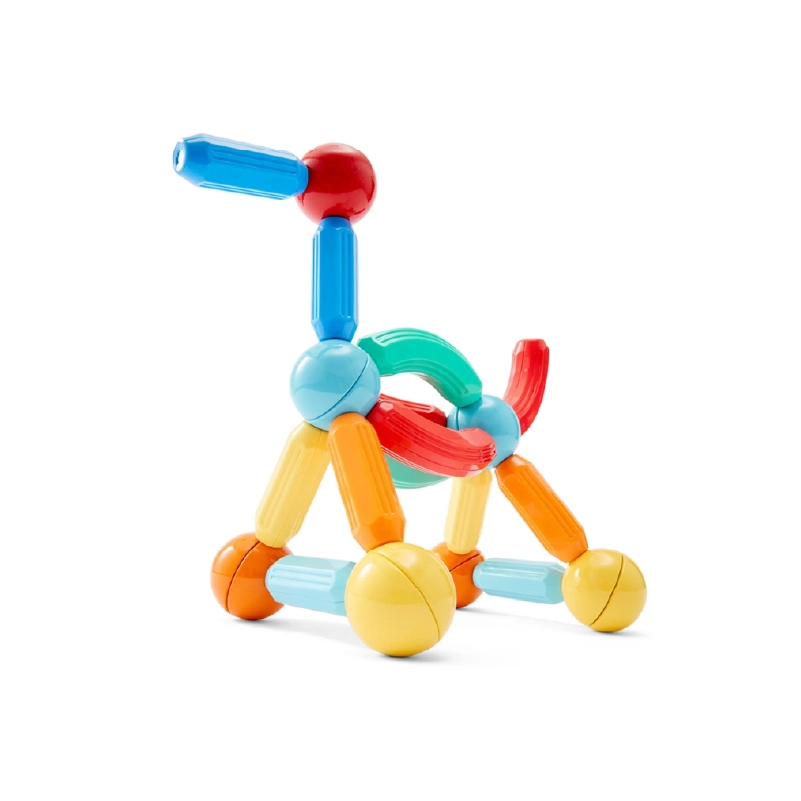
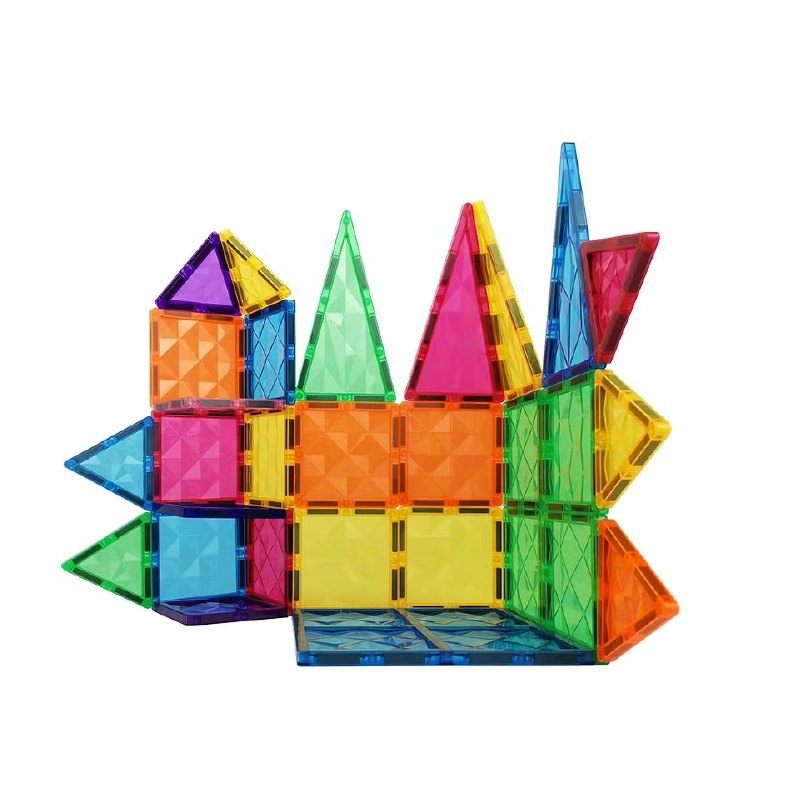
Construction toys offer children endless opportunities for creative building and hands-on exploration in the preschool classroom. These toys include building blocks, connecting sets, magnetic tiles, gears, and other open-ended materials that encourage problem-solving, spatial thinking, and teamwork. With construction toys, children can experiment, design, and build their own structures while developing fine motor skills and early STEM concepts. A variety of shapes, sizes, and materials makes it easy to find the perfect construction toys for every classroom activity area.

Giocattoli da costruzione

Types and Styles of Construction Toys for Every Learning Space

Construction Toys come in a variety of formats that easily adapt to different preschool environments. Their flexible design supports everything from small-group activities to large collaborative spaces, making them ideal for diverse teaching setups. Whether used in quiet corners or active learning zones, they help educators create balanced, engaging classroom layouts.

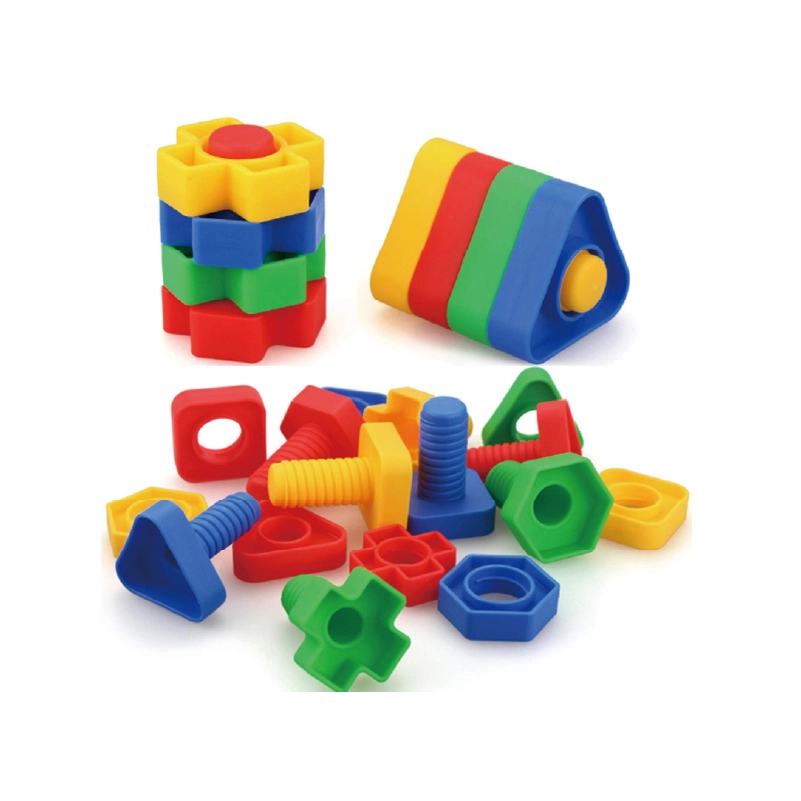
Blocchi di costruzione

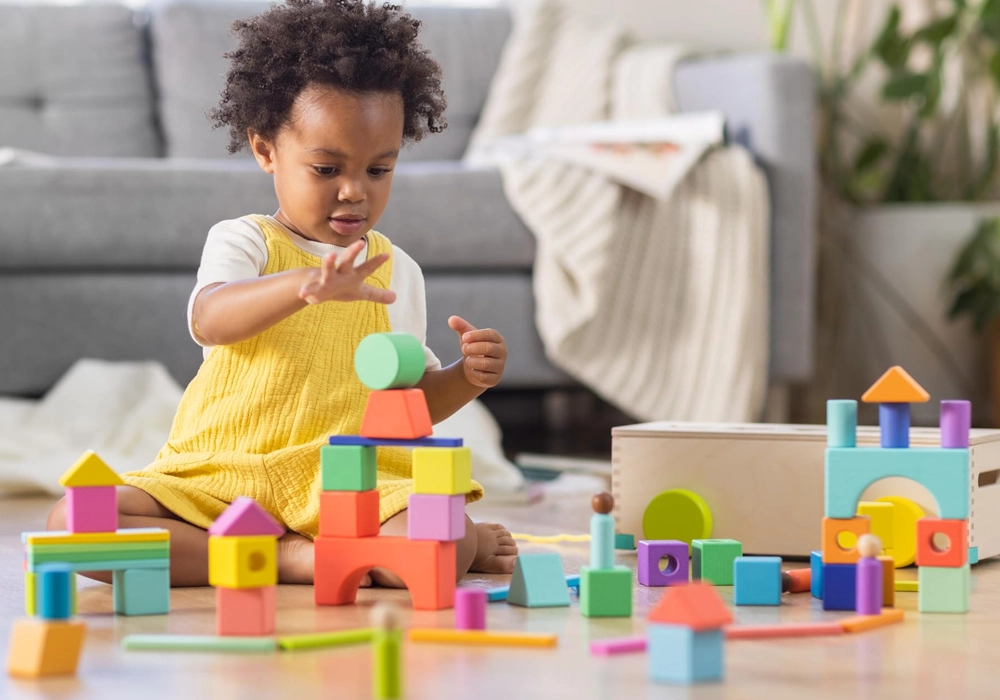
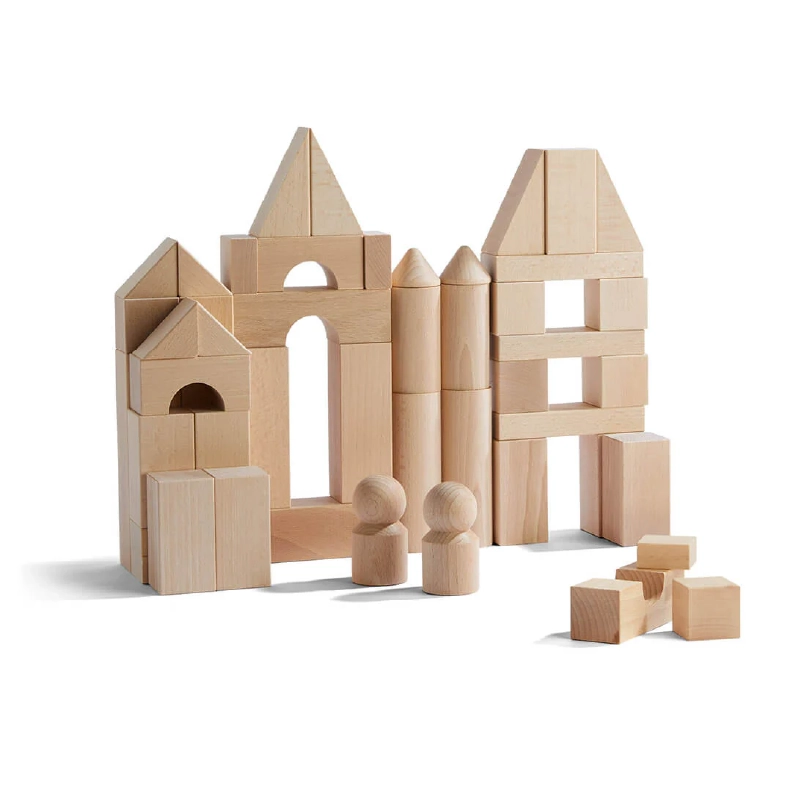
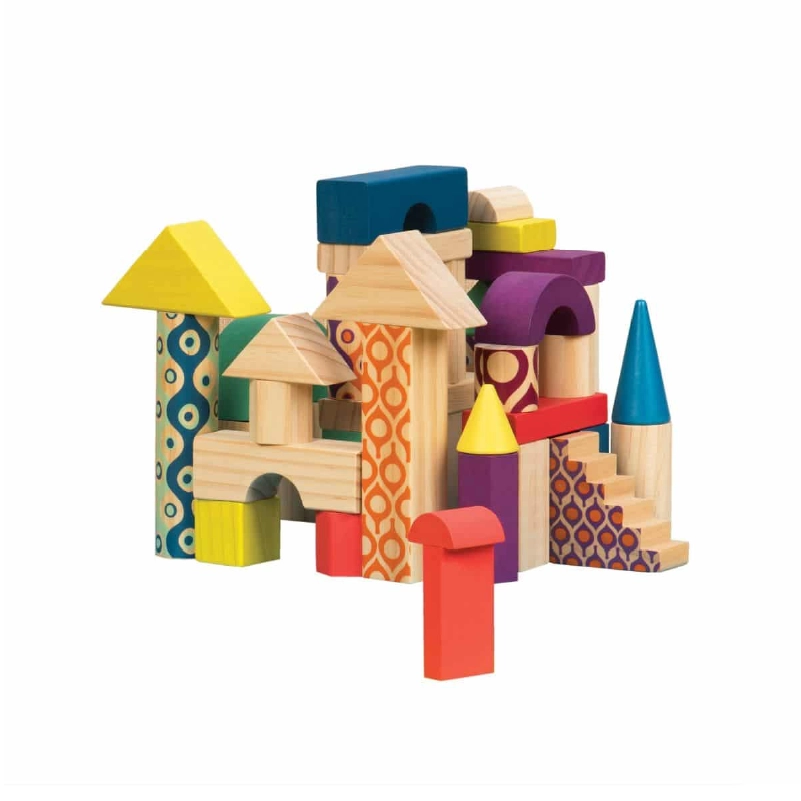
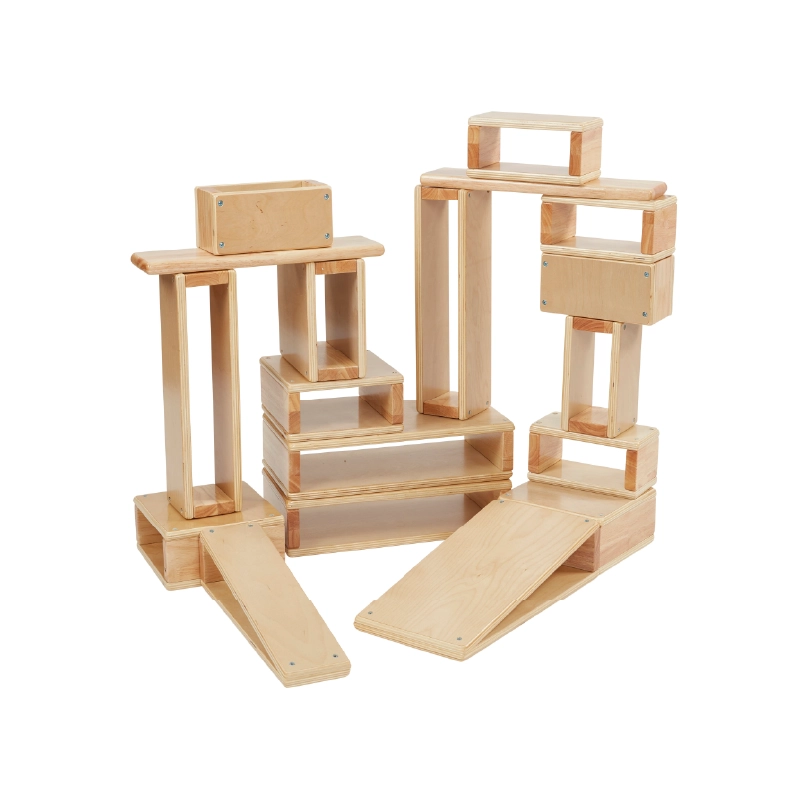
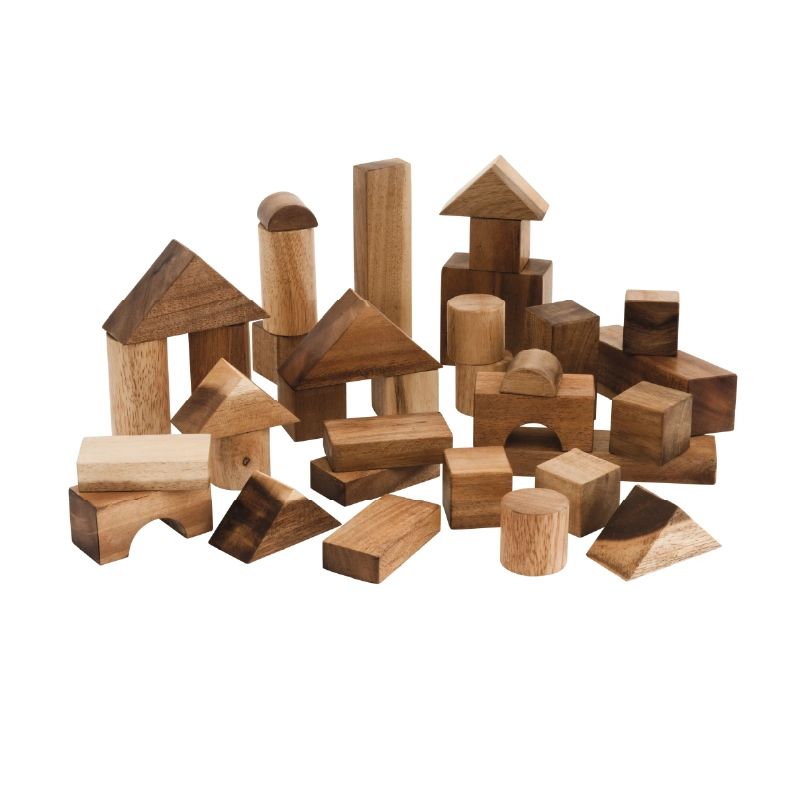
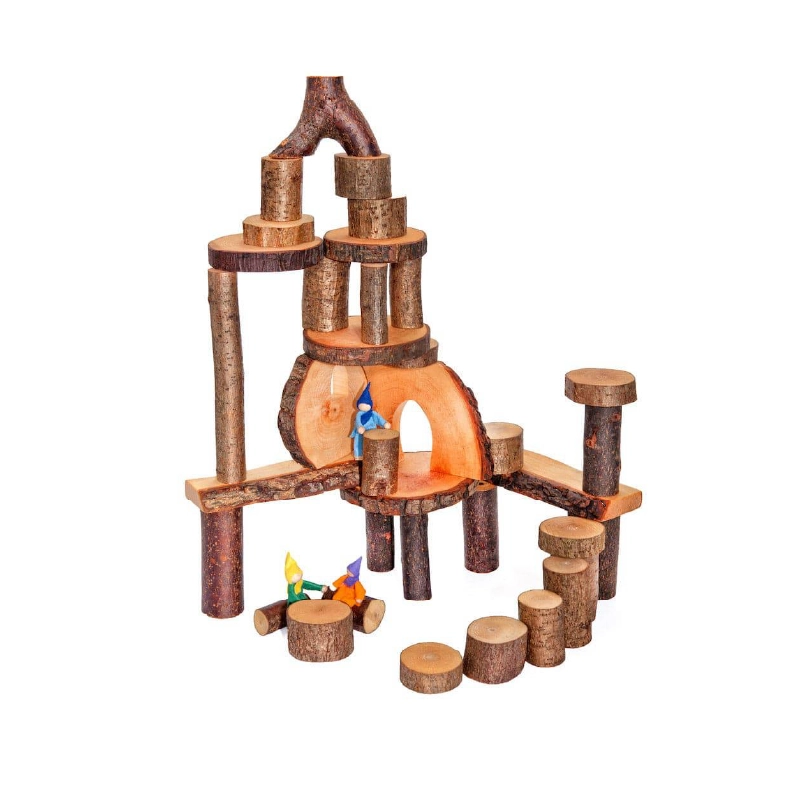
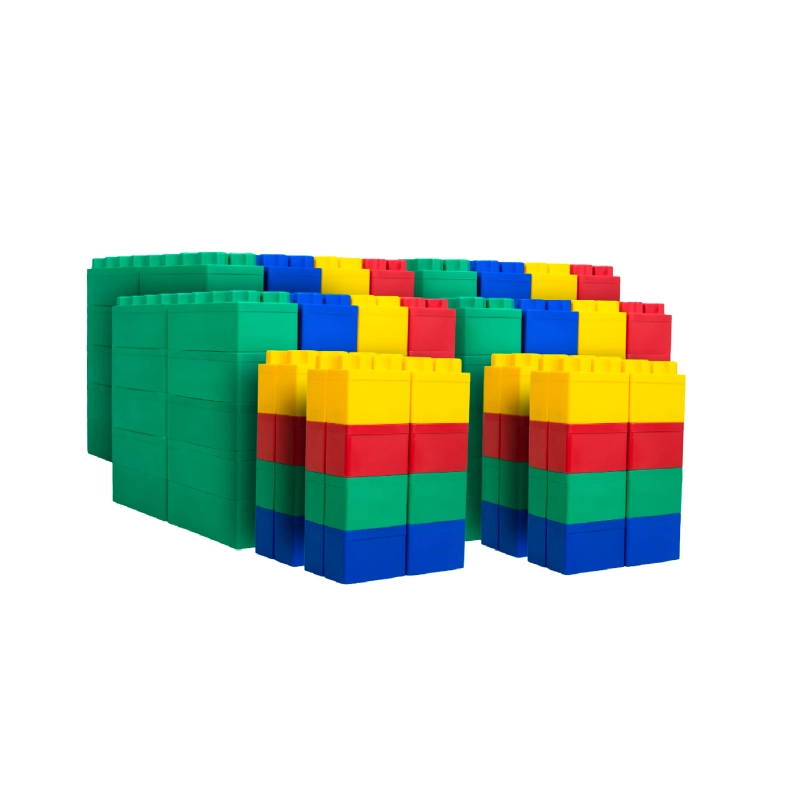
Building blocks are a core category of Construction Toys, widely used in early childhood classrooms for hands-on building and open-ended play. They help children develop coordination, spatial understanding, and creative thinking through stacking and assembling. This category includes both traditional solid blocks and magnetic-based systems, giving educators flexible options for different learning environments.

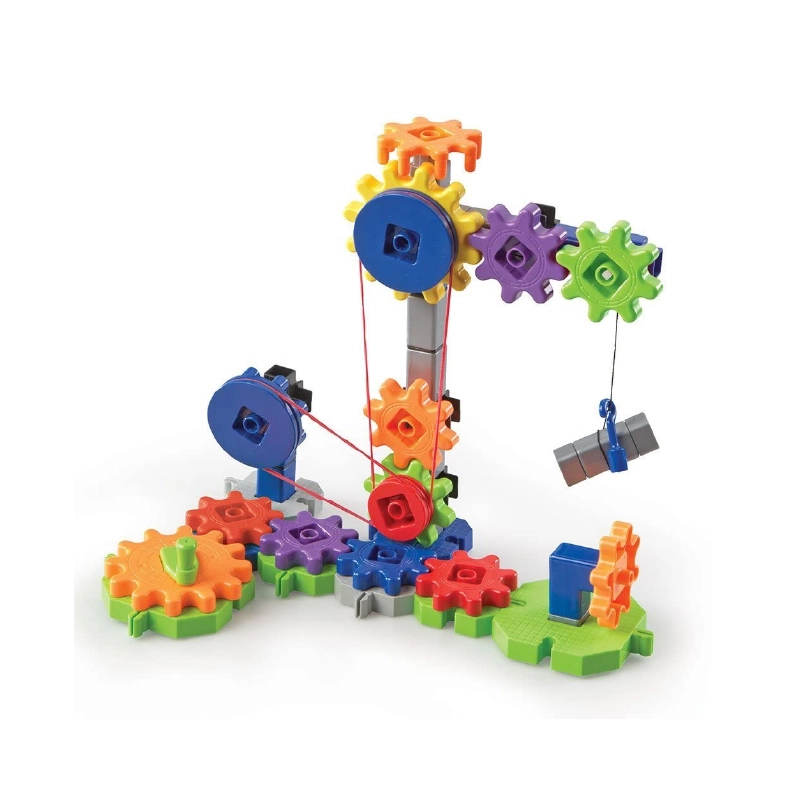
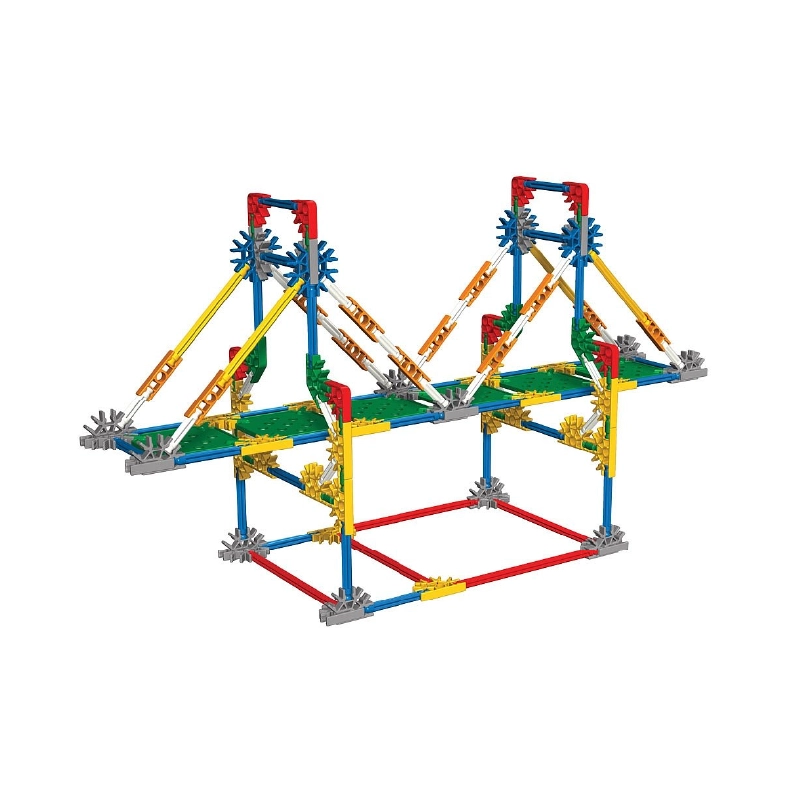
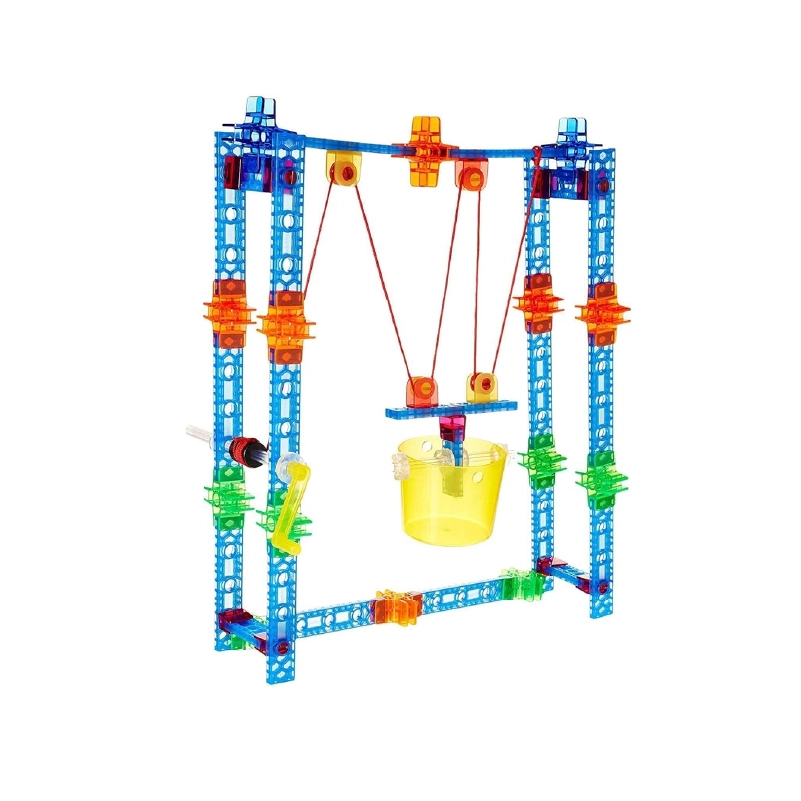
Engineering & Mechanical Sets

Engineering and mechanical sets introduce basic mechanical principles, tools, and construction logic. As a category of Construction Toys, they help children develop problem-solving, sequencing, and early STEM-related thinking through model-building activities.

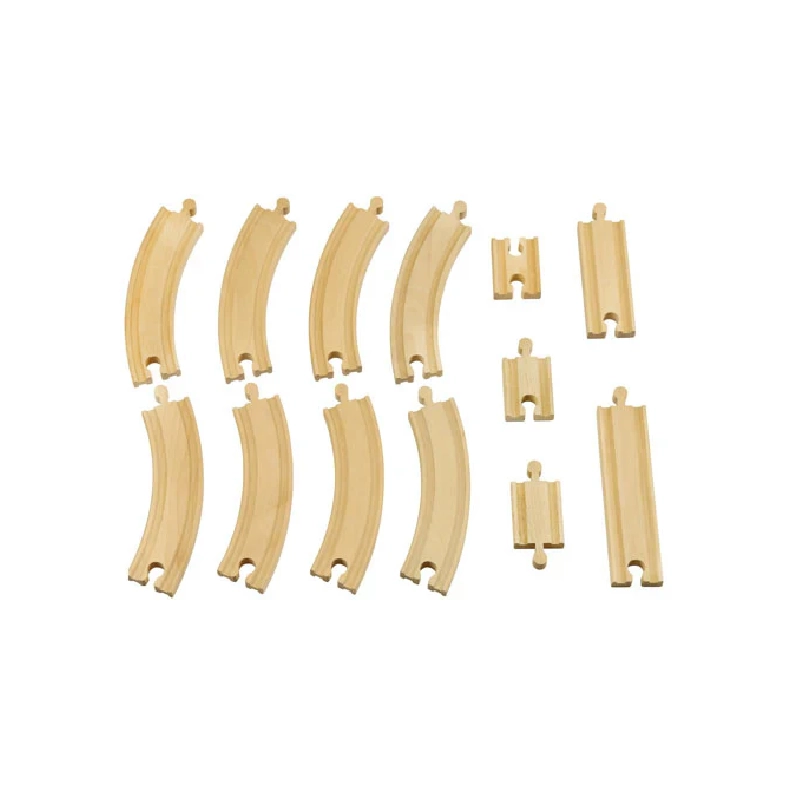
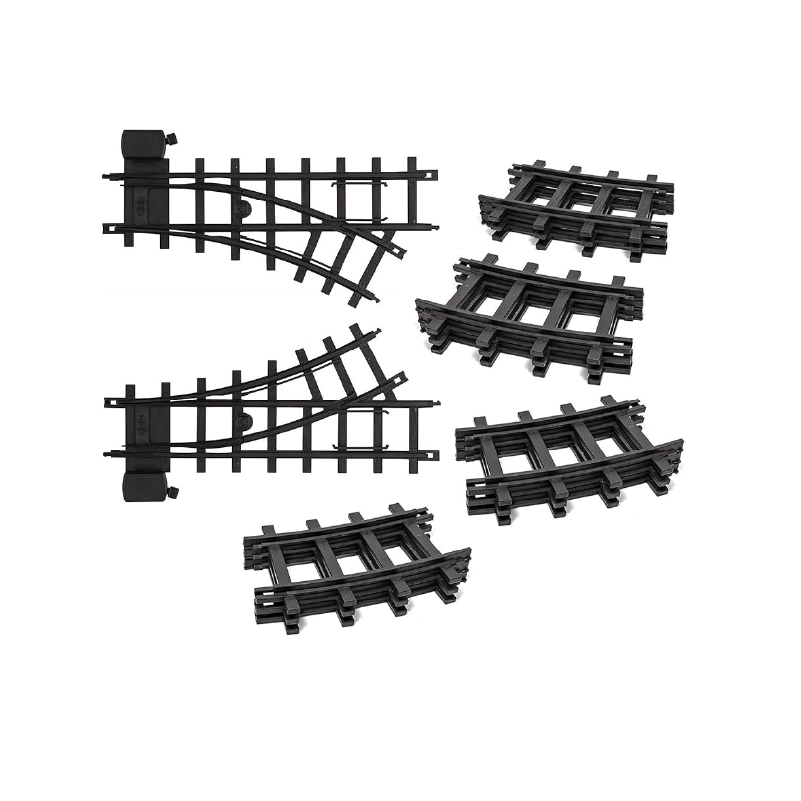
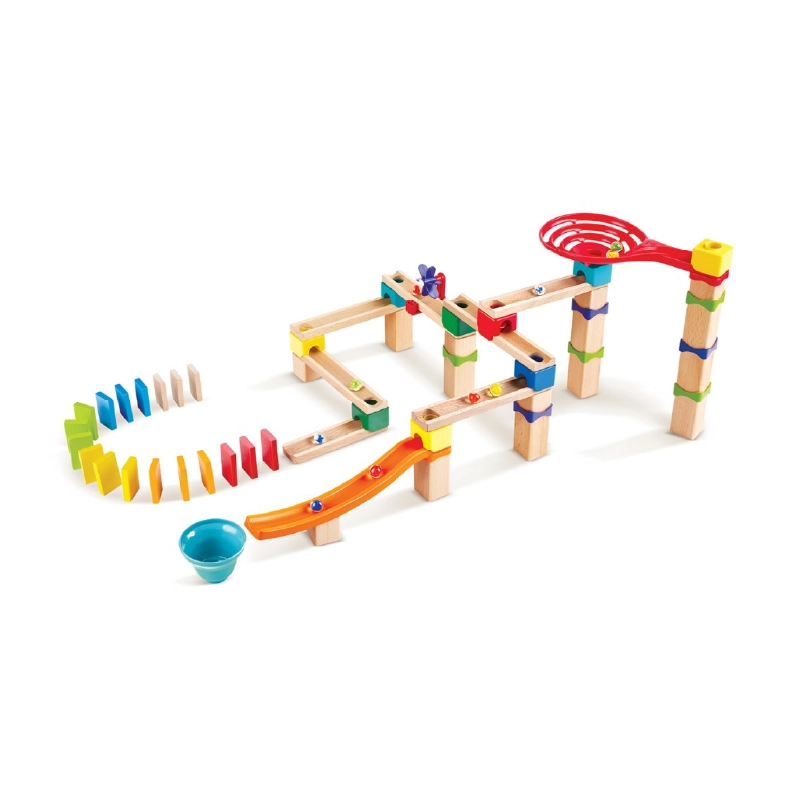
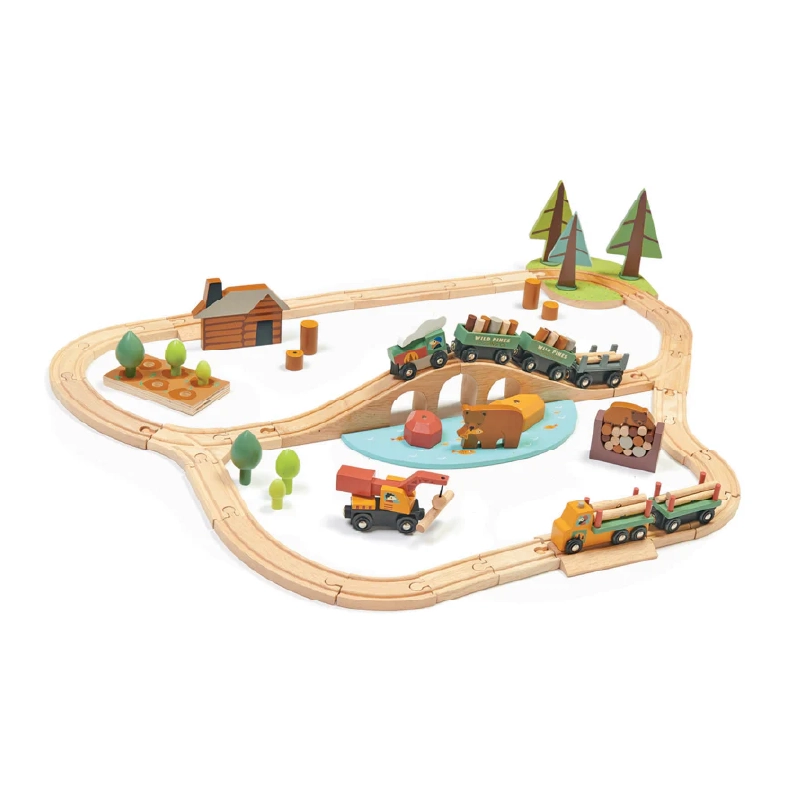
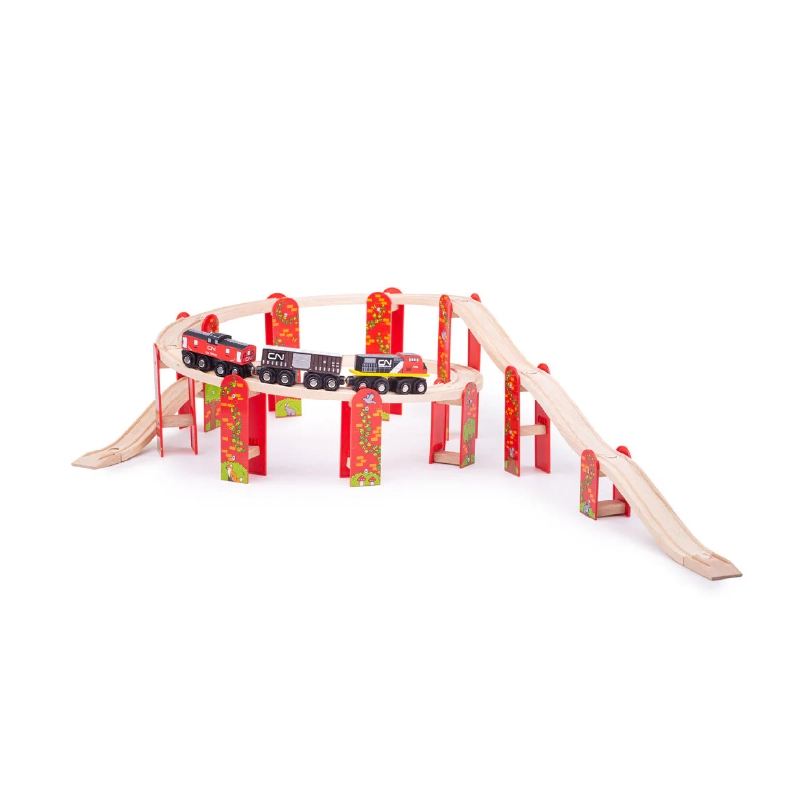
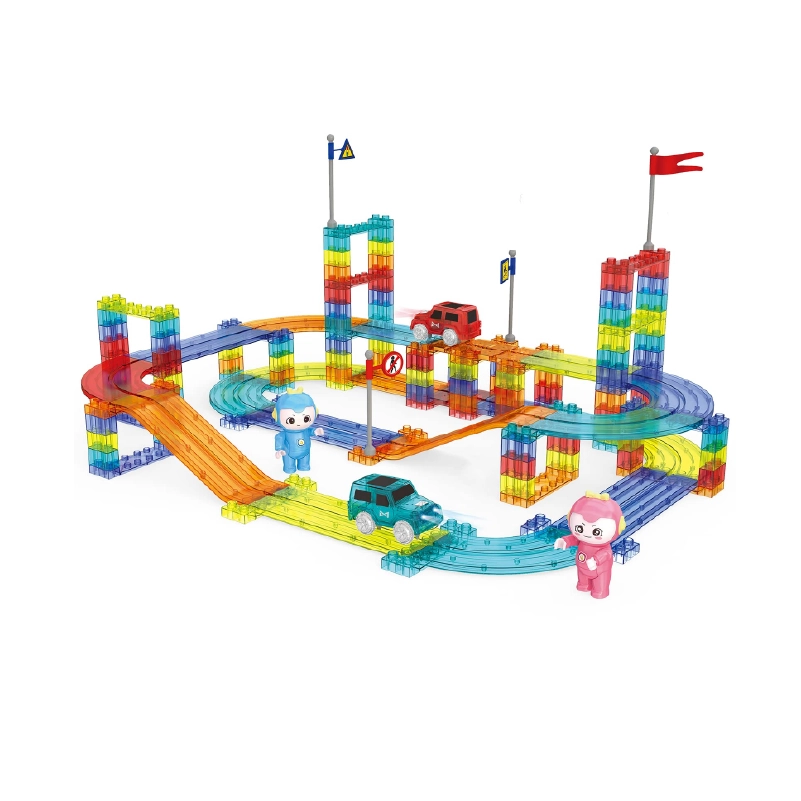
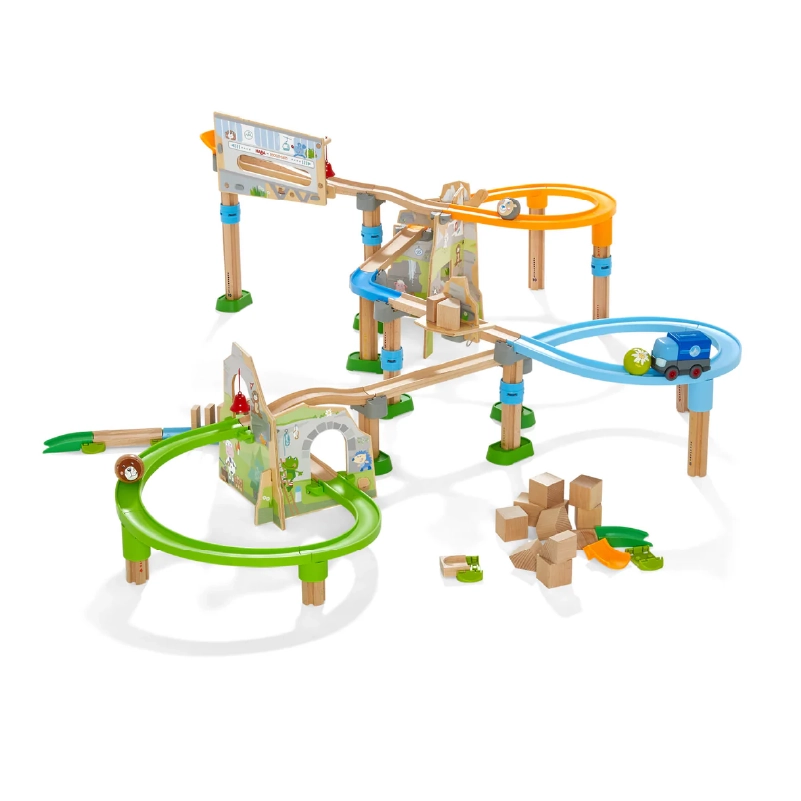
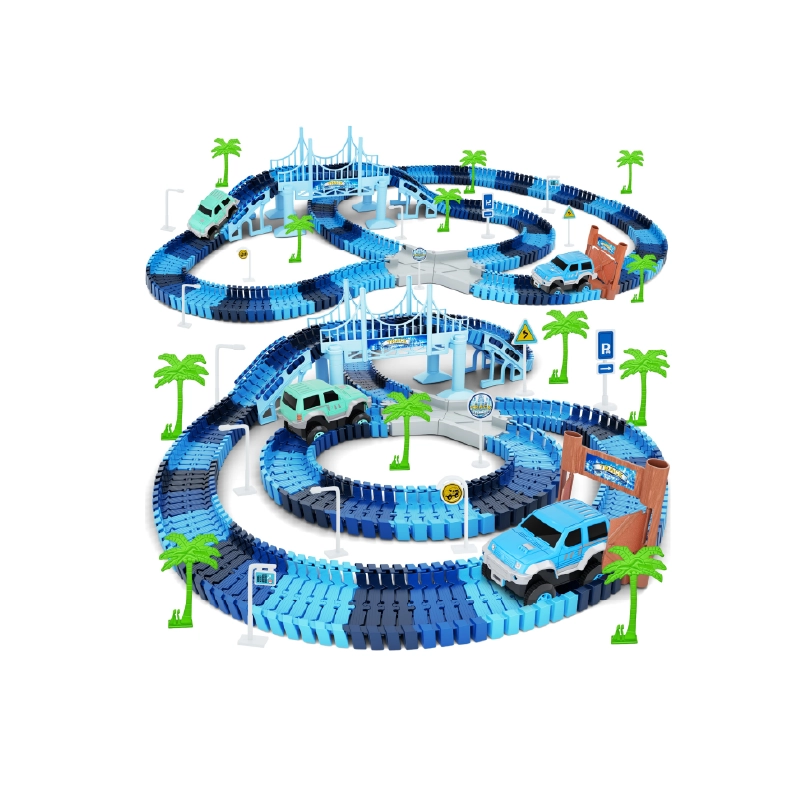
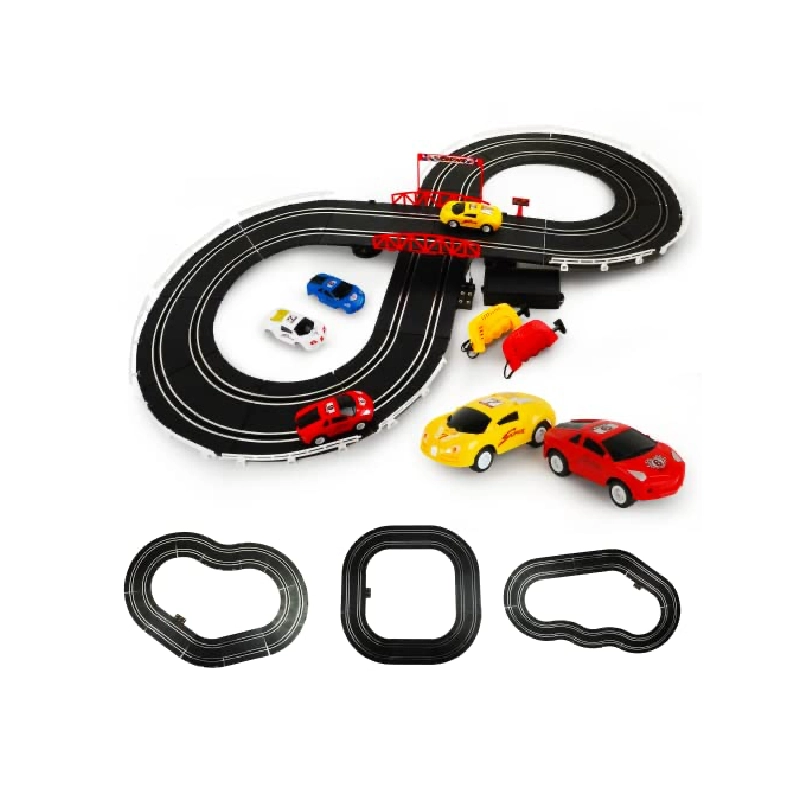
Track Building Sets

Track building sets let children design and assemble interconnected paths, often involving vehicles, marbles, or motion-based elements. As part of the Construction Toys category, they enhance logical planning, sequence recognition, and cause-and-effect learning.

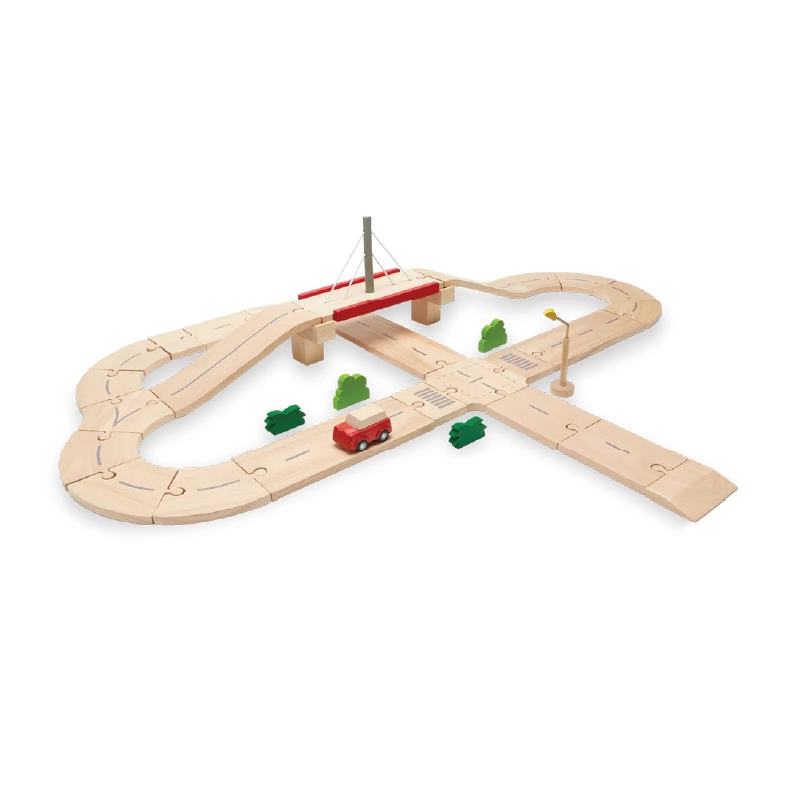
Themed Construction Sets

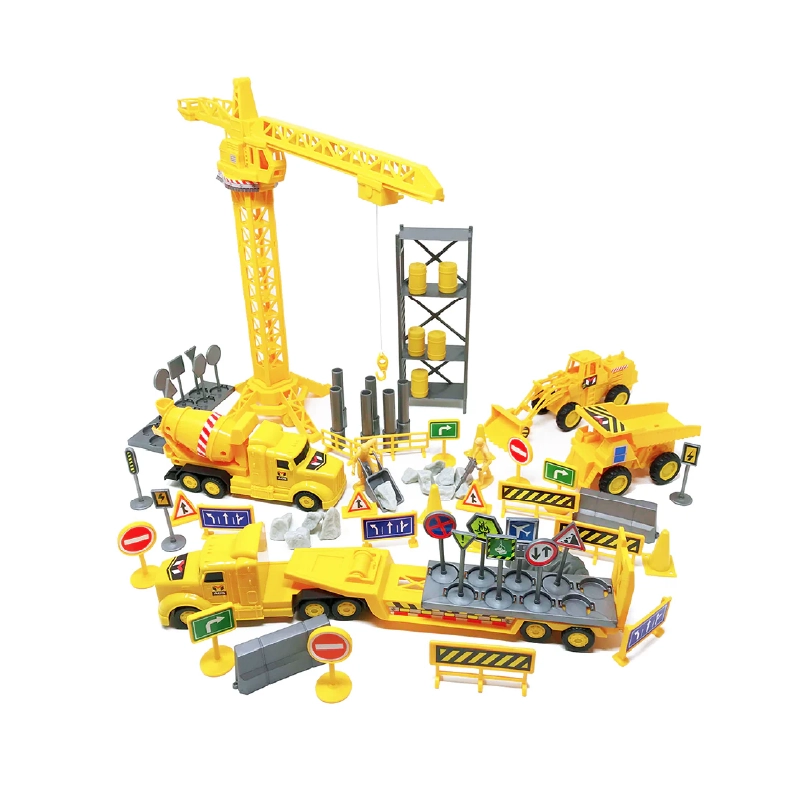
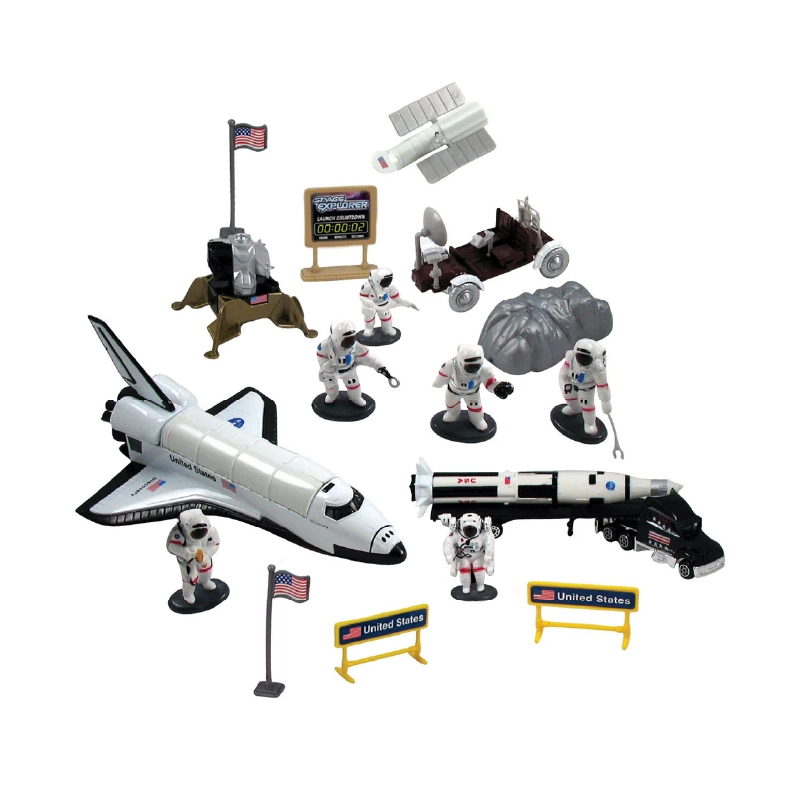
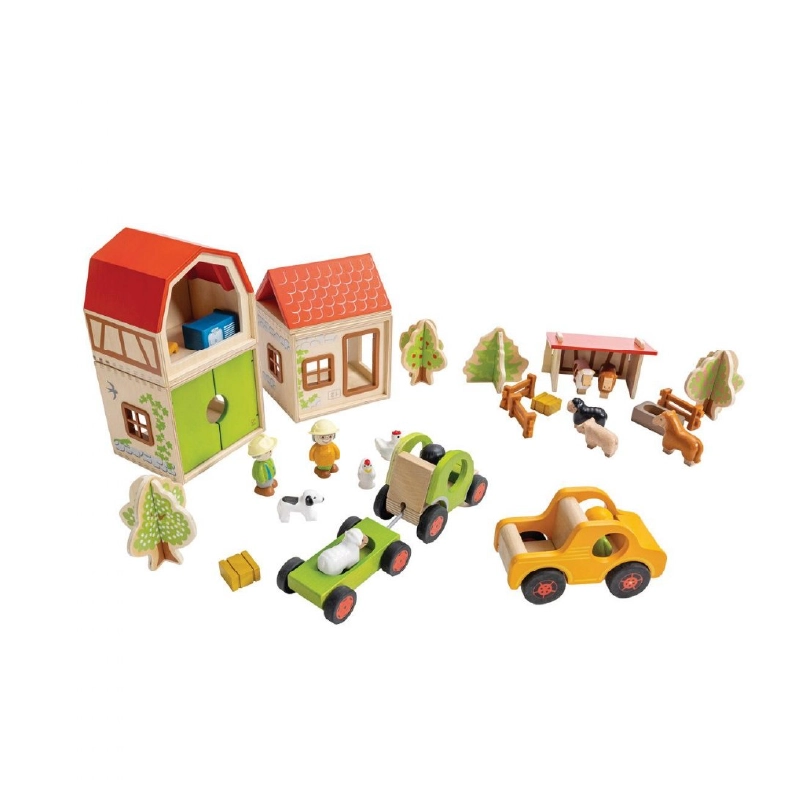
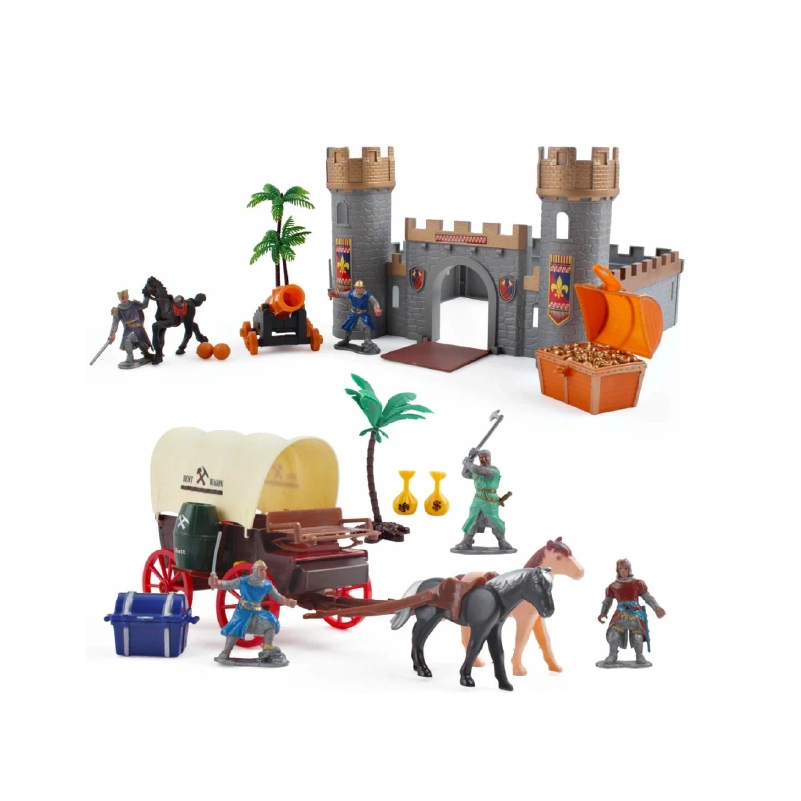
Themed construction sets offer story-based building experiences, often featuring settings, characters, or specific challenges. These Construction Toys support role-playing, narrative development, and group collaboration through structured play.

Trusted Construction Toys Manufacturer and Supplier

We specialize in manufacturing and supplying high-quality Construction Toys designed to support early childhood learning through hands-on play. Our products are made from safe, durable materials and meet strict international safety standards. With a full-service approach that includes product customization, classroom layout planning, and consistent quality control, we help educational institutions create engaging and functional learning spaces. Our commitment to innovation, reliable production, and educational value has made us a trusted supplier of Construction Toys to schools, kindergartens, and learning centers worldwide.

Materials Used in Construction Toys

All of our Construction Toys are crafted from high-quality, child-safe materials to ensure durability, safety, and long-term educational value. Each material supports different styles of play and developmental needs, making them suitable for a wide range of classroom environments and age groups. The most commonly used materials in our Construction Toys include:

  • Legna Natural, durable, and tactile. Ideal for open-ended building and sensory engagement.
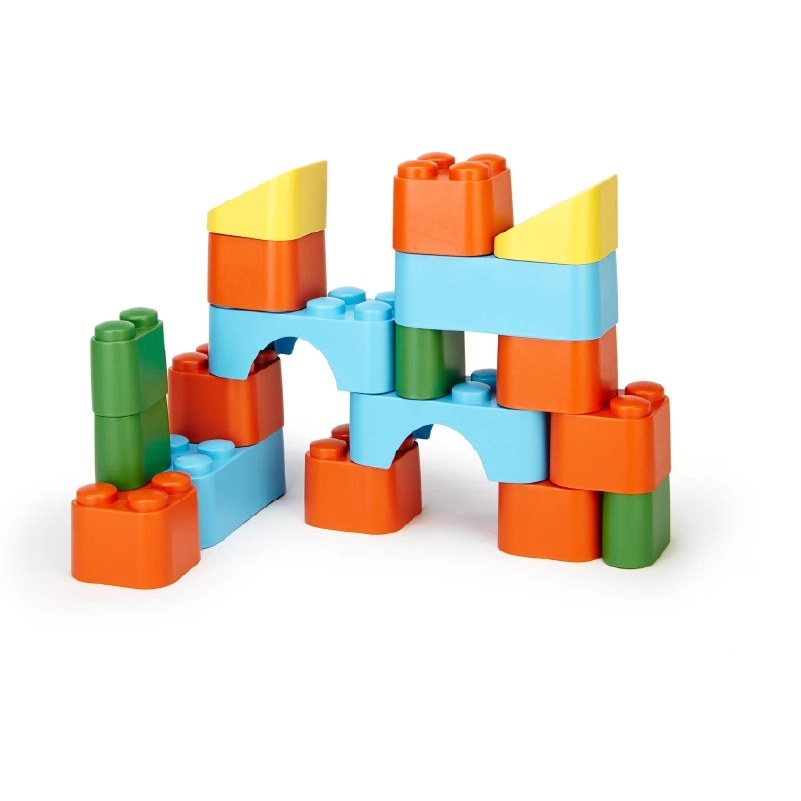
  • Plastica Lightweight and colorful. Perfect for vibrant designs and easy handling.
  • Magnetic components Used in magnetic construction toys to support 3D structure building and spatial reasoning.
  • Metallo Incorporated in mechanical sets for strength, stability, and realistic engineering experiences.
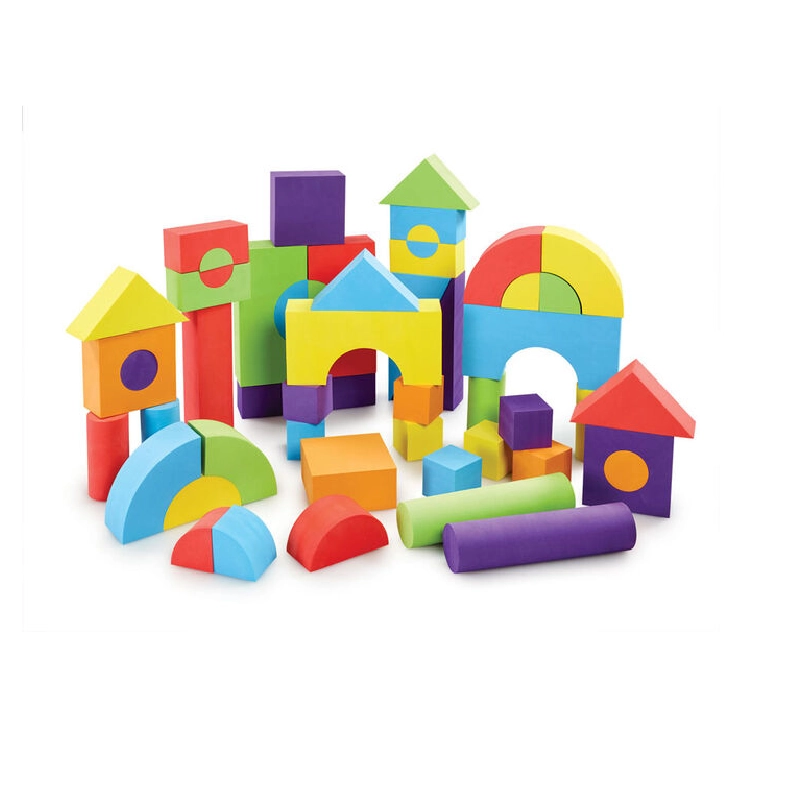
  • Foam Soft and safe. Often used for lightweight, oversized building blocks suitable for toddlers.
  • Silicone or rubber parts Flexible and grippy. Useful for connectors or safety-enhanced pieces.

Safety Standards for Construction Toys

All of our Construction Toys are manufactured in compliance with internationally recognized safety standards, including EN 71 and ASTM F963. These certifications cover mechanical safety, chemical composition, and structural integrity to ensure every toy is suitable for preschool use and meets the requirements of educational institutions.

We use only child-safe materials that are non-toxic, durable, and tested for heavy metal content and surface coatings. Each product is designed with smooth edges, secure connections, and safe construction methods to reduce risks during daily classroom play. Consistent quality checks during production help ensure long-term safety and performance.

How to Choose the Right Construction Toys for Children

Choosing the right Construction Toys can make a lasting impact on a child’s early development. Below are five key aspects to guide your selection process with clarity and intention.

Cognitive Fit

Don’t rely solely on age labels. Instead, consider the mental challenge the toy presents. Simpler block sets suit early builders still exploring basic stacking or sorting. For children who show pattern recognition or sequencing skills, toys with more complexity will offer the right level of engagement.

Growth Potential

Great Construction Toys are those that evolve with the child. Avoid kits with only one fixed design. Choose sets that can be rebuilt in different ways or combined with others. This supports long-term learning and layered skill development, from fine motor work to storytelling and logic.

Material Quality

Materials affect how a child interacts with the toy. Wooden blocks offer tactile weight, foam ensures safety for younger users, and magnetic components introduce new sensory dynamics. Select toys that are safe, durable, and stimulating to the touch.

Learning Purpose

Every type of Construction Toy supports a specific kind of learning. Building blocks strengthen spatial awareness. Magnetic sets promote problem-solving. Mechanical kits support logical sequencing. Themed sets help develop language and imagination. Choose according to the skill you want to nurture.

Practical Use

Think beyond play. Can the toy be used independently? Is it easy to clean or store in a shared space? Consider how it fits into the classroom or home routine. A practical toy is one that children reach for again and again.

Construction Toys for Different Age Groups

Selecting age-appropriate Construction Toys ensures that children engage with materials that support their developmental needs. Below is a breakdown of suitable toy types for each age range, with clear connections between age, skill level, and recommended products.

Ages 2–3

Ages 2–3: Simple, Large-Scale Building

These toys support early stacking, grasping, and sensory exploration. Their size and simplicity help toddlers develop hand control, balance, and visual-motor coordination during the earliest stage of physical and spatial learning.
Ages 3–4

Ages 3–4: Connecting, Matching, and Storytelling

With growing control and curiosity, children at this age begin to combine parts with intention. These toys encourage creativity, pattern recognition, and emerging problem-solving skills, while also introducing early narrative play.
Ages 4–5

Ages 4–5: Structured Building and STEM Play

Children explore more complex construction, often recreating real-world environments or inventing their own. These toys help develop planning, balance, symmetry, and basic logic, bridging imaginative play with early engineering concepts.
Ages 5–6

Ages 5–6: Mechanical Thinking and Design Logic

At this stage, children are ready for advanced problem-solving and multi-step tasks. These toys promote mechanical reasoning, sequencing, and collaboration, ideal for STEM-focused classrooms and group-based construction challenges.
What Skills Do Children Develop Through Construction Toys

Construction Toys are powerful tools for early learning, offering more than just play. They promote meaningful skill development across physical, cognitive, and social-emotional domains. When used consistently, these toys help children build core competencies that support success in school and beyond.

Motor and Spatial Development

Through grasping, stacking, connecting, and balancing, children strengthen fine motor coordination and hand control. At the same time, Construction Toys help them understand physical space, including how objects relate to each other in size, shape, and position. This spatial awareness becomes a key foundation for later math and problem-solving abilities.

Creative and Cognitive Growth

Construction play invites children to imagine, plan, and create. It encourages open-ended thinking, experimentation, and innovation. Children learn to think critically as they test ideas, solve design problems, and explore different building methods. These cognitive processes support higher-level thinking, including early engineering and design logic.

Abilità sociali ed emotive

Whether building alone or in a group, children experience emotional rewards like confidence, focus, and persistence. In group settings, Construction Toys foster collaboration, communication, and negotiation. Children learn to share materials, express their ideas clearly, and solve conflicts, which are all essential skills for healthy social development.

Executive Function and Task Planning

As children build, they are unknowingly practicing executive function skills such as planning, sequencing, and attention control. Completing even a simple construction requires them to set a goal, remember steps, adjust when things don’t work, and see a task through to the end. These abilities are critical for academic readiness and lifelong learning.

How to Maintain Construction Toys

Construction Toys are long-term educational investments. Proper care not only extends their lifespan but also ensures safety, cleanliness, and consistent learning value. Especially in classrooms or high-use environments, structured maintenance helps preserve the quality and function of every piece.

Clean and Disinfect Regularly

To maintain hygiene, Construction Toys should be cleaned on a weekly basis or more often in shared environments. Use warm water and mild soap for plastic or silicone toys. Magnetic pieces should be wiped with a damp cloth and dried thoroughly to protect internal components. Wooden blocks should never be soaked but instead cleaned with a soft cloth and non-abrasive cleaner to avoid warping. Disinfecting solutions should be child-safe and non-toxic, especially when used on surfaces that children frequently touch or put in their mouths.

Check for Wear and Safety Risks

Over time, even the most durable Construction Toys can show signs of wear. Regularly inspect for cracks, loose magnets, chipped corners, and any sharp edges that may have developed. Pay close attention to joints, connectors, hinges, or any moving parts that undergo frequent stress during use. Remove or repair any damaged items immediately to prevent safety hazards and keep the set complete and functional for learning.

Use Organized and Protective Storage

Proper storage plays a key role in maintaining toy quality. Store Construction Toys in bins or containers that prevent crushing, bending, or exposure to dirt and moisture. Sort different types of parts into clearly labeled compartments to make setup and cleanup easier for both teachers and children. Consider using ventilated storage solutions for wooden items to allow airflow and prevent mold or odor buildup.

Q&A

Construction Toys are designed for a wide age range, from toddlers to early elementary children. For toddlers, larger and softer blocks made of foam or wood are recommended. For preschoolers and older children, magnetic, mechanical, and themed construction sets offer more complexity and cognitive challenge.

Yes. Our Construction Toys are made from child-safe materials that meet international safety standards. Each product is designed to minimize choking hazards, with smooth edges and non-toxic finishes. Always check the age recommendation and supervision guidelines for each toy.

Construction Toys promote critical developmental skills, including fine motor control, spatial reasoning, problem-solving, creativity, and collaboration. They support early STEM education by introducing basic engineering concepts in a hands-on, playful way.

The most common materials include wood, plastic, foam, magnetic components, metal, and silicone. Each material offers different benefits in terms of durability, sensory engagement, and age suitability.

Start by considering the child’s developmental stage, interests, and the learning outcomes you want to support. Younger children need simple, open-ended sets, while older learners benefit from more complex and themed kits. Also, consider factors like ease of storage, safety, and how well the toy supports group or independent play.

Both. Construction Toys work well in open-ended play, but they can also be used in structured activities to teach concepts like patterns, measurement, sequencing, and storytelling. Many educators integrate them into STEM, math, or language lessons.

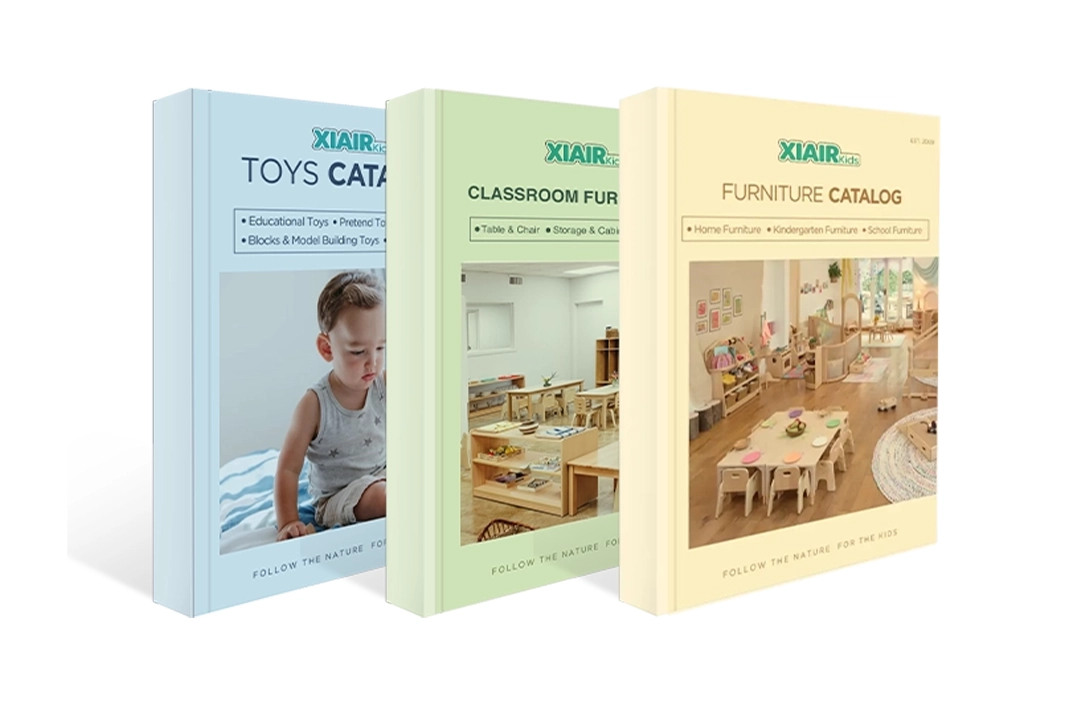
catalogare

Richiedi subito il catalogo per la scuola materna!

Compila il modulo sottostante e ti contatteremo entro 48 ore.

Start Your Preschool or Center Furniture Project

Fill in a few details, and our design team will provide a custom layout plan and proposal within 48 hours.
We specialize in multi-classroom and full-school projects.

Basic Information
Project Details