
 English
 Arabic
 French
 Italian
 German
 Spanish (Spain)
 Thai
 Japanese
 Turkish
 Indonesian
 Vietnamese
 Polish
 Portuguese
 Malay
 Swedish
 Spanish (Mexico)
Parenting & Guidance
How To Start A Daycare Or Preschool: The Steps Before Opening
Starting a daycare or preschool project becomes easier when you plan the service, business, site, approvals, staff, and opening steps in the right order.
Starting a daycare or preschool project becomes easier when you plan the service, business, site, approvals, staff, and opening steps in the right order.
A well structured Children’s Daily Routine supports emotional security, smooth transitions and active learning in preschool settings. By combining clear activity periods, balanced play and rest, and an organized classroom layout, children gain confidence and independence throughout their day. This guide explains the key components of an effective preschool Routine and offers practical strategies for creating a calm, predictable and engaging daily flow for young learners.
Learn the difference between STEM and STEAM in early childhood education, with simple examples and practical ways to support both in your classroom.
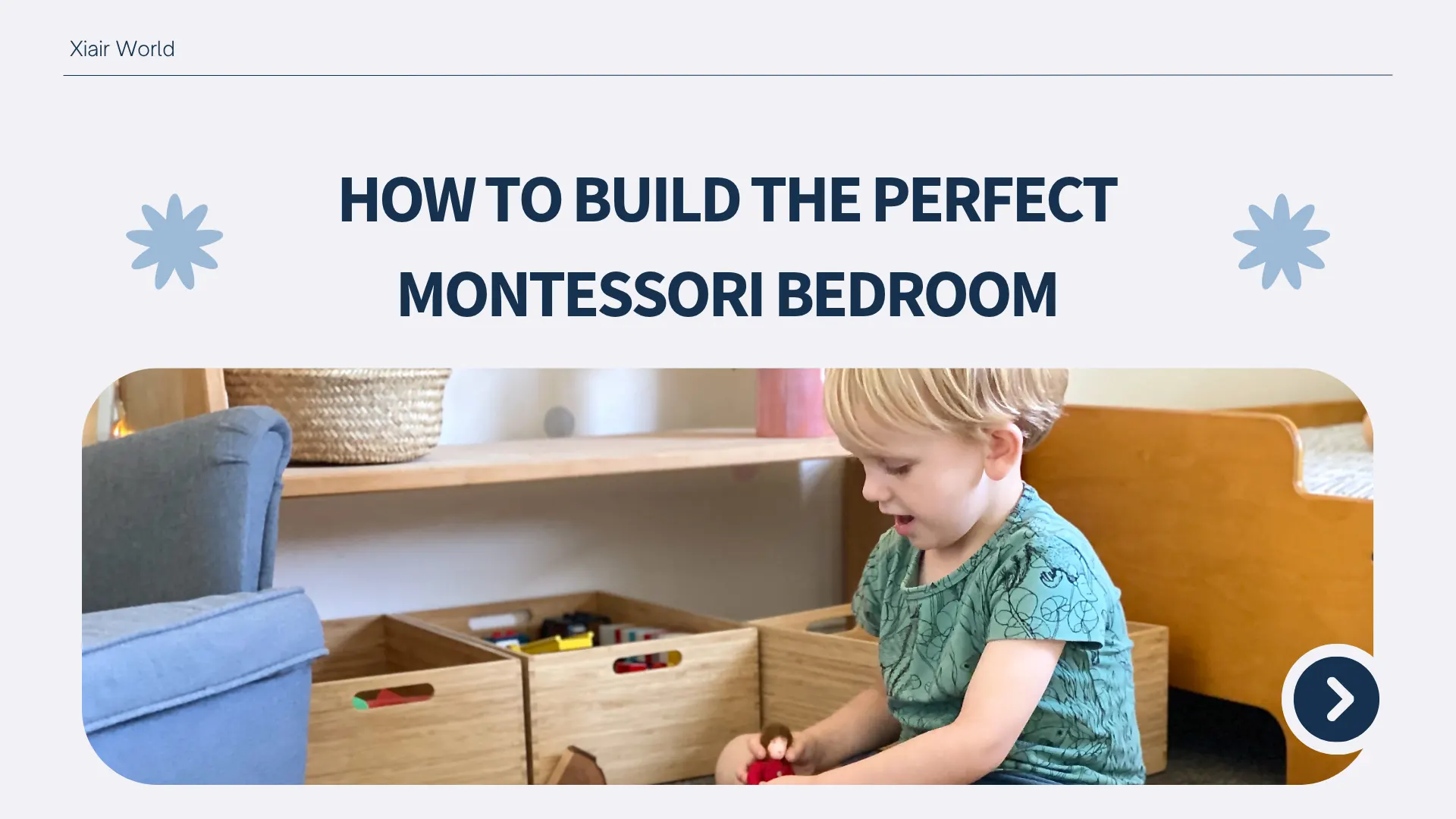
Want to design a Montessori bedroom your child will love? Learn how to choose the right furniture, arrange the space safely, and foster independence from day one.
This 2025 daycare job description guide breaks down key responsibilities, qualifications, and daily duties for multiple childcare roles, helping employers hire smarter and staff work better.

Teaching gratitude to children builds empathy, emotional strength, and kindness. Through Montessori-inspired routines, daily habits, and engaging activities like drawing, storytelling, and thank-you crafts, children can develop a lifelong attitude of appreciation and social awareness—starting as early as age 2.

This article explores essential concepts, stages, and milestones of cognitive development, offering actionable guidance for parents and educators. Through a blend of expert insights and practical strategies, readers will understand how to nurture a child’s mental growth during these formative years.
This article compares these two approaches, examining their unique benefits, limitations, and applications. Educators will gain insight into the differences between each type of assessment to help them choose the right approach to monitor development, guide instruction, and meet children’s individual needs.

Teaching letter recognition is a cornerstone of early childhood education. This article provides a comprehensive guide for early childhood educators and parents on effectively teaching letter recognition. Educators will find developmentally appropriate practices, hands-on strategies, and real-world applications to make letter learning fun, meaningful, and effective.