 Portuguese
  English
  Arabic
  French
  Italian
  German
  Spanish (Spain)
  Thai
Thai  Japanese
  Turkish
  Indonesian
  Vietnamese
  Polish
  Malay
Malay  Swedish
  Spanish (Mexico)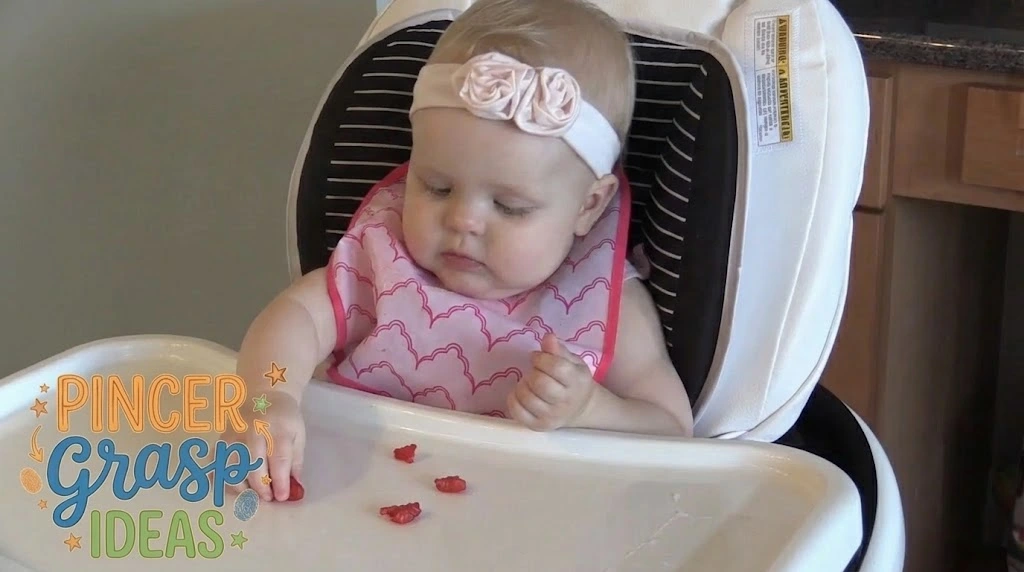
As your baby becomes more curious about tiny objects, snacks and textures, you’ll start noticing a new kind of finger work emerging. Those little moments, picking up a puff, reaching for a sticker edge, grabbing a toy, are all early steps toward the pincer grasp, one of the most important fine motor milestones in the first year. And the best part? Babies practice it naturally through everyday play, without needing special lessons or a strict routine.
This guide walks you through what the pincer grasp actually is, when it typically develops, and simple pincer grasp activities you can try at home. Whether your baby is just beginning to explore finger movements or already trying to pick up tiny pieces, you’ll find easy, baby friendly ideas that fit right into daily life and support confident fine motor development.
What Is a Pincer Grasp and When Does It Develop?
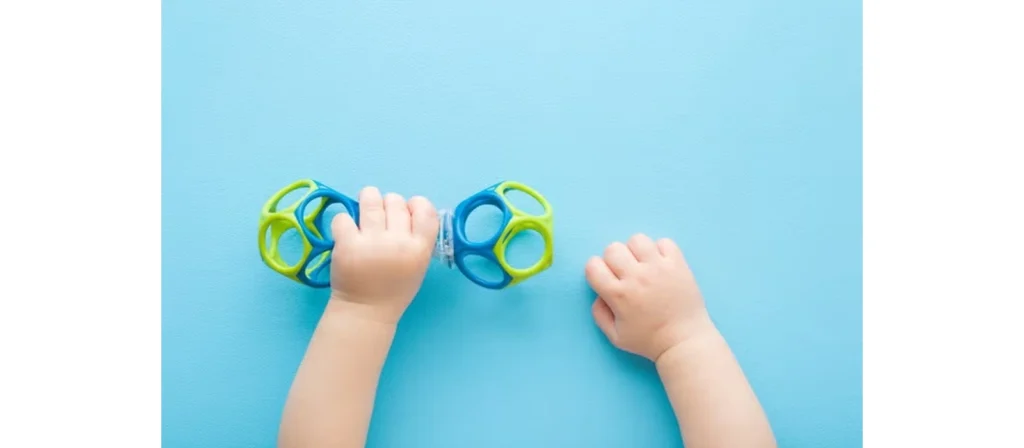
In developmental terms, a pincer grasp is the ability to oppose the thumb and index finger to pick up and hold a small object. Instead of using the whole hand or several fingers at once, the baby uses a more refined thumb–index pattern, sometimes called a pincer grip. This skill is a key part of fine motor development and supports later functions such as self-feeding, managing small objects and eventually holding writing tools.
Clinically, pincer grasp is described in stages rather than as a single moment:
- Crude pincer grasp: the object is held between the thumb and the side of the index finger, or between thumb and several fingers.
- Immature pincer grasp: the thumb and index finger move toward a pad-to-pad pattern, but the movement is still clumsy and objects are often dropped.
- Neat or fine pincer grasp: the tips of the thumb and index finger pick up very small items with clear control, often described as tip-to-tip pinch.
So when does pincer grasp develop in a typical baby? Most infants begin to show crude or immature pincer grasp somewhere around 8 to 10 months, and a more neat pincer grasp commonly appears between 10 and 12 months. This pincer grasp milestone is a broad window rather than a strict deadline, so small differences in timing are usually part of normal variation.
Pincer Grasp Activities for Babies: Fun Ideas to Try Today
Now that you know what this milestone is, let’s look at some pincer grasp activities you can try right away. Think of these as little invitations to practice, not homework. Choose 1–2 ideas that fit your baby’s age and mood, and keep each play time short and fun.
Soft Snack Pick-Up
Best for: around 6–9 months, when your baby is starting solids.
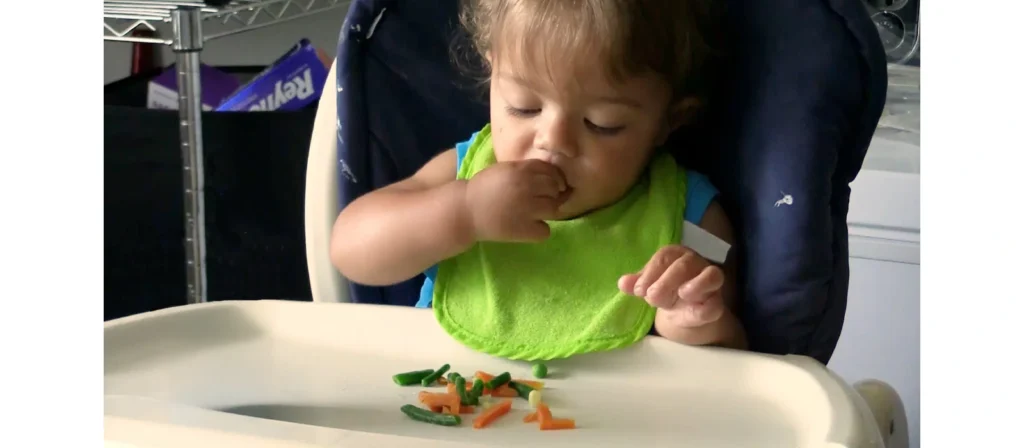
Place a few soft, easy-to-hold snack pieces (like steamed carrot sticks or soft fruit) on the highchair tray. Let your baby try to pick them up with their fingers and bring them to their mouth. This is one of the simplest pincer grasp activities because babies are naturally motivated by food.
Towel Crinkle and Pinch
Best for: from about 6 months onward.
Lay a small washcloth or soft towel on your baby’s lap or tray and scrunch one corner slightly so it sticks up. Encourage your baby to pinch and pull the corner. The rough texture and the sound of crinkling fabric invite lots of little finger movements that support infant grasp development.
Cereal Ring Pick-Up Game
Best for: around 9 months and up.
This is a classic pincer grasp activities 9 months idea. Place a few ring-shaped cereals or similar safe snacks on the tray. Show your baby how to pick one up using thumb and index finger. Let them copy you, even if they drop pieces many times—that repeated try-and-drop is exactly how to practice pincer grasp in a natural way.
Peas and Corn Treasure Hunt
Best for: 9–12 months.
Put a few cooked peas or corn kernels in a shallow bowl or on the tray. Invite your baby to “find the tiny treasures” and pick them up one by one. This makes objects even smaller, so it’s a lovely step up when you’re wondering how to encourage pincer grasp after your baby has mastered bigger snacks.
Pom-Pom in the Cup
Best for: 9–12 months (use large pom-poms and close supervision).
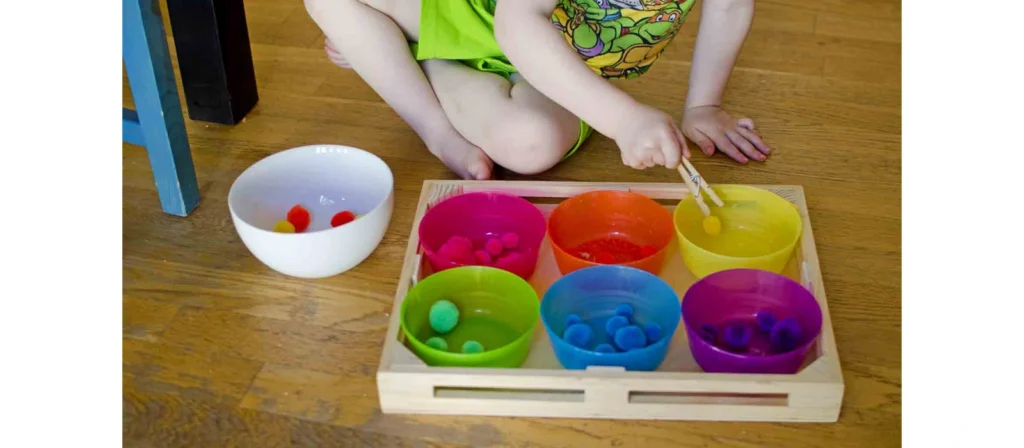
Scatter a few large craft pom-poms or soft balls on the table and place a small cup nearby. Show your baby how to pinch a pom-pom and drop it into the cup. Repeat until they get the idea. This is a playful way to work on pincer grasp with baby without using food every time.
Bottle Cap Drop Game
Best for: 9–12 months and up.
Collect a few clean, large plastic bottle caps and a wide-necked plastic bottle or container. Let your baby pinch each cap and drop it through the opening. The “clink” sound when it lands is satisfying and motivates them to try again. It’s a simple everyday setup that quietly supports pincer grasp development.
Sticker Pull and Pick-Up
Best for: 10–12 months and up.
Stick a few large stickers partly onto a table or highchair tray so one edge is lifted slightly. Show your baby how to pinch the edge and peel it off. They can then pick up the sticker again and hand it to you or place it on paper. This is a great idea when you’re thinking how to help baby with pincer grasp during quiet play.
Coin Slot with Big Tokens
Best for: around 12 months and beyond.
Make a “coin bank” from an empty container with a wide slit cut in the lid. Offer big wooden discs or other chunky tokens that are too large to swallow. Invite your child to pinch each disc and slide it through the slot. This activity combines finger strength and precision and is a fun upgrade after simpler pincer grasp activities.
Clothespin Squeeze Line
Best for: 12 months and beyond, depending on hand strength.
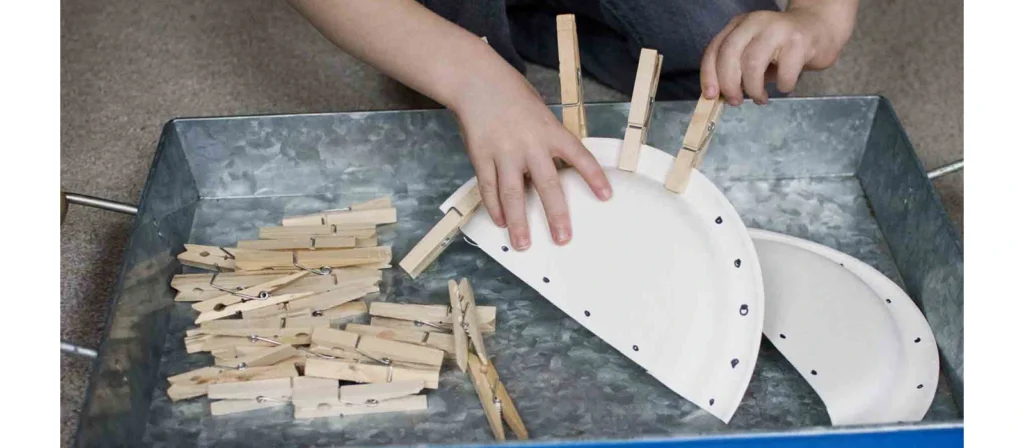
Clip a few large, easy-to-open clothespins onto a piece of cardboard or low string. Show your child how to squeeze and remove a clothespin using thumb and index finger. At first they may use their whole hand, which is fine, but over time this can gently guide them toward a more refined pincer grip.
Bath Toy Pick-Up Game
Best for: any time once your baby can sit steadily in the tub.
Float a few small but safe bath toys or sponges in shallow water. Encourage your baby to pinch and lift them out, then drop them back in. Water play is a relaxed way to weave in pincer grasp activities for babies during a routine you’re already doing, without setting up anything extra.
Key Principles for Healthy Pincer Grasp Development
The goal is not to “train” your baby, but to support natural pincer grasp development through everyday life. When you understand a few simple principles, it’s much easier to relax and still feel confident that your baby’s little fingers are getting what they need.
1. Think whole body, not just fingers
Before a baby can use a neat pincer grasp, they need basic stability in the rest of the body. Good infant grasp development actually starts with:
- stable sitting (so they don’t topple while reaching)
- strong shoulders and arms (so the hand can move with control)
- chances to reach in different directions (forward, to the side, across the body)
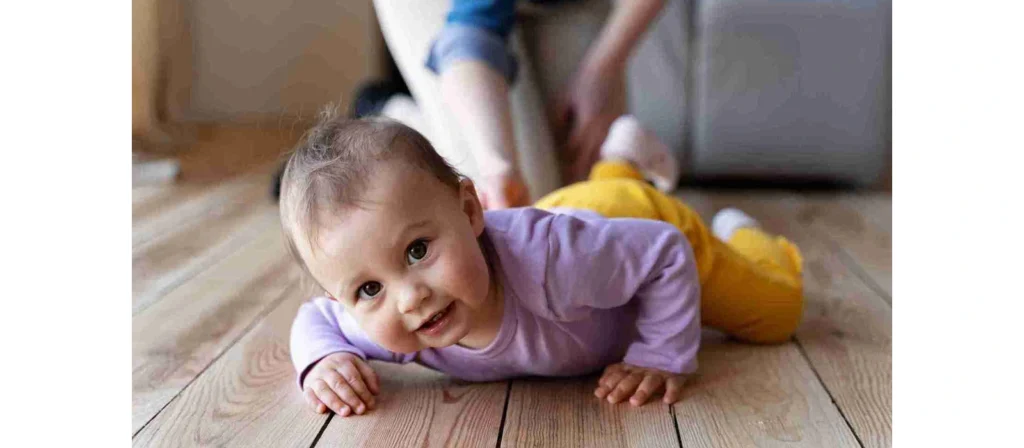
That means tummy time, floor play, and crawling all quietly support later fine pincer grasp. If your baby can sit and reach for toys comfortably, they’re already building the foundation for the pincer grip you’ll see later.
2. Offer the “just-right” challenge
If objects are too big or too easy, your baby will keep grabbing with the whole hand. If they’re too tiny, your baby may get frustrated. To support gentle pincer grasp development, aim for a middle ground:
- start with chunky snacks or big tokens they can almost grasp with thumb and finger
- slowly move toward smaller pieces as they improve
- switch back to easier items if they seem tired or fussy
You can think of it as turning a dial, not flipping a switch. Tiny adjustments in size and texture help your pincer grasp baby progress without pressure.
3. Follow your baby’s lead
The best way to encourage pincer grasp is to build on what your baby is already interested in. If they love food, use snack games. If they love water, use bath games. A few simple habits help:
- offer chances to pinch and pick up during routines you already do (meals, bath, playtime)
- wait and watch before jumping in, and give them time to figure it out
- celebrate effort, not just success (all the dropping and trying again is real practice)
When you let your child explore and make small mistakes, you’re actually giving their brain and hands exactly the practice they need for solid, confident pincer grasp development.
4. Keep it safe and short
Because you’re often using small objects, safety is non-negotiable:
- always supervise closely when small items are within reach
- stick to baby-safe snacks and toys that are too large to swallow
- keep each “practice” moment short and end on a positive note
Tiny, frequent moments are enough. A few minutes here and there of relaxed play will do more for your baby’s pincer grasp than long, stressful sessions. Think light, playful, and consistent; that’s the sweet spot.
Conclusão
The pincer grasp is not something babies need to be taught in a formal way. It grows through daily experiences, repeated attempts, and the freedom to explore small movements at their own pace. When parents understand how this skill develops, it becomes easier to trust the process instead of rushing outcomes.
By offering simple activities, choosing safe challenges, and following your baby’s interests, you create an environment where fine motor skills can mature naturally. Over time, those small moments of picking up, dropping, and trying again quietly add up, supporting not just the pincer grasp, but your child’s growing confidence and independence.
Common Questions About Pincer Grasp Activities for Babies
When do babies usually start using a pincer grasp?
Most babies begin to use a pincer grasp toward the end of the first year, often somewhere between 8 and 12 months. Some are interested in tiny pieces of food quite early, while others take a bit longer. Instead of focusing on one exact month, watch for steady progress: more reaching, more exploring, and a gradual shift from grabbing with the whole hand to using the fingers more.
How often should I do these activities with my baby?
You don’t need a strict schedule or a formal “program.” A few minutes of play, a few times a day, is enough. The easiest way is to tuck one or two simple activities into moments you already have, during meals, on the floor with toys, or in the bath. Short, relaxed play times usually work better than long, serious practice sessions.
Do I need special toys for this?
Not really. You can absolutely buy brinquedos designed for fine motor skills if you enjoy that, but everyday objects work just as well: safe snacks, large buttons, clean bottle caps, pom-poms, blocos, and so on. As long as the item is safe, easy to pick up, and encourages your baby to use thumb and finger together, it can support their pincer grasp.
When should I talk to a professional about my baby’s grasp?
Every child develops at their own pace, but if your baby is past their first birthday and never seems to try picking up smaller pieces, or you’re also worried about other movement milestones, it’s a good idea to check in with your pediatrician or a pediatric therapist. They can look at the whole picture, reassure you, and suggest simple ideas to try at home if needed.