 Spanish (Spain)
  English
  Arabic
  French
  Italian
  German
  Thai
Thai  Japanese
  Turkish
  Indonesian
  Vietnamese
  Polish
  Portuguese
  Malay
Malay  Swedish
  Spanish (Mexico)
Preschool open house ideas are strategies designed to help early learning centers welcome visiting families, showcase their classroom environment, and encourage enrollment. Effective open houses often include guided classroom tours, hands-on learning activities, opportunities to meet teachers, and ways for parents to observe how children learn and interact in the classroom.
For preschool directors and educators, an open house represents a critical moment when families form their first real impression of your program. In just a short visit, your educational philosophy, your teachers’ dedication, and your classroom environment must come together to answer one silent question in every parent’s mind: “Can I trust this place with my child’s future?”
Maria Montessori emphasized that the environment itself plays a critical role in teaching and development, shaping how children explore, concentrate, and interact with the world around them. When families walk into a classroom that reflects thoughtful design, purposeful materials, and engaged teaching, they begin to see how that environment supports learning.
In this guide, we move beyond the typical “balloons and snacks” approach. Instead, we present 14 purposeful preschool open house ideas designed to create meaningful learning experiences for visiting families. These strategies help schools showcase their curriculum, highlight the quality of their classroom environments, and ultimately turn interested visitors into enrolled families.
What Is a Preschool Open House?
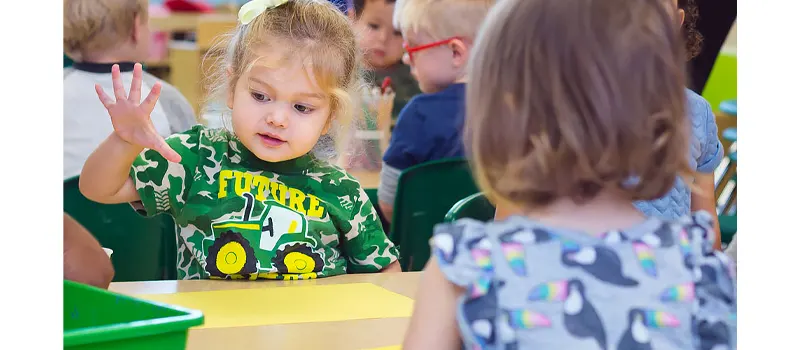
A preschool open house is an event where early learning centers invite prospective families to visit the school, explore the classroom environment, and learn about the program before enrolling their child. During an open house, parents typically have the opportunity to tour the facility, meet teachers, observe learning materials, and understand how the preschool organizes daily activities and supports children’s development.
For educators and school administrators, an open house also serves as an important communication opportunity. It allows schools to explain their educational philosophy, showcase their classroom organization, and demonstrate how materials, furniture, and learning spaces are designed to support young children’s independence and exploration. By experiencing the environment firsthand, parents can better evaluate whether the school’s teaching approach, classroom setup, and overall atmosphere align with what they want for their child’s early education.
Why Host a Preschool Open House?
A preschool open house allows families to experience the school environment before making an enrollment decision. Parents can visit the classroom, meet teachers, and observe how the program supports children’s learning and daily routines. For schools, an open house is also a valuable opportunity to communicate their educational approach, build trust with families, and turn interest into actual enrollment.

Increase Enrollment Opportunities
When parents can explore the classroom, see learning materials, and understand how the program operates, they gain a clearer picture of what their child’s experience will look like. This direct exposure often makes it easier for families to decide whether the school is the right fit.
Build Trust and Relationships with Families
Enrollment decisions in early childhood education are strongly influenced by trust. Meeting teachers in person and having open conversations with school staff helps parents feel more comfortable with the people who will care for their child. These interactions allow schools to answer questions, explain routines, and establish a positive relationship with prospective families.
Showcase the Quality of Your Learning Environment
The classroom environment is one of the most important factors parents evaluate during a visit. An open house allows schools to demonstrate how classroom layout, learning materials, and activity areas support exploration, independence, and active learning. Seeing these elements in person helps families better understand how the environment contributes to children’s development.
Gather Insights from Visiting Families
Open house events also provide schools with valuable feedback. Questions and conversations with parents often reveal what families care about most, whether it is safety, communication, daily routines, or learning activities. These insights can help schools improve how they present their programs and better align their environment with family expectations.
Reduce Transition Anxiety for Children
For many young children, starting preschool can feel unfamiliar and overwhelming. Visiting the classroom during an open house allows them to explore the space in a relaxed setting before their first official day. Seeing the toys, activity areas, and learning materials ahead of time helps children become more comfortable with the environment, making the transition into preschool smoother for both children and parents.
12 Preschool Open House Ideas
An Open House is the single most critical touchpoint in a daycare’s enrollment funnel. However, many centers fail to move beyond the traditional campus tour, leaving parents with a brochure but no emotional connection. To truly differentiate in a competitive market, a daycare must transition from passive observation to purposeful engagement.
1. Choose the Right Time for Your Open House

The timing of your preschool open house can greatly affect how many families are able to attend. When selecting a date, try to avoid conflicts with major holidays, community events, or popular sports games in your area, as many families plan their schedules around these occasions.
It is also important to give prospective families enough time to evaluate your program after visiting. Many schools find that hosting an open house about two months before the enrollment or application deadline works well, since parents are often researching preschool options during this period.
If you are unsure about the best timing, consider running a short survey on your school website or social media channels to learn when families are most available. This approach can also help raise early awareness of your event. In addition, offering more than one session—such as a weekday evening and a weekend morning—can make it easier for more families to attend.
2. Create a Clear and Purposeful Visiting Route
A successful preschool open house should feel easy to follow, not crowded or confusing. Instead of allowing families to walk through the school without direction, create a clear visiting route that leads them through the most important parts of your program in a logical order. This helps parents focus on what matters most, such as classroom organization, learning areas, daily routines, and teacher-child interaction, rather than feeling overwhelmed by too much information at once.
A purposeful route also allows the school to present its strengths more effectively. For example, families might begin at the welcome area, continue into the main classroom, then visit reading corners, activity stations, display boards, and outdoor play spaces before ending at a parent Q&A or enrollment table. When the visit is structured in this way, parents can better understand how each space supports children’s development. It also creates more natural opportunities to showcase mobiliario de aula, learning materials, and the overall quality of the environment.
3. Create a Welcoming Check-In Area
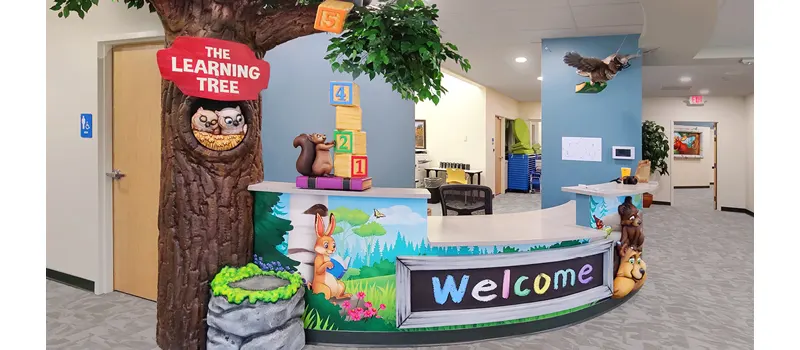
The first moments of an open house often shape the overall impression families have of your preschool. A well-organized welcome area helps visitors feel comfortable as soon as they arrive and ensures the event begins smoothly.
Set up a simple check-in table near the entrance where families can sign in, receive name tags, and collect basic information about the school. Friendly staff greeting families at the entrance can help create a relaxed atmosphere and guide visitors toward the first activity or classroom tour.
4. A “Passport to Preschool” Tour Activity
Walking through a campus can feel overwhelming for both parents and children. Turning the visit into a simple interactive activity can make the experience more engaging.
Provide each family with a small “passport” card and invite them to collect stamps or stickers at key locations, such as the classroom, reading corner, playground, or dining area. This approach encourages families to explore the entire campus while making the visit more enjoyable for children. It also ensures that visitors see the spaces that best represent your program.
5. Let Families Taste a Real Preschool Meal or Snack
Food safety and nutrition are major concerns for many parents when choosing a preschool. An open house is a good opportunity to address these concerns by offering small samples of the actual meals or snacks served to students, rather than special event food.
Place a simple display near the tasting area showing ingredient sources and basic nutritional information. This transparency allows parents to quickly understand the quality of the food and the standards behind your meal program. When families can both see and taste what children actually eat, it strengthens trust in the school’s daily care and health practices.
6. Create a Hands-On Workshop
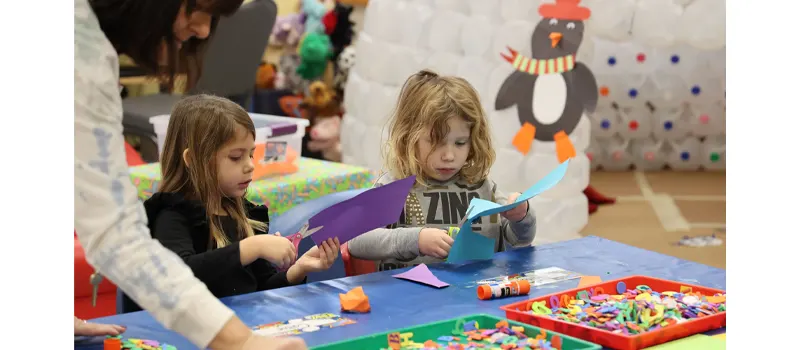
A small hands-on workshop can reflect your school’s unique character, whether that means a simple woodworking activity, clay modeling, sensory art, or a beginner-friendly science experiment. This kind of experience helps children engage with the environment immediately and gives parents a clearer sense of how your program turns curiosity into learning.
The key is to choose an activity that feels manageable, safe, and closely connected to your educational approach. While children participate, teachers can observe and offer brief, thoughtful comments about each child’s engagement, focus, or problem-solving style. These small professional observations often leave a strong impression on parents because they show that your staff is not only friendly but also genuinely attentive and experienced.
7. Run a 15-Minute Micro-Class
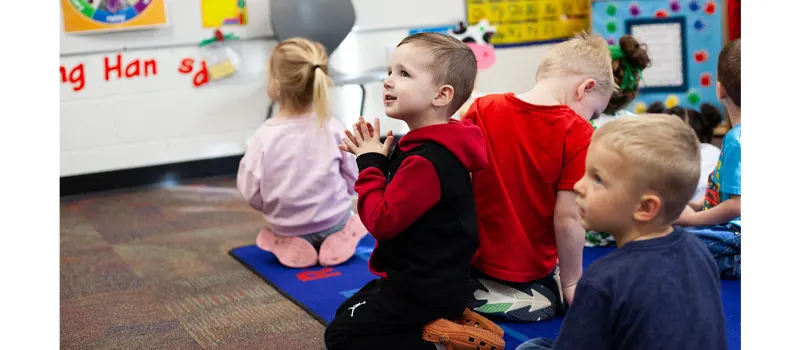
Instead of only explaining your teaching approach, demonstrate it through a short 15-minute micro-class during the open house. Choose a simple activity that reflects your program, such as an interactive storytime, a Vida práctica Montessori exercise, or a short music and movement session.
Invite visiting children to join while parents observe. During the activity, teachers can briefly explain what children are learning—for example, how a story discussion builds language skills or how hands-on materials support concentration and independence. This short demonstration helps parents see how teachers guide children, manage group activities, and create a supportive learning atmosphere. When families witness the classroom dynamic directly, it becomes much easier for them to understand the value of your program.
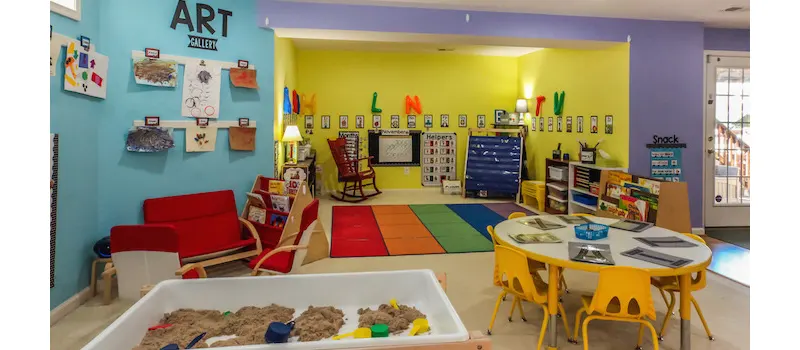
8. Create a “Child’s-Eye View” Gallery
Display student artwork, photos, and project descriptions at children’s eye level throughout the classroom or hallway. This simple adjustment helps parents understand how the environment is designed around the child, rather than around adult viewing habits.
During the classroom tour, encourage parents to briefly look at the space from a child’s height. From this perspective, they can more clearly notice elements such as low shelves, accessible materials, and well-defined activity areas. These details demonstrate how the physical environment supports children’s independence, movement, and exploration in everyday learning.
9. Highlight Outdoor Play and Movement Areas
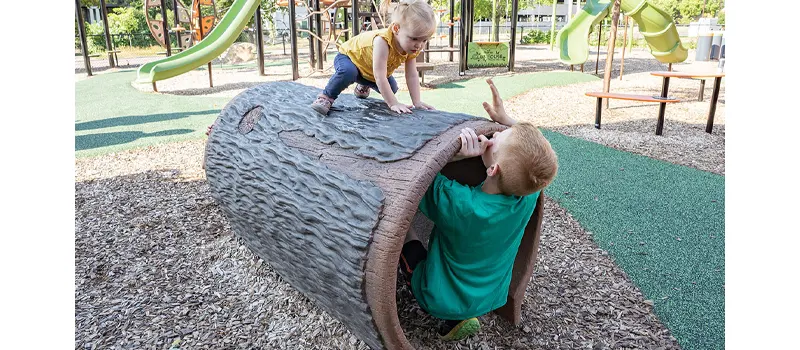
Outdoor play is a key part of early childhood development, supporting children’s physical health, coordination, and social interaction. Use the open house as an opportunity to show families how your outdoor environment encourages movement, exploration, and active learning.
During the visit, guide parents through playground areas, climbing structures, or open play zones while explaining how these spaces support skills such as balance, cooperation, and confidence. If possible, allow visiting children to try a few simple activities so parents can see how the space is used in everyday routines. This helps families understand that outdoor play is not just recreation, but an important part of the preschool learning experience.
10. Host a Leadership Q&A Session
Large tours can make it difficult for parents to ask meaningful questions. Scheduling a short Q&A session with the principal, director, or curriculum leader creates space for deeper conversations about the program.
Focus the discussion on topics parents genuinely care about, such as helping children manage separation anxiety, supporting social-emotional development, or preparing children for the transition to elementary school. This type of conversation helps position the school’s leadership team as knowledgeable educational partners.
11. Create a Parent Ambassador Conversation Area
Parents often trust other parents’ experiences more than promotional materials. Consider inviting a few current families to serve as parent ambassadors during the open house.
Provide a comfortable area where prospective families can speak informally with these parents about their experiences with the school. Hearing honest feedback about classroom life, teacher communication, and the transition into preschool can provide the reassurance some families need before making an enrollment decision.
12. Provide a Professional Photo Opportunity
Create a small photo area where families can take a memorable picture during the open house. This could be a decorated reading corner, a classroom activity area, or a simple backdrop related to your school theme.
You may choose to have a staff member or photographer assist families with taking photos. After the event, schools can share these pictures with parents along with contact information or follow-up details. Families often share these moments with relatives or on social media, which naturally increases awareness of the school within the community.
13. Offer an Early-Enrollment Incentive

Open house events often generate strong interest, but families may still delay making a decision. Offering a limited-time enrollment incentive can encourage parents to take the next step while their interest is highest.
Consider providing a small benefit for families who register or place a deposit during the open house, such as a waived registration fee, a starter supply kit, or a discount on the first month of tuition. The goal is not to pressure families, but to create a clear opportunity for those who are already ready to commit.
14. Prepare a Meaningful Take-Home Gift
Instead of handing out generic brochures, consider giving families a small take-home item that reminds them of the visit. A meaningful gift can help keep your school in mind even after the event ends.
For example, children might decorate a small potted plant during the open house, or families could receive a short “Preschool Readiness” guide with practical tips for parents. These items create a positive connection with the school and symbolize the growth and learning families hope to see in their children.
Preguntas frecuentes
How do you promote a preschool open house effectively?
Schools can promote an open house through multiple channels, including their website, social media pages, email newsletters, and local parenting groups. Clear information about the event, such as activities, classroom tours, and opportunities to meet teachers, helps parents quickly understand the value of attending.
How long should a preschool open house last?
Most preschool open houses typically last 60 to 90 minutes. This timeframe allows families to tour the school, participate in a few activities, and speak with teachers without the visit feeling rushed or overwhelming.
Should preschools follow up with families after the open house?
Yes. Following up with families after the event is an important step in the enrollment process. A short email thanking parents for attending, sharing additional information, and reminding them about enrollment deadlines can help maintain interest and encourage the next step.
How many families should attend a preschool open house?
To maintain a comfortable and organized experience, many schools limit attendance to 15–25 families per session. Smaller groups allow teachers to answer questions, guide tours more effectively, and create meaningful conversations with parents.
Conclusión
A successful preschool open house is more than a campus tour—it is an opportunity for families to truly experience the environment where their children may spend an important part of their early years.
By focusing on purposeful experiences, schools can turn a simple visit into a moment of clarity for parents. When families can see how the classroom operates, how teachers interact with children, and how the environment encourages independence and exploration, they are better able to imagine their own child thriving in that space.
The goal of a preschool open house is not just to introduce the school, but to build trust. When families leave feeling informed, welcomed, and confident about the environment they have seen, the path from curiosity to enrollment becomes much clearer.