
 Indonesian
  English
  Arabic
  French
  Italian
  German
  Spanish (Spain)
  Thai
Thai  Japanese
  Turkish
  Vietnamese
  Polish
  Portuguese
  Malay
Malay  Swedish
  Spanish (Mexico)
Perkembangan Anak
Motor Skills In Early Childhood And How Your Classroom Can Help
Learn how motor skills in early childhood connect gross and fine motor development with everyday classroom routines, spaces and materials.
Learn how motor skills in early childhood connect gross and fine motor development with everyday classroom routines, spaces and materials.
Learn how fine motor skills in early childhood grow through everyday tasks, reachable materials and work surfaces that fit.
Learn how to create space for gross motor skills in early childhood with clear routes, simple challenges and easier supervision.
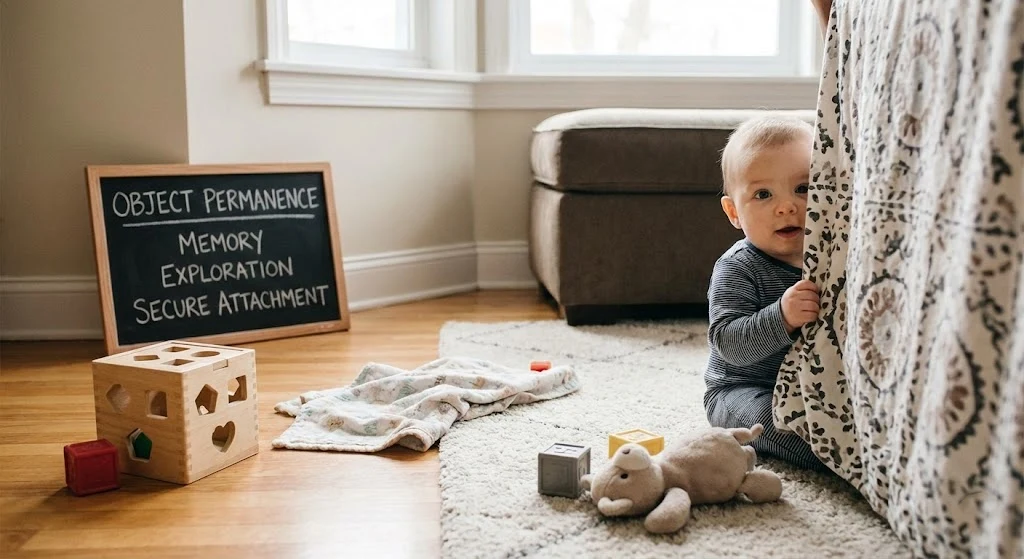
Object permanance sounds technical, but it simply means your baby is learning that you still exist even when you are out of sight. In this guide, you will see what object permanance is, when it usually appears, and how simple games and routines can ease separation anxiety and help your baby feel more secure.
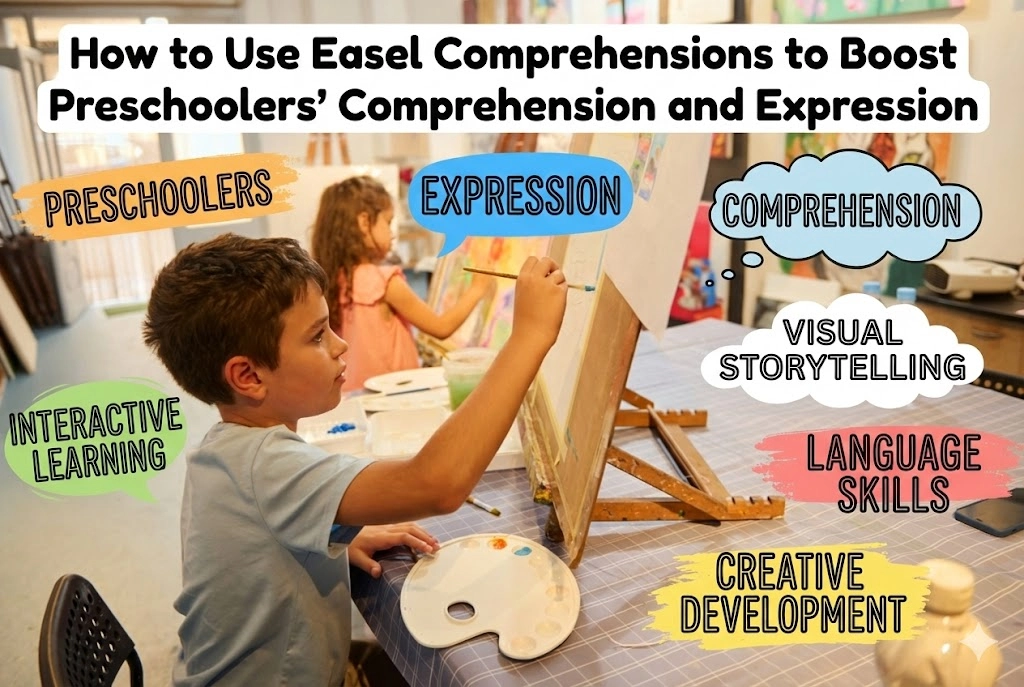
This article explores how preschool easel use can support comprehension, expressive language, and early literacy. Through interactive art activities, guided questioning, and storytelling prompts, educators and parents can transform easel time into a powerful tool for cognitive and language development.
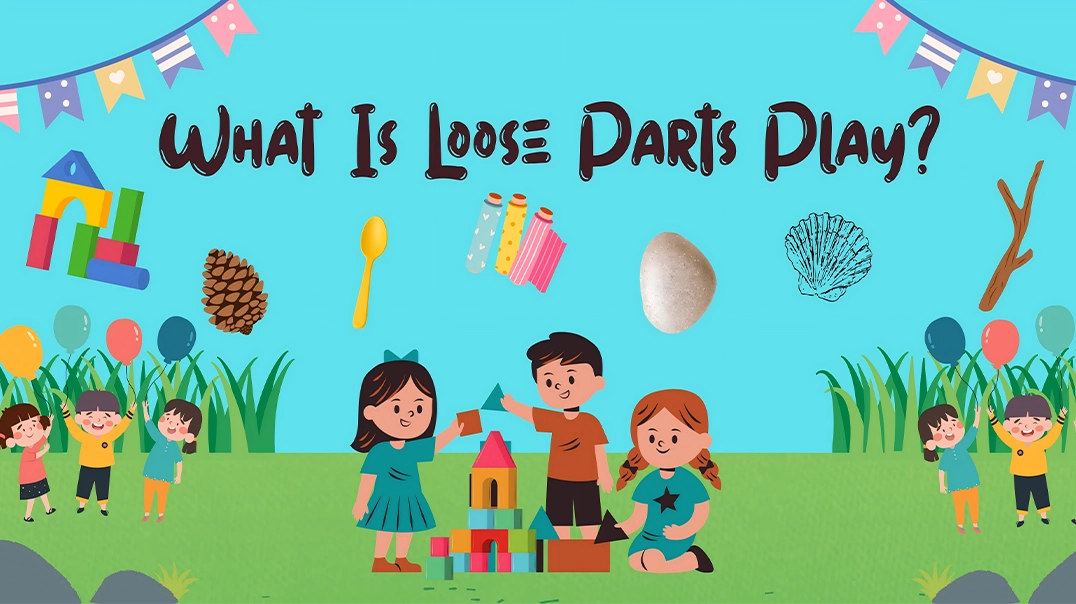
Loose Parts Play is a game format. This article explores What Is Loose Parts Play and explains how open materials support creativity, problem solving, sensory development, and child led learning. It examines core theories, practical classroom strategies, material selection, and real world examples to show why Loose Parts Play has become essential in modern early childhood education.
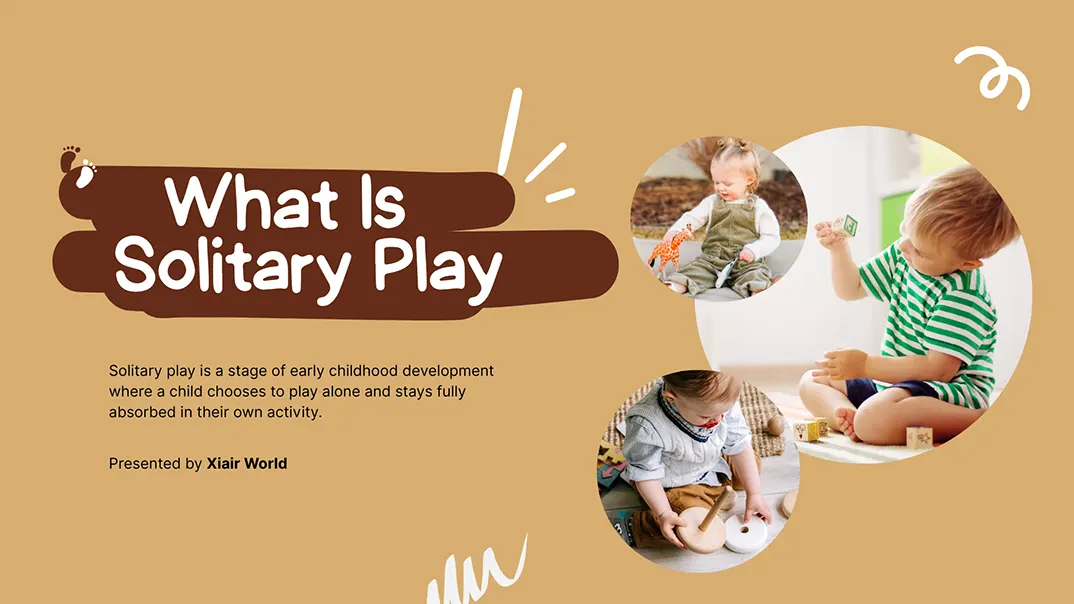
Solitary play is a form of independent play where children engage with toys, activities, or their imagination without interacting with others. This guide explores the definition of solitary play, its key characteristics, and how it benefits early childhood development. From boosting concentration to nurturing creativity, solitary play lays the groundwork for emotional strength and self-reliance.
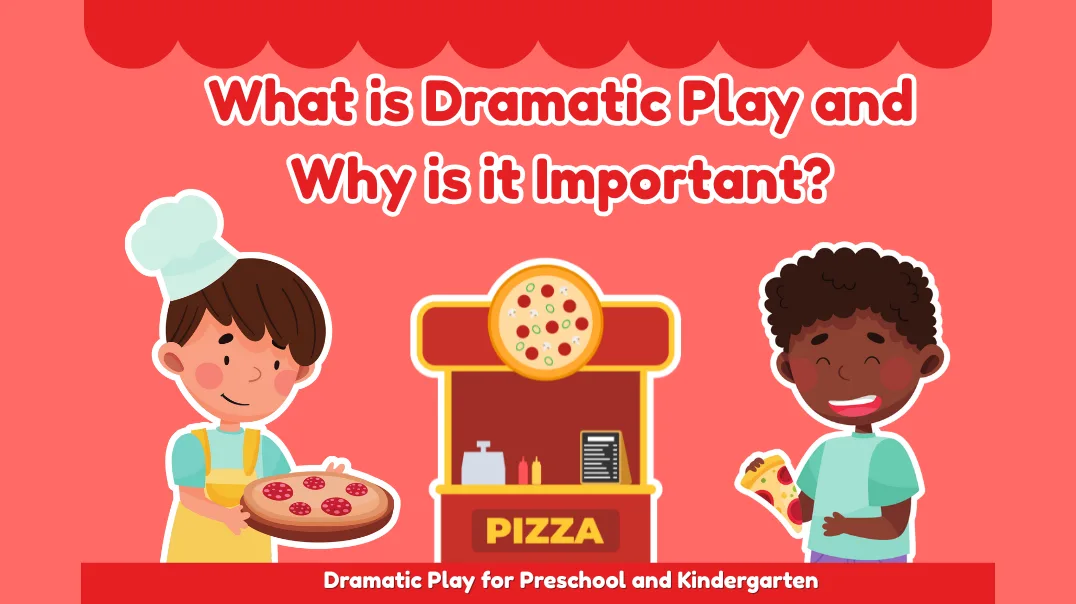
This article explores the meaning, types, and developmental value of dramatic play in early childhood. It explains how dramatic play supports emotional growth, self-regulation, literacy, creativity, and social learning, and offers practical guidance for educators and parents.

This comprehensive guide helps educators teach the life cycle of a chicken in a preschool setting. From egg to chick to hen, the article offers clear explanations, engaging activities, and classroom tips that align with early childhood learning standards. Ideal for science centers and nature-based learning.