 Portuguese
  English
  Arabic
  French
  Italian
  German
  Spanish (Spain)
  Thai
Thai  Japanese
  Turkish
  Indonesian
  Vietnamese
  Polish
  Malay
Malay  Swedish
  Spanish (Mexico)
Many preschools struggle with creating a smooth daily flow. Without a clear structure, children may feel uncertain, transitions become chaotic and teachers spend more time managing behavior than engaging in meaningful learning. A day without a dependable rhythm can leave children restless, overwhelmed or unsure of what comes next.
This article serves as your guide to building that ideal routine. It walks you through the essential components of a successful daily flow, explains why consistency matters and shows how thoughtful planning and classroom layout can transform each day into a smooth, child centered experience
What Is a Preschool Daily Routine

A preschool daily routine is the repeated sequence of events that guides a child through the day from arrival to dismissal. It is more than a schedule. It is the dependable rhythm that helps children understand what to expect and how to move comfortably from one moment to the next. A strong Children’s Daily Routine combines structure with warmth so children can feel secure while exploring freely.
A clear Children’s Daily Routine usually includes predictable times for:
A typical Children’s Daily Routine includes:
- Arrival and greeting
- Free play or learning centers
- Group meeting or circle time
- Brincadeira ao ar livre
- Snack and meal times
- Small group activities
- Rest or quiet time
- Closing circle and dismissal
An effective daily routine always respects the developmental needs of preschoolers. Children need short activity periods, clear cues for transitions and regular cycles of active and quiet moments. When these patterns repeat every day, children feel settled and ready to participate.
Why a Consistent Routine Matters for Young Children
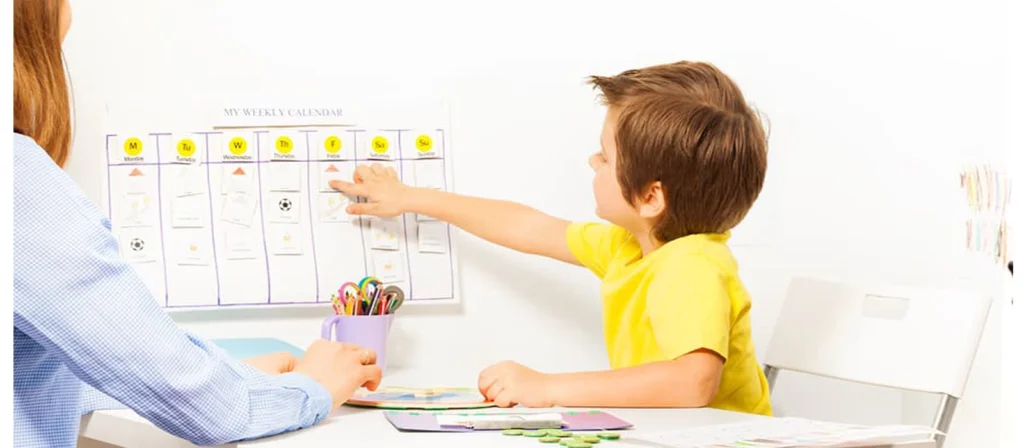
A predictable preschool Routine supports children in many important ways. Young children do not yet fully understand time, so routines act as an anchor that brings comfort and stability.
- Emotional Security: Children feel safer when their day follows a familiar pattern. They adjust to school more smoothly when they know what comes next.
- Independence Growth: Consistency helps children remember everyday steps such as washing hands, cleaning up or lining up. Over time they can complete them without reminders.
- Better Learning Focus: When children feel calm and know the flow of the day, they can concentrate more deeply during play and group activities, supporting early language, math and social learning.
- Easier Behavior Management: Many challenging behaviors occur during confusing transitions. A steady routine reduces frustration and helps children stay regulated.
- Stronger Home School Connection: Families understand the day better and can prepare their children emotionally. Parents can talk at home about specific parts of the Children’s Daily Routine, which builds continuity.
A stable daily rhythm gives children the foundation they need for confidence, curiosity and meaningful learning.
Core Components of a Preschool Daily Routine

A complete Children’s Daily Routine includes several key elements that appear in most high quality preschools. These components create balance, support emotional well being and offer learning opportunities across the day.
- Arrival: Children greet teachers, place belongings away and adjust to the classroom through gentle activities, helping them feel calm and ready for learning.
- Morning Circle: A group gathering that introduces the day. Teachers may review the preschool routine, talk about the weather or read a short message that prepares everyone for focused participation.
- Learning Centers: Children explore areas such as blocks, dramatic play, art, science and books during free choice time, encouraging deeper curiosity and meaningful peer interaction throughout the session.
- Outdoor Play: Daily outdoor time supports physical development, social confidence and sensory exploration while giving children space to move freely and express their energy.
- Snack and Meals: Shared eating times help children practice healthy habits, independence and conversation as they enjoy nutritious food together in a relaxed setting.
- Small Group Activities: Short teacher guided tasks focus on literacy, math, science or fine motor skills and provide more individualized support for each child’s growing abilities.
- Rest Time: A midday pause gives children a chance to restore energy, with quiet choices available for those who remain awake and prefer peaceful engagement.
- Closing Circle: Children review the day, prepare for going home and enjoy a calm ending ritual that reinforces routine and strengthens connection with classmates.
These components form the basic structure of a well balanced preschool day.
Sample Daily Routine Schedule for Preschool
Below is a full day American preschool Routine presented in a simple and clear table. This example reflects typical hours, natural energy cycles and developmentally appropriate blocks of time.
| Tempo | Atividade | Descrição |
|---|---|---|
| 8:00 to 8:30 | Arrival and Settling In | Children greet teachers, store belongings and join gentle opening activities. |
| 8:30 to 9:00 | Morning Circle | Greeting, songs, schedule review and introduction of daily themes. |
| 9:00 to 10:15 | Learning Centers and Free Play | Open choice play in centers such as blocks, art, dramatic play, math and sensory areas. |
| 10:15 to 10:30 | Hora do lanche | Healthy snack with hand washing, simple serving and table conversation. |
| 10:30 to 11:15 | Brincadeira ao ar livre | Gross motor activities including climbing, running, and nature exploration. |
| 11:15 to 11:45 | Aprendizagem em pequenos grupos | Teacher guided literacy, math or project based activities in small groups. |
| 11:45 to 12:15 | Almoço | Family style eating, cleanup and conversation. |
| 12:15 to 12:30 | Rest Preparation | Bathroom break, story reading and calming transition. |
| 12:30 to 2:00 | Rest or Quiet Time | Napping period or quiet individual play after initial rest. |
| 2:00 to 2:20 | Wake Up and Light Activities | Gentle wake up, bedding chores and calm table tasks. |
| 2:20 to 2:45 | Afternoon Activities | Music, indoor movement or light center play. |
| 2:45 to 3:00 | Afternoon Snack | Short snack to refuel for the afternoon. |
| 3:00 to 3:30 | Outdoor or Indoor Gross Motor Play | Active play through games, movement or climbing activities. |
| 3:30 to 3:45 | Closing Circle | Review of the day, songs and preparation for going home. |
| 3:45 to 4:00 | Dismissal | Farewell routines and pickup. |
This schedule balances active and calm times, group and individual moments, learning and play, creating a healthy daily rhythm for young children.
How Preschool Classroom Layout Supports Children’s Daily Routine?
A well arranged classroom helps children understand where each part of the day happens. When each area is clear and equipped with the right materials, children move through the Children’s Daily Routine with confidence and less confusion. A thoughtful layout also reduces transition time, supports independence and helps children stay calm and focused throughout the preschool Routine.
1. Activity Area
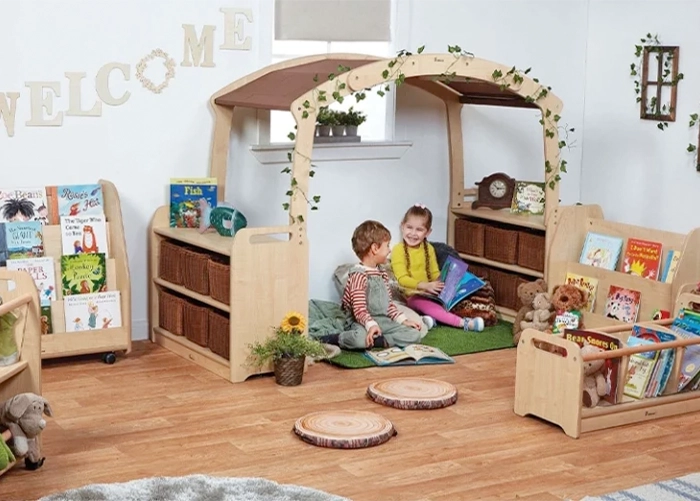
The activity area is where many parts of the Children’s Daily Routine begin, especially morning play and center time. When the space is open, inviting and equipped with easy to reach materials, children can start their day smoothly and settle into play without needing constant guidance. This supports independence and makes transitions into group activities much easier.
Arrangement and preparation:
- Child sized tables and chairs
- Open shelves for blocks, puzzles and manipulatives
- Art easels with paint trays
- Storage bins for crayons, markers and craft supplies
- Sensory table for sand or water play
- Simple cleaning tools for quick transitions
2. Área de Aprendizagem
The learning area anchors moments of focused activity in the preschool Routine, such as small group work or teacher guided lessons. A clear, organized layout helps children understand that this space is meant for attention and calm engagement. When everything is accessible, children transition into learning moments with ease.
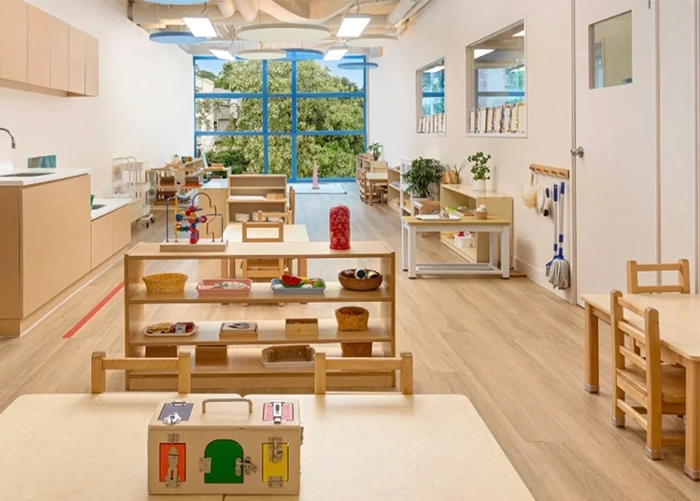
Arrangement and preparation:
- Low tables for small group tasks
- Child sized chairs
- Whiteboard or message board
- Baskets for math, literacy and science materials
- Bookshelves for learning trays and activity sets
- Storage drawers for teacher guided tools
3. Rest Area
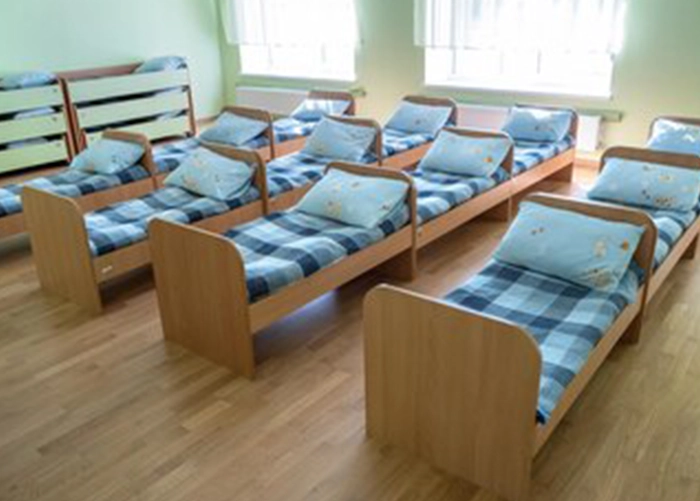
A dedicated rest area helps children understand when it is time to slow down and recharge. A calm, uncluttered space with familiar nap items makes the rest portion of the Children’s Daily Routine feel predictable and comforting. This area also supports smooth transitions into and out of rest time.
Arrangement and preparation:
- Stackable bed or nap mats
- Light blankets and soft pillows
- A dimmable lamp or soft lighting
- Storage space for individual nap items
- A small set of calming storybooks nearby
4. Outdoor or Gross Motor Area
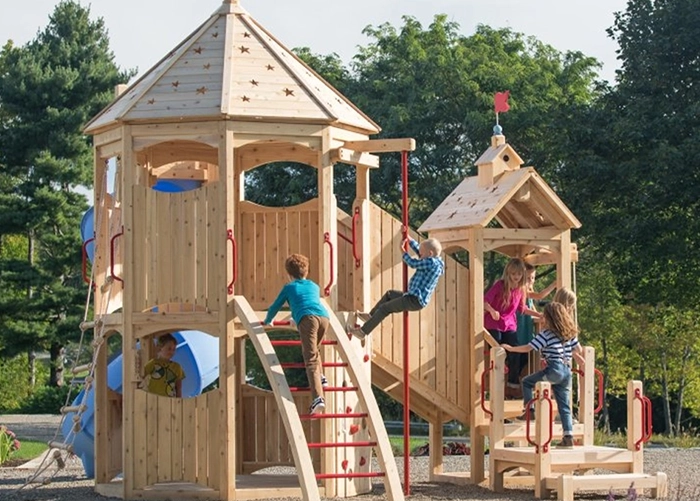
Outdoor and gross motor spaces support the active parts of the preschool Routine. Clear access to equipment and defined play zones help children transition quickly, burn energy safely and return indoors feeling more regulated. A well arranged outdoor area also encourages cooperative play and physical confidence.
Arrangement and preparation:
- Climbing structures or soft tunnels
- Balls, hoops and movement props
- Tricycles or ride on toys
- Sand or water table
- Storage rack for outdoor equipment
- Soft mats for indoor gross motor areas
A classroom arranged with these clear zones helps children understand the flow of the day, move more independently and participate confidently in each part of the Children’s Daily Routine.
How Teachers Can Create an Effective Daily Routine

Designing a nurturing preschool Routine requires observation, planning and an understanding of young children’s needs. Teachers aim to create a rhythm that feels natural, comforting and engaging.
1. Understanding Children’s Needs
Teachers observe energy levels, attention spans and emotional patterns to decide when to place active play, focused learning or rest. They pay attention to when children are most curious and when they need calm.
2. Balancing Predictability and Flexibility
The Children’s Daily Routine stays consistent in structure, yet teachers adjust slightly when children are deeply engaged or when special events happen. The framework remains steady even if individual blocks shift gently.
3. Creating Clear Cues
Visual schedules, simple phrases and repeated songs guide children through transitions. When cues stay the same every day, children trust the flow of the routine and feel more in control.
4. Planning Smooth Transitions
Short, engaging transitions keep the day moving. Teachers may use tidy up songs, counting games or movement activities to help children shift from one activity to another without stress.
These thoughtful choices ensure the daily routine supports a peaceful and joyful learning environment.
Tips for Helping Children Adapt to the Daily Routine
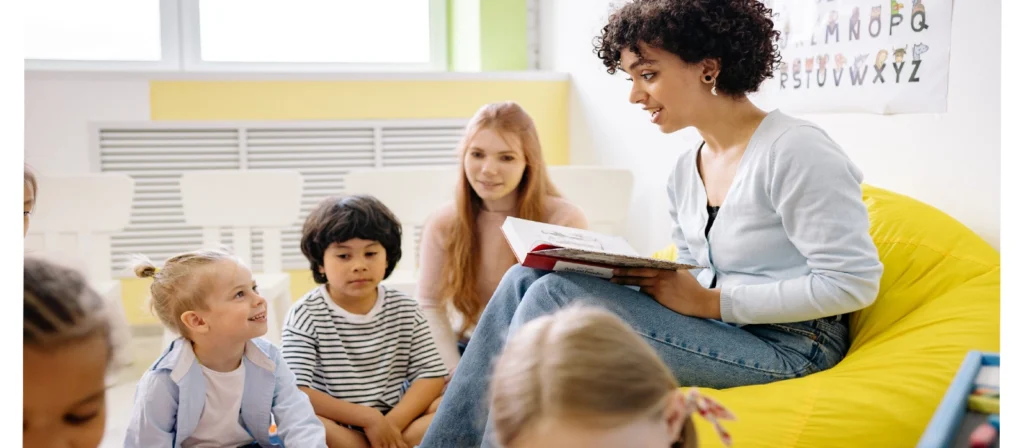
Some children adjust quickly to a preschool Routine while others take a little longer to feel secure. A caring and consistent approach helps every child settle into the Children’s Daily Routine with confidence. These tips offer gentle ways for teachers and families to support children through the early stages of adjustment.
- Gentle First Weeks:
Short introductions, calm mornings and simple explanations help children feel familiar with the new environment. A slower pace during the first days makes the routine easier to accept. - Consistent Language:
Using the same short phrases at home and school helps children understand what to expect. Predictable wording builds confidence during transitions. - Choices Within Structure:
Offering small choices such as selecting a book or choosing a center gives children a sense of control while still following the routine. - Emotion Acknowledgment:
Noticing and naming feelings helps children feel understood. A calm response encourages them to move to the next part of the day with reassurance. - Home School Connection:
Families can talk positively about preschool, keep steady home routines and ask simple questions about the day. This creates continuity between school and home.
A classroom arranged with these clear zones helps children understand the flow of the day, move more independently and participate confidently in each part of the Children’s Daily Routine.
Conclusão
A well structured Children’s Daily Routine gives young children the predictability they need to feel secure, stay focused and move confidently through each part of the preschool day. When the preschool Routine includes clear activity blocks, gentle transitions, balanced play and learning moments and a supportive classroom layout, children settle more quickly, build independence and participate with greater joy and comfort. This steady rhythm helps them develop positive habits that strengthen both learning and emotional well being.
Perguntas frequentes
1. Why is a Children’s Daily Routine important in preschool?
A consistent routine helps children feel secure, understand expectations and transition smoothly between activities, supporting both learning and emotional stability.
2. What should be included in a preschool Routine?
A balanced routine typically includes arrival time, learning centers, outdoor play, meals, small group activities, rest time and a closing period.
3. How does a daily routine support children’s independence?
Repeated daily patterns allow children to learn simple steps such as cleaning up, washing hands and preparing for activities without constant reminders.
4. How can families help children adjust to the preschool Routine?
Families can support adjustment by keeping steady home routines, using consistent language and talking positively about daily school activities.
5. How does classroom layout affect the Children’s Daily Routine?
Clear activity zones, accessible materials and well organized spaces make transitions easier and help children understand where different parts of the day take place.