
 Turkish
  English
  Arabic
  French
  Italian
  German
  Spanish (Spain)
  Thai
Thai  Japanese
  Indonesian
  Vietnamese
  Polish
  Portuguese
  Malay
Malay  Swedish
  Spanish (Mexico)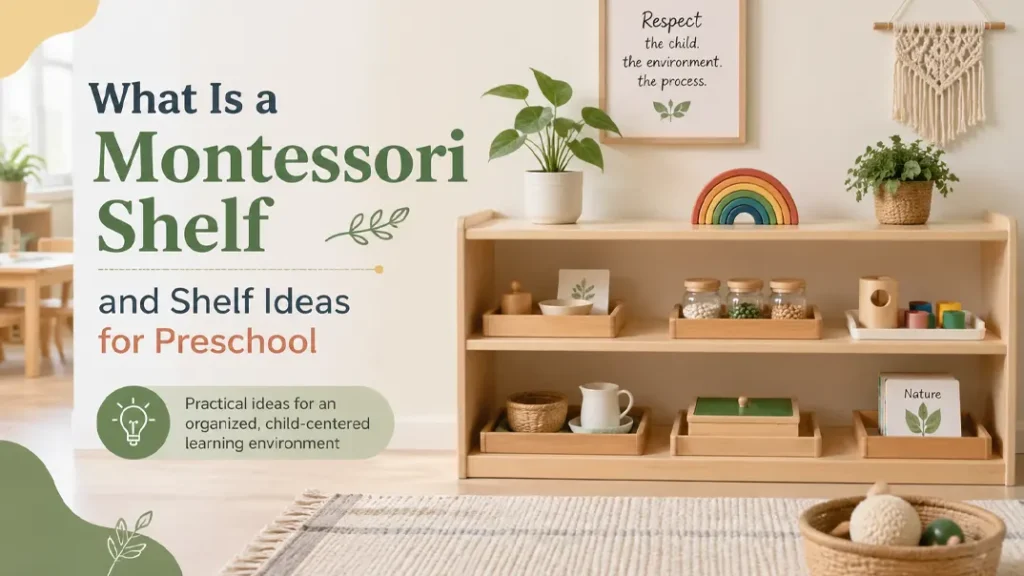
When people first hear the term Montessori shelf, they often think it is simply a low shelf for storing toys and classroom materials. In fact, it plays a much bigger role in a child’s learning environment. A Montessori shelf designed to let children easily see, choose, and return their own learning materials without depending on adults. Its purpose is to support independence, concentration, and a natural sense of order from an early age.
In this guide, we will look at what is a Montessori shelf, how to choose the right one, and practical shelf ideas for preschool classrooms.
What Is A Montessori Shelf?
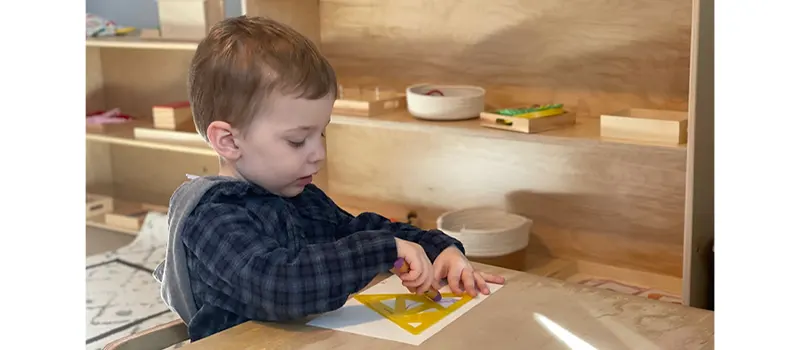
A Montessori shelf is part of the prepared environment in a Montessori classroom, designed to make Montessori materyalleri accessible, organized, and inviting for children. It is usually low, open, and simple in structure, allowing children to move freely and interact with materials independently without waiting for adult assistance.
What makes it different from regular sınıf depolama is its purpose. A Montessori shelf is arranged to support learning, not just to hold supplies. Each material is carefully selected, placed in a fixed position, and presented in a way that encourages children to explore, use, and return it on their own. The shelf helps turn everyday classroom routines into part of the learning process, supporting independence, focus, and responsibility naturally.
Key Features of the Montessori Shelf
A Montessori shelf is designed with simplicity and purpose. Its structure follows Montessori principles, where accessibility, order, and independence are built into the furniture itself.
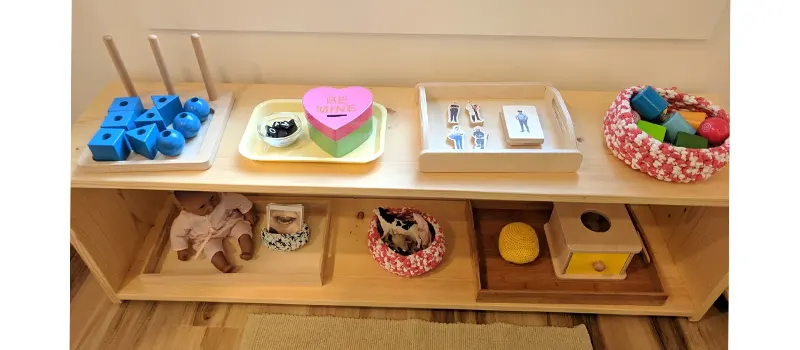
- Low Height for Easy Child Access: The shelf should be low enough for children to reach materials without adult help. This supports independence and reduces unnecessary teacher intervention.
- Open and Visible Display: Montessori shelves are usually open, and materials stay fully visible. This helps children make choices more easily and keeps the classroom visually clear and inviting.
- Limited and Organized Materials: The Montessori shelf does not hold too many items. Each activity has its own space, and only a small number of carefully chosen materials are displayed at one time. Too many choices can create distraction, while a simple layout helps children stay focused.
- Natural Materials and Simple Design: Professional Montessori shelves are made from solid wood or high-quality plywood because natural materials create a warmer and calmer learning space. Clean lines and simple colors help reduce visual clutter and keep attention on the learning materials.
What Are the Benefits of a Montessori Shelf?
The benefits of a Montessori shelf come from how children interact with it every day. It helps shape behavior, supports learning habits, and improves the overall classroom environment. A well-prepared shelf becomes part of the teaching process itself.
Bağımsızlığı teşvik eder
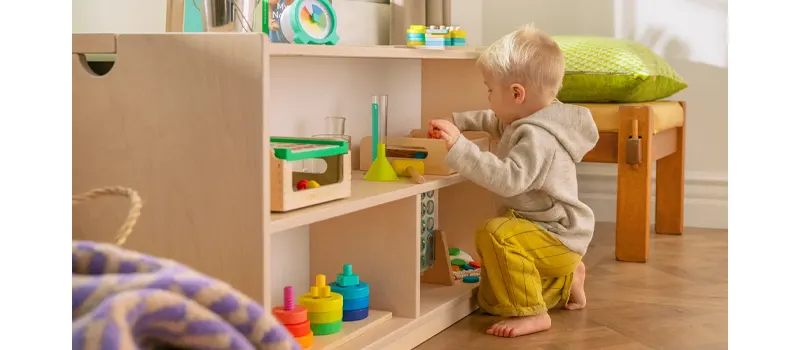
Children learn to choose their own work, carry materials independently, and return them after use. This builds confidence and helps them develop responsibility through everyday classroom routines instead of direct instruction alone.
Strengthens Focus and Work Habits
When only a limited number of materials are displayed, children are less likely to feel overwhelmed. They can focus more easily on one activity at a time, which supports longer concentration and stronger work habits.
Builds a Sense of Order
Children begin to understand that every material has a place and every activity has a process. This repeated experience helps them develop internal order, self-discipline, and respect for the classroom environment.
Makes Sınıf Yönetimi Easier
Teachers spend less time organizing supplies, reminding children to clean up, or controlling every transition. A well-arranged shelf helps daily routines run more smoothly and makes the classroom easier to manage.
Supports Self-Directed Learning
Children are free to choose activities based on their own interests and readiness. This creates a more active learning experience where children participate because they want to learn, not simply because they are told to.
How to Set Up a Montessori Shelf?
Setting up a Montessori shelf is not just about putting materials on a shelf neatly. The real goal is to create a space where children can choose work by themselves, use it independently, and return it to the right place without constant help from teachers.
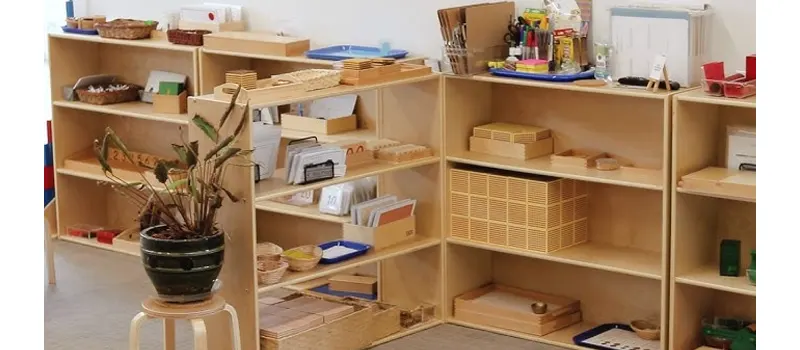
Doğru Lokasyonu Seçin
The shelf should be placed close to the activity area it supports. For example, practical life shelves work better near sinks or handwashing areas. Reading shelves should be in quiet corners with less classroom traffic.
Avoid placing shelves in busy walkways. Children need enough space to carry trays safely and move without interruption.
Montessori shelves can also work as natural room dividers. Instead of using walls or large furniture, low open shelves can separate reading areas, practical life zones, and quiet work spaces while still keeping the classroom open and easy for teachers to supervise.
Keep Shelves at Child Height
Children should be able to see every material clearly and reach it without asking for help. For toddlers, shorter two-tier shelves are often enough. For preschool classrooms, several low three-tier shelves usually create better learning zones.
Always choose shelves based on the child’s height, not the adult’s convenience.
Do Not Overfill the Shelf
A Montessori shelf should never look crowded. Too many materials create a distraction and make children unsure where to start. Fewer choices help children focus better and use materials with more purpose.
Leave clear space between trays, baskets, and activities. Empty space is not wasted space. It helps children feel calm and makes each material more inviting.
Group Materials by Learning Area
Children understand the classroom better when materials are grouped by purpose.
- Pratik Yaşam: Focuses on everyday activities such as pouring, spooning, dressing, cleaning, and food preparation, helping children develop independence, coordination, and concentration.
- Duyusal: Includes materials that help children refine their senses by exploring size, shape, color, texture, sound, smell, and weight through hands-on experiences.
- Dil: Supports spoken language, vocabulary building, letter recognition, phonics, reading preparation, and early writing through carefully prepared language materials.
- Matematik: Helps children understand numbers, quantity, sequencing, patterns, and basic operations through concrete materials before moving to abstract thinking.
- Kültürel: Covers science, geography, botany, zoology, history, and world knowledge, helping children understand their environment and develop curiosity about the wider world.
This makes it easier for children to find what they need and return materials correctly after use. It also helps teachers manage material rotation and keeps the classroom more organized every day.
Arrange from Simple to More Challenging
Montessori shelves should guide learning naturally. Simple activities should come first, while more difficult work can be placed later. Many classrooms arrange materials from left to right and from top to bottom.
This helps children follow a clear learning path and quietly supports early reading direction later on.
Rotate Materials with Purpose
Not every material needs to stay on the shelf all year. Some activities become too easy. Others may no longer match the child’s current interests.
Instead of changing everything at once, rotate only a few materials at a time. This keeps the classroom fresh while still giving children a sense of familiarity and routine. Good rotation is based on observation, not just schedule.
Keep Everything in a Fixed Place
Every material should have a clear home. Children should know exactly where to find an activity and where to return it after finishing. This helps build responsibility and creates a stronger sense of order.
Teachers should check shelves daily to keep them complete, clean, and ready to use. Consistency is one of the most important parts of the Montessori shelf setup. When children trust the environment, they learn to manage it independently.
Montessori Shelf Ideas for Different Age Groups
Arranging your Montessori shelf effectively means adapting the height and the number of displayed materials to match specific age capacities.
Infant (0–18 Months)
For infants, the shelf should stay close to floor level and be easy to reach safely. Since babies often pull themselves up using furniture, the shelf must be heavy, stable, and securely positioned.
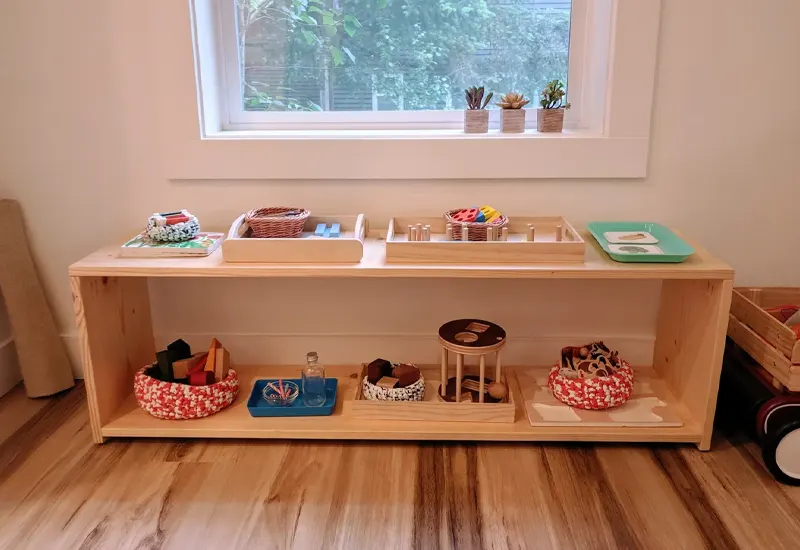
Materials should focus on sensory exploration, basic movement, and practical life activities. Soft baskets, grasping toys, simple stacking materials, object permanence boxes, mirrors, and early fine motor activities work well at this stage. Avoid placing too many colorful toys together. Keep the number of items limited and leave enough open space to avoid overstimulation.
Toddler (18 Months–3 Years)
For toddlers, two-tier Montessori shelves are often the most practical choice. Children at this age are highly active, developing coordination quickly, and beginning to complete simple tasks independently.
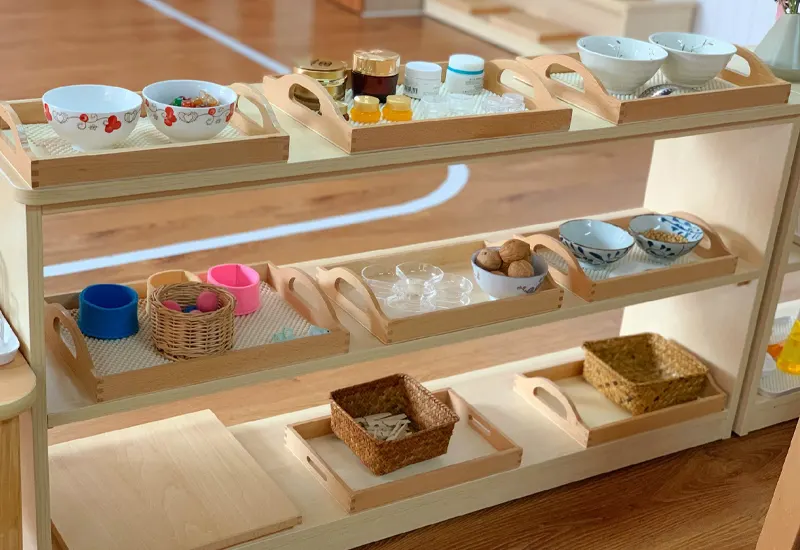
A great layout strategy for this group involves placing heavier wooden trays or larger activities strictly on the bottom tier. On the top tier, you can present highly engaging items that require more precision, such as basic puzzles or knobbed cylinders. This specific placement naturally prompts the child to use both hands to carefully lift and transport their chosen work to a nearby floor mat.
Preschool (3–6 Years)
For preschool children, classrooms usually use several three-tier Montessori shelves to create clear learning zones for different subjects. At this stage, children can handle more choices, longer work periods, and more structured learning activities.
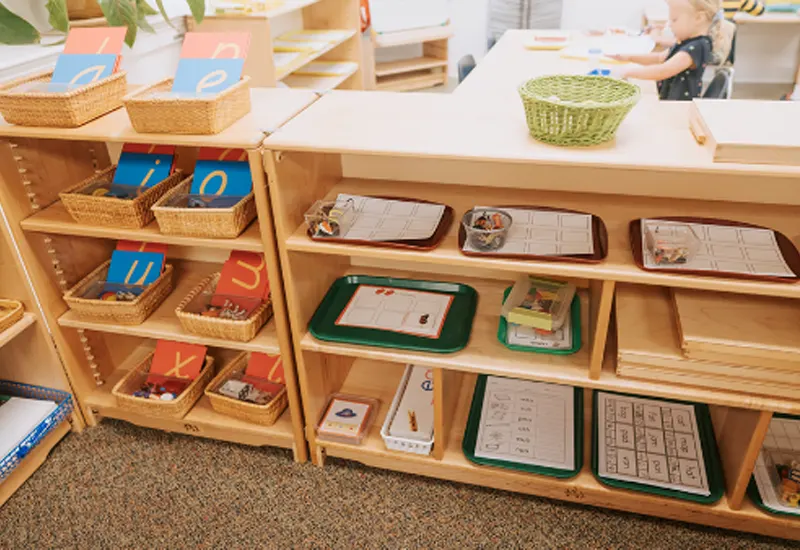
Preschool shelves can include more structured learning materials. Practical life trays, pouring activities, puzzle work, language cards, counting materials, art supplies, and sensorial materials are commonly used. Each activity should have its own fixed place, and children should be able to complete the full work cycle independently, from choosing to returning. You can organize the materials from left to right and top to bottom in order of difficulty. This visual arrangement subtly prepares them for reading and writing directions.
How to Choose the Right Montessori Shelf for Your Classroom?
Choosing the right Montessori shelf needs to match the children’s age, fit the sınıf düzeni, and support daily learning routines. A good Montessori shelf should be safe, durable, easy for children to use, and practical for teachers to manage.
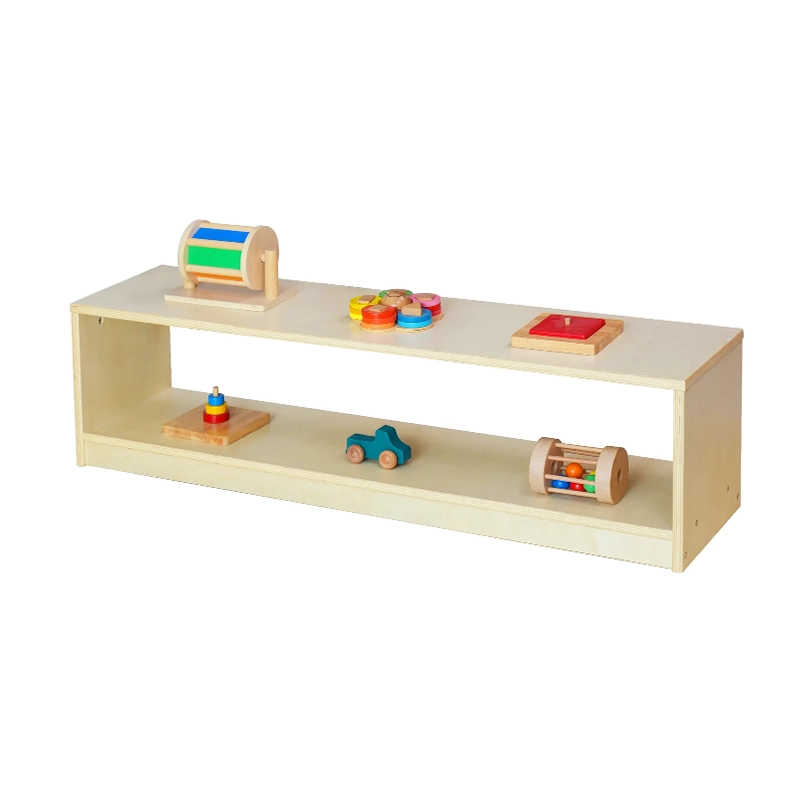
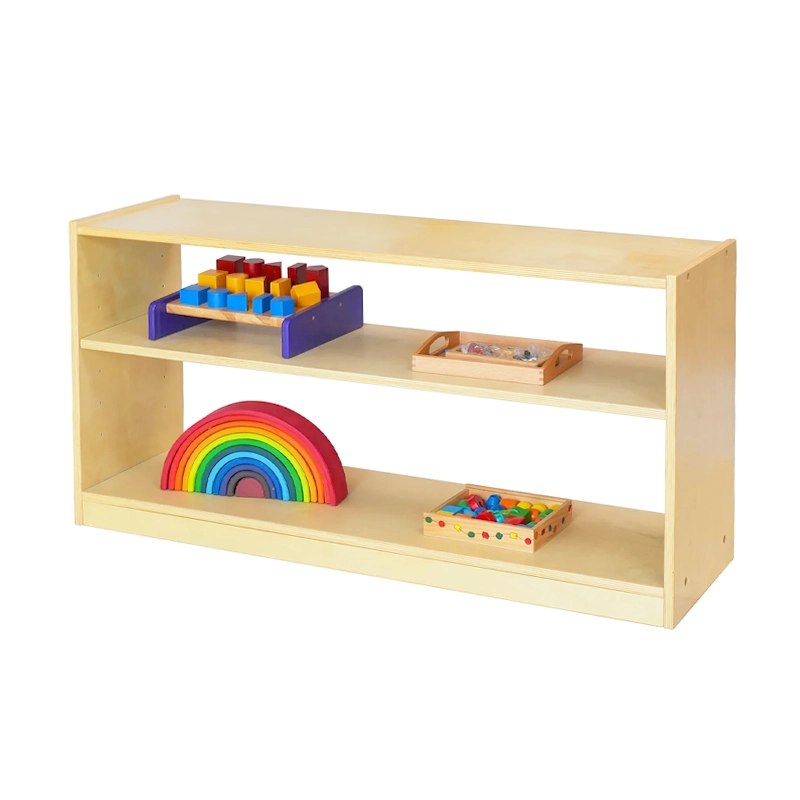
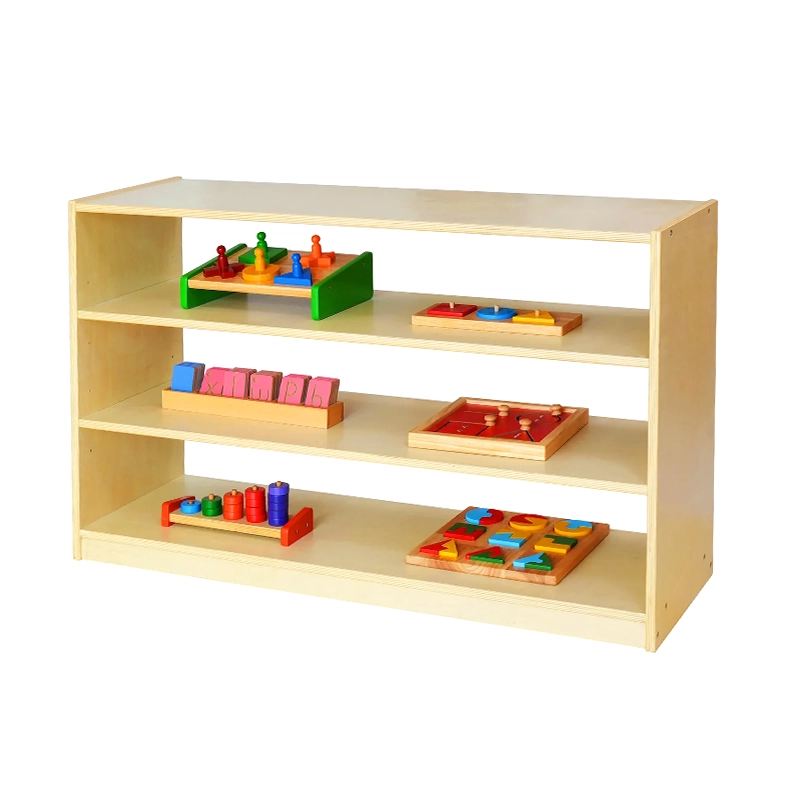
- Choose the Right Height: The shelf height should match children’s reach.
- Check the Shelf Depth: A Montessori shelf should not be too deep. A suitable depth should allow trays, baskets, and learning materials to sit clearly at the front, making the shelf easier for children to manage.
- Look for an Open Front Design: Montessori shelves should keep materials visible. Avoid closed cabinets, deep cubbies, or shelves with doors.
- Prioritize Stability: The shelf must stay steady during daily use. Choose shelves with a wide base, solid structure, and enough weight to reduce tipping risk.
- Choose Safe Edges and Corners: Rounded corners, smooth edges, and polished surfaces help reduce bumps and scratches. Avoid sharp corners, rough finishes, or exposed hardware that may affect safety during daily classroom use.
- Select Durable Materials: Solid wood, birch plywood, and other strong wooden materials are good choices for Montessori classrooms because they are durable, stable, and visually calm. The surface should be smooth, easy to wipe clean, and suitable for frequent handling.
- Keep the Design Simple: A Montessori shelf should not visually compete with the materials. Simple shapes, natural wood tones, and neutral finishes usually work best. Bright colors, heavy decoration, or overly playful shapes will distract children from the activities on the shelf.
- Consider Modular or Custom Options: Different classrooms need different shelf combinations. Modular or custom shelves make it easier to match the classroom layout, age group, and material quantity.
Çözüm
The true value of the Montessori shelf lies in its ability to translate an abstract educational philosophy into practical classroom routines. By prioritizing open, accessible, and highly organized display units, educators create an environment where children can confidently make choices and maintain deep focus.
This core philosophy extends beyond a single display. A truly effective learning environment requires every piece of preschool furniture to work together. When the tables, seating, and storage units share the same child-focused design, the entire room becomes a cohesive space that promotes calm and engaged learning.
Şu anda Xiair, we provide complete Montessori classroom solutions, including Montessori furniture, Montessori materials, and full classroom layout planning. Whether you are setting up one classroom or an entire preschool, we help create practical, child-centered spaces designed for long-term learning and daily use.
SSS
What is the purpose of a Montessori shelf?
The purpose of a Montessori shelf is to support independent learning by giving children easy access to carefully prepared materials. Instead of relying on teachers to hand out activities, children can choose their own work, complete it independently, and return it to the correct place. This helps build confidence, responsibility, concentration, and a natural sense of order in the classroom.
How many toys are on a Montessori shelf?
The exact number depends on the size of your storage unit and the developmental stage of the children, but a general guideline is to display between eight and twelve total activities. For a standard three-tier display, this means placing roughly three to four distinct trays or baskets on each level. You must make deliberate trade-offs to avoid overcrowding.
How often should Montessori shelf materials be rotated?
Montessori shelf materials are usually rotated based on children’s interest, skill level, and classroom needs rather than a strict schedule. Many teachers review shelves every one to two weeks and replace activities that are no longer being used or have become too easy. Small changes work better than replacing everything at once because children still need consistency and routine.
Can Montessori shelves be used in traditional preschool classrooms?
Yes. Even if a classroom does not fully follow the Montessori method, Montessori shelves can still improve classroom organization and support children’s independence. Low open shelves help children see materials clearly, make their own choices, and learn responsibility through daily routines.
Do you provide Montessori shelf layout suggestions?
Yes. At Xiair, we can help plan Montessori shelf placement based on your room size, floor plan, age group, and classroom goals. This includes shelf quantity, learning area division, traffic flow, and matching furniture suggestions.
Can Montessori shelves be customized for our classroom size?
Yes. Montessori shelves can be customized based on your classroom layout, age group, storage needs, and learning area design. For preschools and daycare centers, custom sizing helps make better use of space and creates a more organized classroom flow.