Blog

Welcome to our blog! Here, you’ll find easy and practical tips for early childhood education, fun activity ideas, and insights on Montessori. Whether you’re a teacher or a parent, there’s plenty here to inspire you and make learning more enjoyable and meaningful for kids!

Attachment Theory
Educational Theories

How Bowlby Attachment Theory Supports Better Preschool Learning Environments

This article explores the practical application of bowlby attachment theory in early childhood education, with a special focus on preschool space planning and furniture design. By understanding how secure attachment forms the foundation of children’s emotional and social development, educators and school furniture suppliers can create child-centered environments that support confidence, resilience, and lifelong learning.

Read More »
Teaching-Gratitude-to-Children-Should-Begin-at-an-Early-Age
Parenting & Guidance

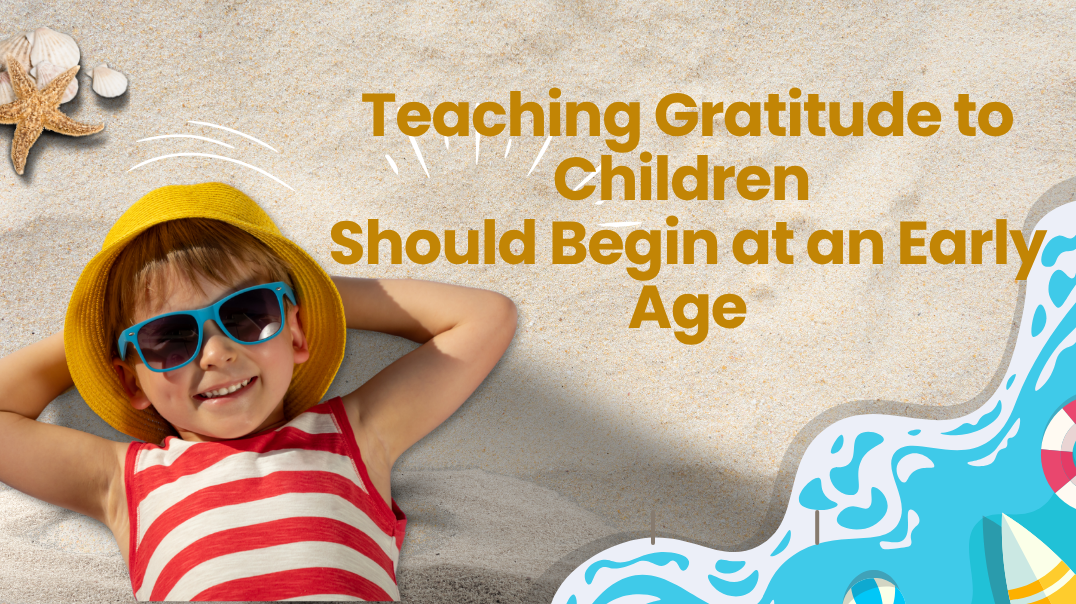
Teaching Gratitude to Children Should Begin at an Early Age

Teaching gratitude to children builds empathy, emotional strength, and kindness. Through Montessori-inspired routines, daily habits, and engaging activities like drawing, storytelling, and thank-you crafts, children can develop a lifelong attitude of appreciation and social awareness—starting as early as age 2.

Read More »
Receptive and Expressive Language
Child Development

What Is Receptive and Expressive Language: Differences, Examples, and Milestones

This article explores the differences between receptive and expressive language, provides clear examples of each, outlines developmental milestones, and offers guidance for parents and educators. Whether you’re tracking your child’s language growth or supporting someone with a speech delay, understanding these foundational aspects of language development is crucial.

Read More »
The Lev Vygotsky Theory
Educational Theories

Lev Vygotsky Theory Shaping the Future of Preschool Learning Spaces

This in-depth guide explores how the Lev Vygotsky Theory applies to modern preschool education. It connects key concepts like the Zone of Proximal Development (ZPD), scaffolding, and social interaction to practical classroom strategies and product design. Perfect for educators and early learning suppliers looking to create environments that truly support child development through intentional, theory-based setups.

Read More »
What Toy Would a Preschooler Play With
Child Development

What Toy Would a Preschooler Play With at Different Developmental Stages?

Preschoolers develop rapidly, and the toys they engage with can significantly influence their learning, motor skills, and social abilities. This article helps you understand what toy would a preschooler play with at different stages of development. It offers clear, age-appropriate toy suggestions that support learning, creativity, and physical growth. Perfect for parents and caregivers who want to choose the right toys for their preschooler’s changing needs.

Read More »
Anecdotal Records
Classroom Environment

Anecdotal Records in Early Childhood Education: What, Why, and How

This article delves into what anecdotal records are, the reasons they are crucial for understanding and supporting young learners, and how educators can create and use them effectively. With a focus on practical application and developmental relevance, this guide provides early childhood professionals with the tools to document observations meaningfully, enhance curriculum planning, and foster strong partnerships with families.

Read More »

Start Your Preschool or Center Furniture Project

Fill in a few details, and our design team will provide a custom layout plan and proposal within 48 hours.
We specialize in multi-classroom and full-school projects.