 English
  Arabic
  French
  Italian
  German
  Spanish (Spain)
  Thai
Thai  Japanese
  Turkish
  Indonesian
  Vietnamese
  Polish
  Portuguese
  Malay
Malay  Swedish
  Spanish (Mexico)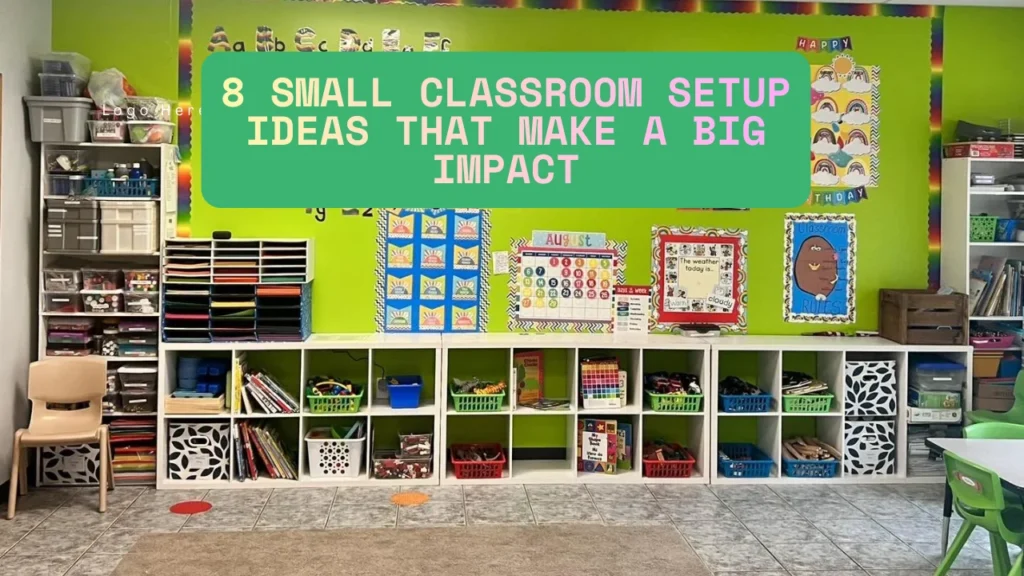
Small classrooms bring big challenges. Limited space makes it tough to fit in all the essentials like learning centers, storage, student movement, and flexible seating without feeling cramped. Many teachers ask the same question: how can a small room support big learning?
The key lies in strategic setup and intentional design. With the right layout, even a compact space can feel open, organized, and responsive to student needs. Smart choices in furniture, storage, and visual cues can transform how a room functions and how children learn in it.
In this article, you will find 8 high-impact small classroom setup ideas designed to help you make the most of every inch. Whether you are redesigning or starting from scratch, these tips will help you create a space that is functional, welcoming, and built for better learning flow.
What Makes a Great Small Classroom Setup So Important Today?
A well-designed small classroom setup is more than just a tidy room arrangement. In today’s learning environments, where space is limited and class sizes are rising, how a small classroom is organized has a direct impact on teaching and learning. A thoughtful setup improves student engagement, reduces distractions, and makes the most of every square foot.
Smart small classroom setup ideas help create defined zones for learning, reduce visual clutter, and make movement around the room easier. When students clearly understand how the space works, where materials belong, how seating is arranged, and what each area is intended for, they feel more in control and more focused. Teachers benefit as well with smoother transitions, easier classroom management, and faster access to teaching tools.
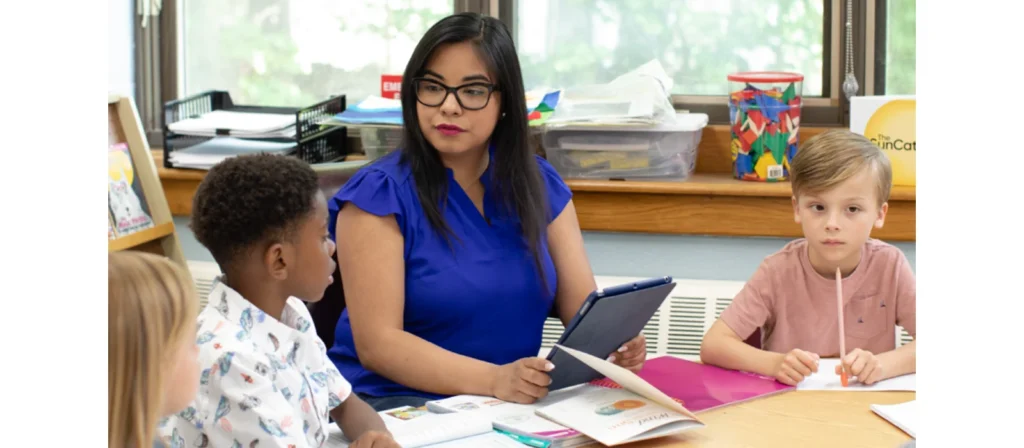
Small classrooms can feel overwhelming when poorly arranged. But with the right setup strategy, they can become inviting, flexible learning environments. A well-planned layout not only makes teaching more efficient but also strengthens student participation, encourages independence, and creates a calm, focused atmosphere.
In the sections ahead, we will explore eight high-impact small classroom setup ideas that can make even the tiniest room feel open, organized, and ready for learning.
8 Small Classroom Setup Ideas That Make a Big Impact
Working with a small classroom can be challenging. There is never quite enough space, and every item you bring in needs to earn its place. Still, with some creative thinking and a clear plan, a small space can feel just as functional and welcoming as a much larger one.
This is not about doing more with less. It is about doing better with what you have. From storage hacks to furniture that adapts to your needs, these small classroom setup ideas are designed to help you organize smarter, reduce clutter, and support how your students learn best.
Here are eight practical ideas you can try right away to make your small classroom work better for everyone in it.
1. Use Vertical Space to Expand Storage
In a small classroom, floor space is often the first limitation. That is why thinking vertically is one of the most effective ways to maximize both storage and functionality. Walls are rarely used to their full potential, yet they offer prime real estate for shelves, bins, hooks, and even foldable workspaces.
Install shelving units that reach higher up the wall to hold supplies, manipulatives, or seasonal learning materials. Use labeled containers or clear bins to keep everything organized and easy to identify. Magnetic strips or cork boards can be placed at student eye level to display rotating content like vocabulary words or class goals without cluttering tables or desks.
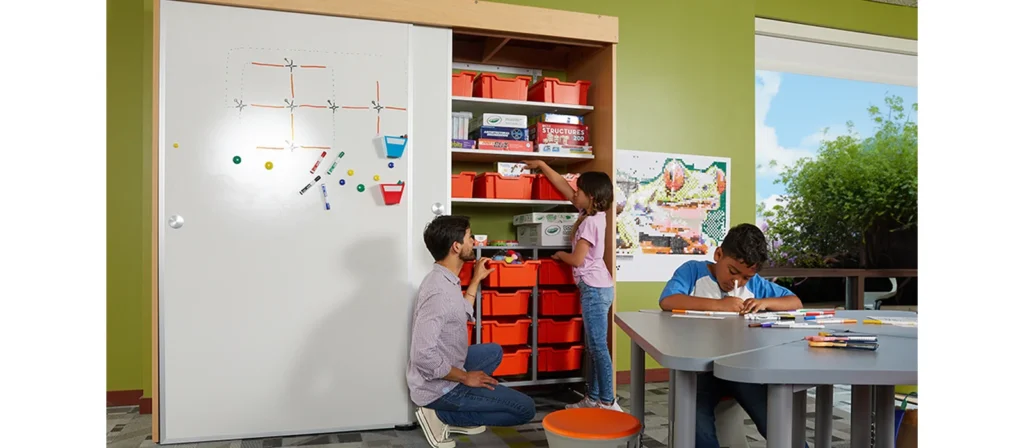
Teachers can also mount clipboards, file folders, or hanging organizers near their workstations to store papers, lesson plans, and daily tools. For classrooms that cannot install permanent fixtures, there are many over-the-door and suction-based solutions that provide vertical storage without damaging walls.
By using vertical space, you clear the floor for movement and learning while still keeping everything within easy reach. It is a simple shift that makes your small classroom setup feel more open, more structured, and much easier to manage.
2. Opt for Flexible, Multi-Use Furniture
In a small classroom, every item you place should serve more than one purpose. That is why flexible, multi-use furniture is one of the smartest investments you can make. It allows you to adapt your classroom setup to different activities, group sizes, and teaching styles without overcrowding the room.
Look for furniture that can be easily moved, folded, or reconfigured. Stackable chairs, collapsible desks, and nesting tables help you reclaim space when they are not in use. Ottomans with built-in storage or benches that double as supply bins are perfect for keeping materials accessible yet out of sight. If you use learning centers, rolling carts or mobile workstations can make transitions quick and seamless.

Adjustable-height tables or desks can also be repurposed for different grade levels or shared teaching spaces. In resource rooms or classrooms that serve multiple functions throughout the day, these flexible pieces offer much-needed versatility without sacrificing comfort or style.
When your furniture works harder, your small classroom setup becomes more efficient. It supports everything from quiet independent work to busy group projects, all without feeling cramped or chaotic.
3. Create Defined Zones for Activities
When space is limited, clarity becomes essential. One of the most effective ways to bring order to a small classroom is by creating clearly defined zones for different types of activities. Even in tight quarters, designating areas for learning, storage, creativity, and quiet time helps students know what is expected and where things belong.
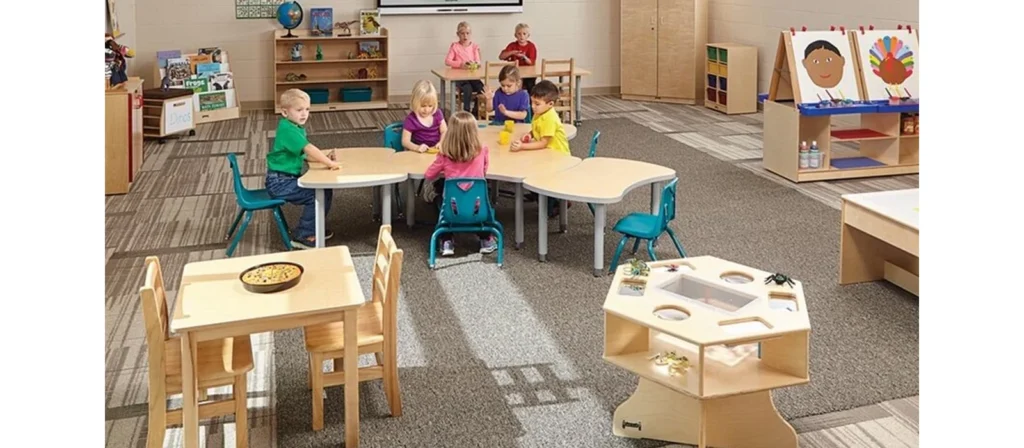
Start by identifying the main functions your classroom needs to support. These might include a group instruction area, a reading nook, a materials station, a quiet work space, or a center for hands-on learning. Use low shelves, rugs, or color-coded furniture to subtly divide the room without adding bulk. Each zone should have a specific purpose and visual cues that reinforce its use.
Defined zones also help manage classroom behavior. When students transition between activities, they move with intention rather than confusion. This reduces downtime and minimizes distractions. For example, a soft rug in the reading corner signals calm and focus, while a table with supplies invites hands-on exploration.
Even in very small classrooms, zones create a sense of structure and predictability. They help you maintain flow and reduce clutter, making your small classroom setup feel more spacious and more manageable.
4. Use Light Colors and Strategic Lighting
Light has a strong impact on how a space feels. In a small classroom, the right color palette and lighting can make the room look bigger, calmer, and more welcoming. These changes do not require major renovations, just thoughtful choices that work with what you already have.
Start with color. Soft white, pale blue, light gray, and pastel tones reflect both natural and artificial light. These shades help walls seem farther apart and make ceilings feel higher. Avoid dark or bold colors, which can make the space feel closed in. Try to carry the same light color scheme across furniture, bins, and wall displays to reduce visual clutter.
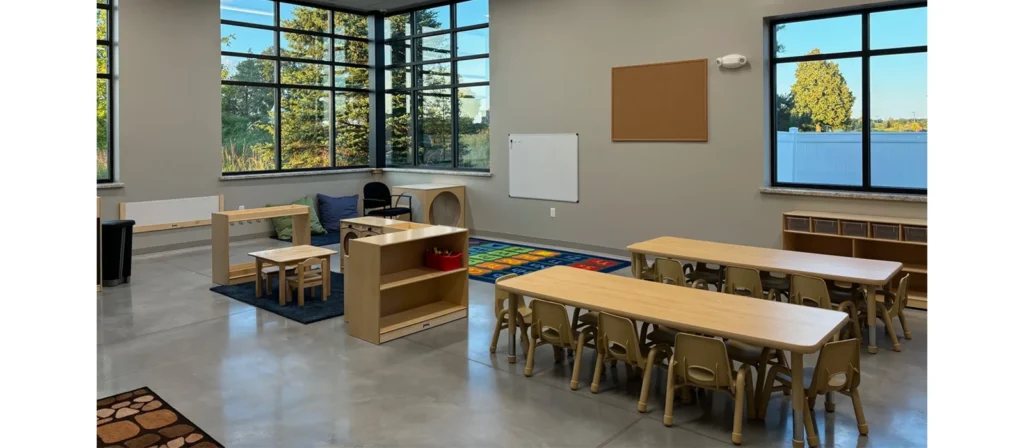
Lighting is just as important. If your room has windows, keep them free of heavy curtains or blocked areas. Use sheer curtains or adjustable blinds to let in as much natural light as possible. Add task lighting near reading corners, centers, or your desk so that every part of the room stays bright and functional. LED lamps or wall-mounted lights are good choices when space is limited.
A well-lit classroom feels clean and open. With light colors and smart lighting, your small classroom setup can feel more spacious and much more comfortable for learning.
5. Incorporate Mobile Storage Solutions
Storage is often one of the biggest challenges in any small classroom setup, but mobile storage solutions can dramatically improve flexibility and organization. Instead of filling your space with bulky, fixed cabinets, choose classroom storage that moves with your daily needs.
Rolling carts offer one of the most practical storage ideas for a small classroom. They are perfect for storing art supplies, manipulatives, books, or tech tools. You can roll them out during activities and easily tuck them away afterward to keep your space open and clutter-free. Many carts come with bins or drawers, making it easier to sort items by type or subject.
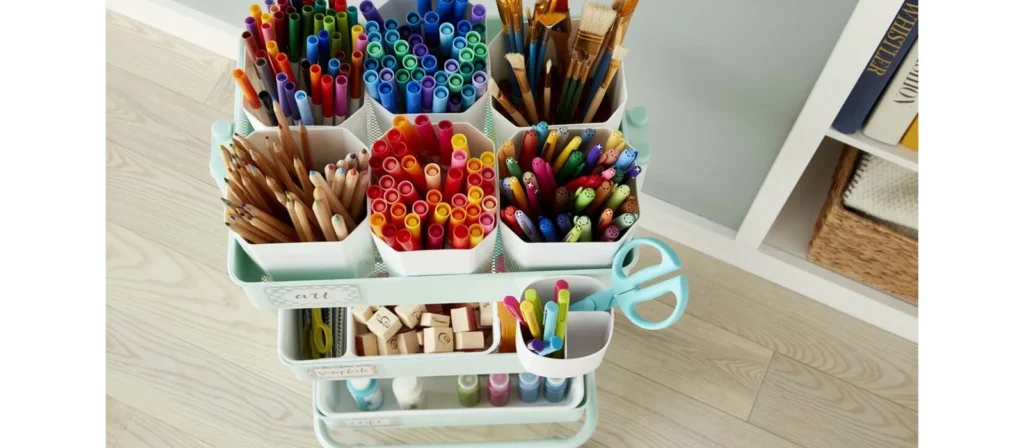
Clear containers with handles are another smart classroom organization tool. They fit under tables or inside cubbies and work well when clearly labeled. This small classroom storage tip encourages students to locate and return materials on their own, building independence.
For classrooms used for multiple purposes throughout the day, mobile storage offers a fast, effective way to reset your layout. These flexible solutions help you maintain an organized, student-ready environment no matter how small your space.
6. Integrate Visual Cues and Labels
In a small classroom, every second and every decision count. One of the most effective and low-effort small classroom organization ideas is to integrate visual cues and clear labels. These tools help students stay on task, follow routines, and reduce the need for repeated instructions.
Start by labeling all shelves, bins, and work areas using large, consistent fonts and a simple color scheme. Younger children benefit from picture-word combinations, while older students prefer clean text labels that make it easy to locate materials. This small classroom setup strategy builds independence and saves teaching time.
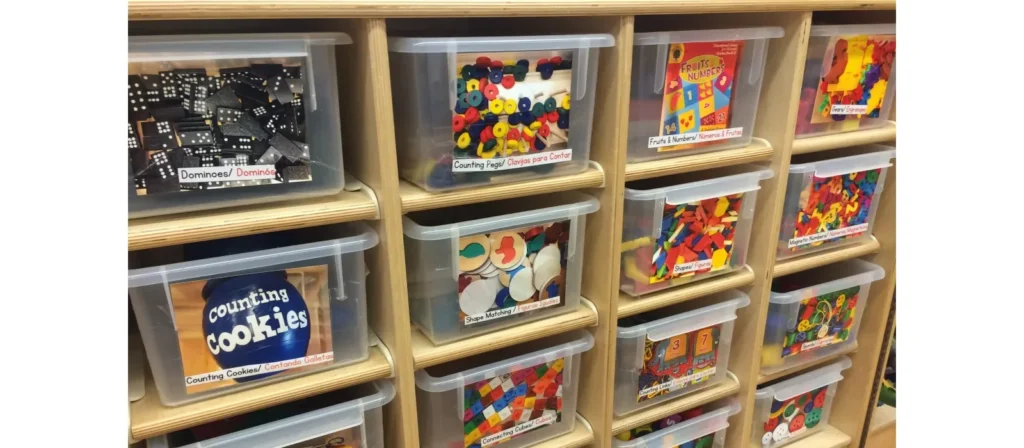
Visual cues can include arrows to guide movement, colored dots for lining up, or folders color-coded by subject. Post class schedules, daily routines, or step-by-step instructions where students can see them. When your small classroom design includes these visual systems, it becomes more structured, calm, and student-friendly.
By minimizing verbal clutter and maximizing clarity, visual labels create an organized small classroom environment that supports better learning and smoother transitions throughout the day.
7. Streamline the Teacher’s Desk Area
In a small classroom setup, your desk should function as a command center, not a cluttered catch-all. When the teacher’s space is well organized, the entire classroom tends to follow. A tidy and purposeful desk sets the tone for structure, creates more usable space, and helps you stay focused throughout the day.
Start by keeping only what you truly need within reach. Focus on essentials like lesson plans, attendance sheets, timers, and a few personal items. Everything else should be stored elsewhere. Use drawer organizers, desktop trays, and vertical file holders to maintain order without letting clutter build up. This is one of the most practical small classroom organization ideas you can apply right away.
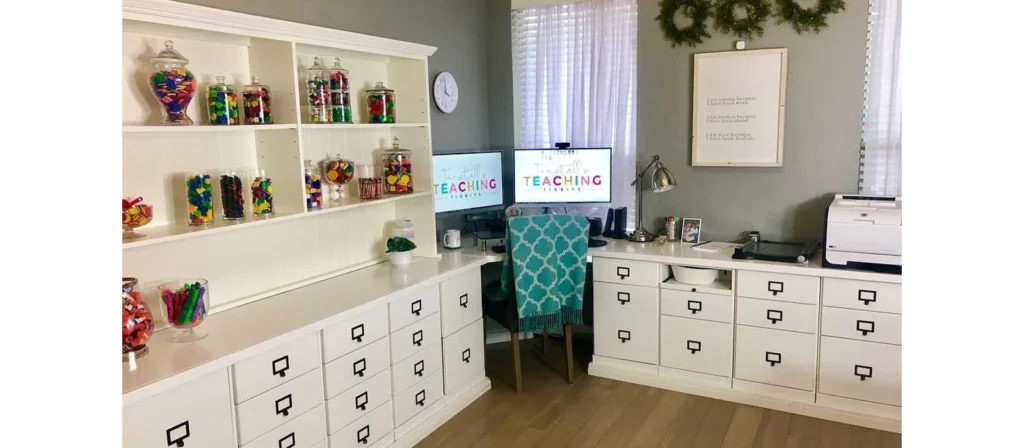
Consider switching to a smaller desk or a table that also serves as a meeting area for students. Wall-mounted organizers, pegboards, or magnetic boards nearby can hold frequently used tools without taking up floor space. A rolling cart beside the desk can serve as a mobile workstation or document center, offering flexibility without sacrificing function.
A streamlined and intentional teacher area reflects strong small classroom design ideas. It models organization for students, supports better classroom flow, and allows the rest of your setup to function more effectively.
8. Embrace Minimalism in Decorations
In a small classroom, decorations can quickly shift from inspiring to overwhelming. While bright posters, themed displays, and student work add energy to the space, too much visual input can create distractions and make the room feel cluttered. Choosing a minimalist approach to decor helps create a calmer, more focused learning environment.
Begin with a simple color palette and stay consistent. Limit wall displays to materials that support your current lessons or classroom routines. Instead of covering every surface, leave intentional blank space to give the eye room to rest. One thoughtfully designed bulletin board with rotating content often makes more impact than a wall filled with competing visuals.
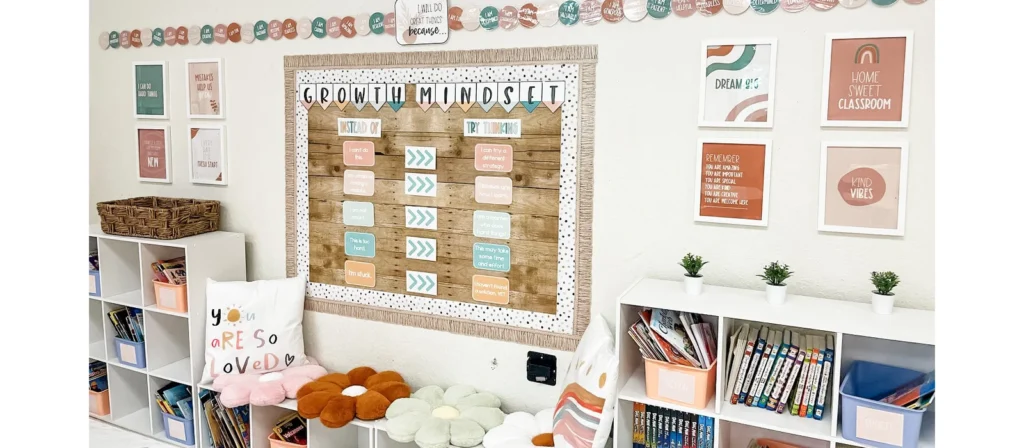
You can still highlight student work in meaningful ways. Choose one display area or hang lightweight strings with clips in a window or corner. Rotate pieces regularly to keep things fresh without overcrowding. Use clean fonts, matching borders, and simple graphics to maintain a cohesive look.
Minimalism is not about removing personality. It is about being purposeful. In tight spaces, even small changes have big effects. When applied intentionally, tiny classroom ideas like visual simplicity make the room feel larger, calmer, and more welcoming for students to learn and thrive.
Common Classroom Challenges (and How to Solve Them)
Even the most thoughtful small classroom setup can run into real-world issues once students are actively using the space. Here are some typical challenges teachers face, why they happen, and simple ways to fix them.
| Challenge | Why It Happens | What You Can Try |
|---|---|---|
| Materials pile up quickly after a few weeks | Storage looks fine at first, but daily use overwhelms small bins or shelves | Rotate materials weekly. Use labeled tubs and assign student helpers to maintain order. |
| Learning zones lose their boundaries | Rugs slide, labels fall off, students forget rules | Reinforce boundaries with floor tape, color-coding, or consistent routines for each zone. |
| Wall displays turn into visual clutter | New posters and work keep getting added without taking old ones down | Schedule a “display refresh” once a month. Prioritize current themes or student goals. |
| Your own workspace becomes a dumping ground | The teacher desk gets overloaded with everything from snacks to lesson plans | Limit items to daily essentials. Use a rolling cart or hanging organizer for overflow. |
| Student movement disrupts others | Not enough space between centers or unclear movement flow | Use arrows or footprints to guide traffic. Adjust layout if students bump into each other often. |
By adjusting for these common issues, your classroom setup stays effective, organized, and easier to manage throughout the school year.
How to Plan Your Own Small Classroom Setup
Once you understand what works and what trade-offs to expect, it is time to take action. Whether you are setting up a new classroom or improving an existing one, these steps will help you plan an efficient small classroom layout that supports both your teaching goals and your students’ needs.
1. Start with your goals
Begin by identifying what your classroom must support, such as whole-class instruction, independent work, group collaboration, reading time, or hands-on centers. Clarifying your priorities helps shape every decision and guides the selection of practical small classroom ideas.
2. Map out your space
Measure your classroom, including walls, windows, outlets, and any fixed furniture. Create a simple sketch or use a free online tool to experiment with layout options before making physical changes. Visualizing the space helps you test different small classroom design ideas before committing.
3. Define your essential zones
Determine the core areas you need, such as a rug space for circle time, a reading corner, or a materials station. Make sure each zone has a clear function and supports smooth student movement. Zoning is one of the most effective tiny classroom ideas for structuring learning activities.
4. Inventory what you already have
Review your current furniture and supplies. Keep only the pieces that align with your updated setup goals. Repurpose or store the rest to reduce clutter. This step ensures your existing materials support the overall layout rather than interfere with it.
5. Think vertical and flexible
Choose furniture that stacks, rolls, folds, or serves multiple functions. Use wall space for shelves, hooks, or display boards to free up the floor. Integrating these flexible pieces makes your small classroom layout more adaptable and responsive to changing needs.
6. Get students involved
When possible, include students in the setup process. Ask for their input on what works well or where they feel comfortable. Involving learners builds ownership and encourages responsible use of the space while generating fresh small classroom ideas from their perspective.
7. Test and adjust as needed
Once your classroom is set up, observe how students interact with the space. If a zone feels cramped or a transition is slow, make small adjustments to improve flow and usability. Refinement based on real use ensures your design stays intentional and effective.
Planning a small classroom setup is not about getting everything right the first time. It is about creating a space that grows with your needs and helps your students thrive in a well-organized, thoughtful learning environment.
Smarter Storage Starts Here
Maximize every inch with our compact, kid-safe classroom cabinets. Designed for tight spaces, built for real classrooms.
Shop Space-Saving Storage NowConclusion
Creating a functional and inspiring learning space in a small classroom is absolutely achievable with the right mindset and tools. These small classroom ideas show that success does not come from having more space, but from making smarter decisions. A well-planned small classroom layout can improve focus, support movement, and help both teachers and students feel more at ease throughout the day.
The most effective small classroom design ideas share one thing in common: intention. From vertical storage and mobile furniture to clearly defined zones and simplified decor, each choice should serve a clear purpose. Even tiny classroom ideas can have a big impact when they are thoughtfully applied and adapted to how students actually use the space.
At Xiair World, we design classroom storage and furniture with real classrooms in mind. Our space-saving, kid-safe solutions are built to support flexible layouts and everyday teaching needs. Whether you are refining an existing setup or starting fresh, Xiair World helps turn smart ideas into practical, beautiful learning environments that truly work.
FAQs: Small Classroom Setup Questions Answered
How can I make a small classroom feel less crowded?
Use light colors, limit visual clutter, and keep floor areas open by using vertical and mobile storage. Define clear zones so students know where to go and what to expect in each area.
What type of furniture works best in a small classroom?
Choose furniture that is lightweight, stackable, and serves more than one purpose. Look for desks that can fold, carts that roll, and seating with built-in storage to save space.
How do I organize materials without taking up floor space?
Go vertical. Use wall-mounted shelves, magnetic boards, and hanging organizers. Label everything clearly and store less-used items in bins that can be tucked under tables or inside cabinets.
Can a small classroom still support different learning styles?
Absolutely. Even in limited space, you can create zones for independent work, group projects, and quiet reading. Use flexible furniture and mobile stations to shift the setup when needed.
How often should I update my classroom layout?
It is a good idea to assess the layout every few months or at the start of each term. Pay attention to student movement and feedback to adjust zones or furniture as needed for better flow.