
 Malay
Malay  English
  Arabic
  French
  Italian
  German
  Spanish (Spain)
  Thai
Thai  Japanese
  Turkish
  Indonesian
  Vietnamese
  Polish
  Portuguese
  Swedish
  Spanish (Mexico)
Storytime is one of the most cherished routines in early childhood. But keeping young listeners engaged can be a challenge, especially in a world full of distractions. That’s where interactive storytime comes in. By turning reading into a shared, dynamic experience, you can help children connect more deeply with stories, explore their imaginations, and develop important social and language skills along the way.

What Makes Interactive Storytime So Effective with Kids?
Interactive storytime turns kids from passive listeners into active participants. Instead of just hearing a story, they get to move, speak, imagine, and respond. This makes the experience more engaging and memorable. It also supports how children naturally learn and helps build stronger attention, communication, and emotional connections. Here’s why it works so well.
Engagement Through Participation
Children are naturally active learners. When a story invites them to clap, shout out words, answer questions, or act out scenes, their minds stay focused. Participation gives them a clear role and purpose, which helps extend attention spans and reduce distractions. Instead of drifting off, they stay with the story because they are part of it.
Stimulating Imagination and Play
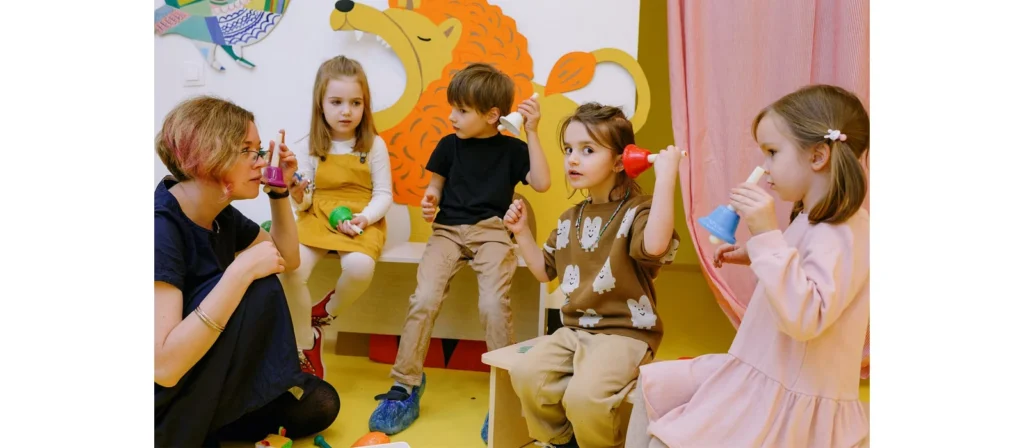
Young children thrive on pretend play and imagination. Interactive storytime encourages them to picture new worlds, pretend to be animals, or decide what happens next. This not only makes stories more exciting but also supports cognitive development. When kids imagine, they are building problem-solving skills and creative thinking, both vital for early learning.
Boosting Language Development
Speaking, listening, and responding are essential parts of language growth. Interactive storytelling encourages kids to repeat phrases, describe what they see, or ask questions. These moments build vocabulary, improve sentence structure, and give children confidence in their own voices. Over time, this leads to stronger reading and communication skills.

Strengthening Emotional Connection
When children feel involved in a story, they connect with it emotionally. That connection makes stories more meaningful and easier to remember. Interactive storytime also builds relationships between the adult and child, whether it is a parent, teacher, or librarian, because the experience is shared, responsive, and full of joy.
Building Confidence and Social Skills
Interactive stories often involve group participation, turn-taking, and speaking aloud. These activities support social-emotional growth. Children practice expressing themselves, listening to others, and working together. This helps shy children come out of their shells and builds a sense of confidence in group settings.
Best Interactive Storytime Ideas
There are countless ways to make interactive storytime more exciting, but the most effective ideas are often the simplest. The goal is to spark children’s imaginations while keeping them engaged and involved. Whether you’re reading at home, in a classroom, or at the library, these creative strategies can help transform any story into a memorable experience kids will want to revisit again and again.
Use Books with Predictable Patterns
Books with repeating phrases or predictable structures allow children to anticipate what comes next. This anticipation not only holds their attention but also encourages them to imagine and participate in the flow of the story. Stories like “Brown Bear, Brown Bear” or “We’re Going on a Bear Hunt” give children clear, rhythmic cues to join in. These books make it easy for kids to feel involved and confident, even if they cannot read yet. They also provide a strong base for imaginative thinking by setting up expectations they can mentally explore or challenge.
Encourage Sound Effects and Silly Voices
Sound effects turn static text into a living world. When a child hears a buzz, swoosh, or meow delivered with energy, it activates their sensory imagination. Using silly voices for characters adds fun while helping children distinguish between personalities and emotions. Invite them to create their own sound effects or copy yours. This engages both auditory and emotional processing, making the story feel more real and memorable.

Let Kids Join Repeated Lines
Repetition is a powerful storytelling tool for young minds. When stories include lines that repeat, such as “He huffed, and he puffed,” kids quickly learn to chime in. This simple act builds confidence and creates a rhythm that deepens focus. More importantly, it allows them to feel like co-authors of the story, encouraging ownership and imagination.
Ask Soalan Terbuka
Instead of questions with one right answer, open-ended prompts like “What do you think happens next?” or “Why did she do that?” encourage creative thinking. These questions shift the child’s role from listener to thinker. They begin to picture alternate endings, character motivations, or new directions the story could take. That mental flexibility supports imaginative development.
Add Movement and Hand Motions
Adding gestures or full-body movement turns reading into an immersive experience. If a character jumps, kids jump. If it is windy, they sway. Physical participation anchors the story in memory and helps children embody characters or events. This strengthens the link between imagination and physical expression, especially for kinesthetic learners.

Invite Kids to Choose What Happens Next
When children get to pick between options, such as “Should the dragon go left or right?” they become co-authors of the story. This element of choice activates decision-making and narrative building. You can do this with branching stories or by pausing a linear story and offering two imaginative possibilities. Their choice adds unpredictability and emotional investment.
Use Puppets and Props Creatively
Puppets give children something tangible to project voices and emotions onto. Even a sock puppet can turn a simple story into a playful performance. Props like toy animals, felt characters, or themed objects help kids visually and physically engage. These tools make abstract ideas concrete and open the door to permainan dramatik, which naturally expands storytelling beyond the page.
Turn Reading into a Guessing Game
Books with clues or surprises naturally invite kids to guess what happens next. When children are prompted with questions like “Can you guess who’s hiding?” or “What do you think is under the flap?” their minds begin to visualize options and make predictions. This guessing activity stimulates imagination, critical thinking, and narrative anticipation.
Sing Along with Rhyming Books
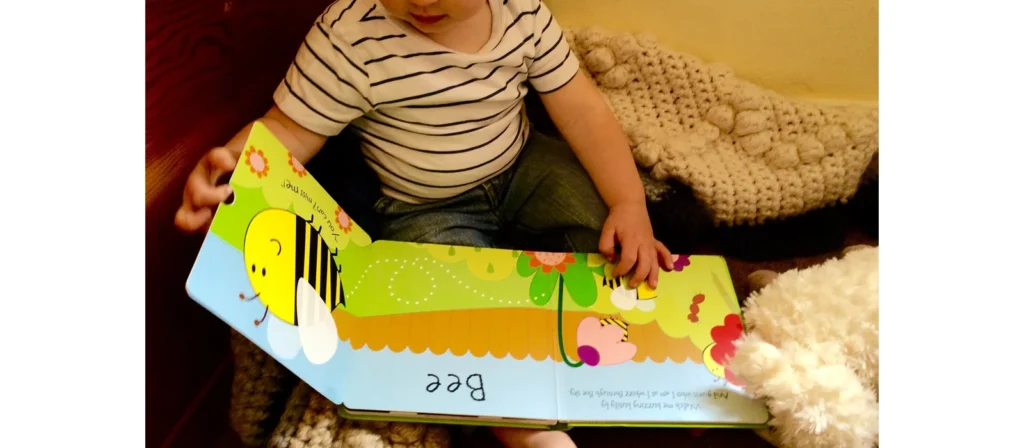
Books with built-in songs or rhyming patterns invite musical interaction. Singing enhances memory and emotional engagement, while rhythm helps children anticipate structure. When kids sing along, they are not just reciting—they are internalizing language and creating mental pictures that go along with the tune. This boosts imaginative recall and enjoyment.
Act Out Stories with Reader’s Theater
Reader’s Theater turns books into simple performances. Assigning characters and reading lines aloud allows children to embody roles, emotions, and perspectives. This not only strengthens fluency but also fuels imagination as they consider how a character might sound, move, or react. The act of playing a part helps bring the story to life in the child’s mind.
Build a Story Basket or Prop Box
A story basket contains objects related to the story, such as a toy bear for “Goldilocks” or a crown for a king. As children listen, they hold or interact with the items, helping them connect ideas with tangible references. This sensory input holds their attention and inspires imaginative extensions, like inventing new scenes or character actions.
Extend the Story Through Art
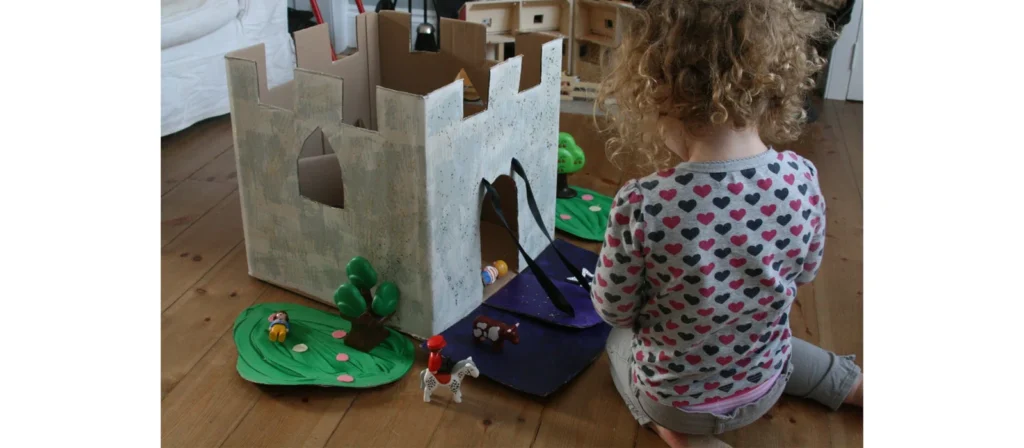
After reading, give kids time to draw their favorite scene, character, or even something not in the book. Art provides a way for children to process stories and add their own creative ideas. Whether using crayons, collage materials, or modeling clay, these artistic extensions deepen comprehension and encourage imagination beyond the text.
Let Kids Invent New Endings
Invite children to rewrite the ending of the story or imagine what could happen next. This transforms them from passive recipients into storytellers. They begin to question the narrative and explore alternative outcomes. Their new twists often show unexpected creativity, proving they are thinking beyond the original story.
Connect Stories to Real-Life Experiences
Linking a story to something familiar in a child’s world, such as a trip to the zoo or starting school, helps them personalize the experience. This makes it easier for them to imagine themselves in the character’s place or to build on the story with ideas from their own lives. It deepens emotional understanding and encourages reflection.
Discover Books Made for Interactive Storytime
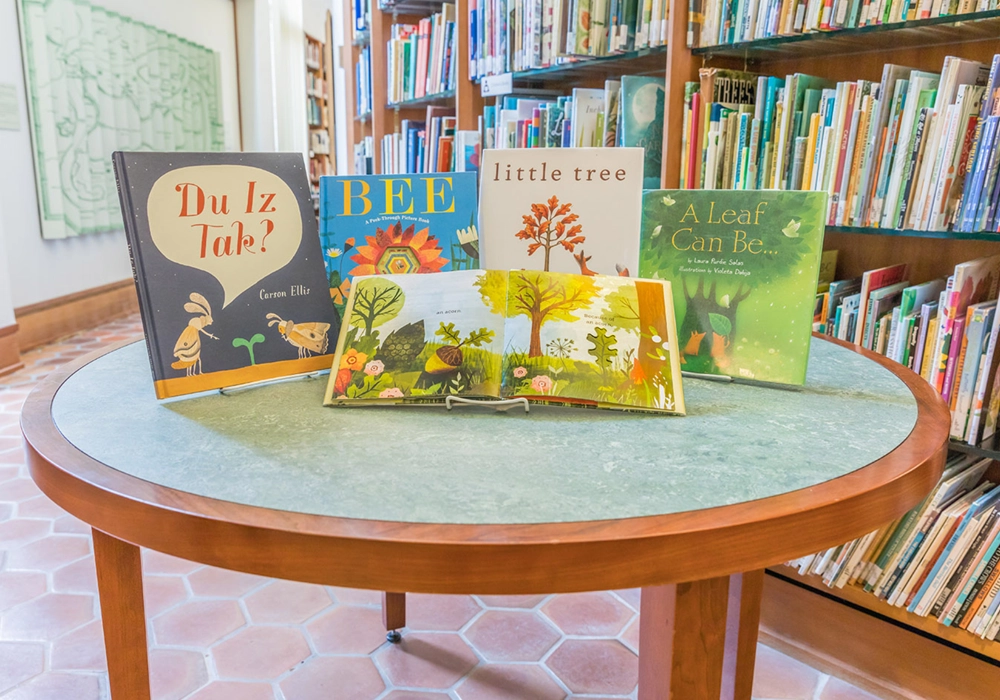
The right books make all the difference in interactive storytime. Explore our curated collection of children’s books designed to encourage participation, imagination, and joyful reading experiences. Perfect for parents, teachers, and anyone looking to turn storytime into something kids truly love.
 Explore Our Children’s Books
Turn Every Story Into a Creative Journey
Interactive storytime is more than just a way to entertain. It is a gateway to imagination, learning, and connection. By inviting children to participate, respond, and create, you help them build confidence, develop language skills, and form deeper emotional bonds with stories.
The best part is that you do not need special tools or training to get started. With a little creativity and intention, you can turn any book into a rich, interactive experience. Try just one or two ideas from this list and watch how your storytime sessions come to life.
Whether you are a parent, teacher, or librarian, your role as a storyteller has the power to shape how children see themselves in stories and in the world around them. Let every story be a chance to imagine, express, and grow.