 English
  Arabic
  French
  Italian
  German
  Spanish (Spain)
  Thai
Thai  Japanese
  Turkish
  Indonesian
  Vietnamese
  Polish
  Portuguese
  Malay
Malay  Swedish
  Spanish (Mexico)
Preschool Nap Time can easily become one of the most confusing parts of the day for both parents and teachers. Some children fall asleep right away, others toss and turn, and a few lie there wide awake. You might wonder whether the child really needs a nap, whether rest time is just a school habit, or if daytime sleep will ruin bedtime at night.
When nap time keeps turning into a struggle, it does more than just interrupt the schedule. Adults feel stressed trying to settle a whole group of young children, and kids can end up overtired, cranky, or wired. On top of that, there is a lot of mixed advice: some say preschoolers should stop napping early, others insist they still need it. All of this makes it hard to know what is truly best for a growing child.
This blog aims to cut through that confusion and give you a clear, practical picture of what preschool nap time really does for a child’s brain, mood, and body. You will see why naps matter, how nap needs change with age, what a reasonable nap length looks like, and how to support both nappers and non-nappers in a calm, respectful way. The goal is simple: to help you feel more confident and less stressed about rest time.

Why are naps important for preschool children?
For many adults, Preschool Nap Time can look like a simple pause in the middle of the day. For young children, though, it is much more than a break. Naps are closely tied to how their brains grow, how they handle emotions, and how their bodies recharge. When we understand what is going on beneath the surface, it becomes easier to see nap time as a key part of early childhood, not just a block on the daily schedule.
Napping helps with brain development.
During the preschool years, children’s brains are working at high speed. They are learning new vocabulary, social rules, physical skills, and classroom routines almost every hour. This constant learning is exciting but also tiring. The brain needs regular rest to process and store all this new information.
A nap gives the brain a chance to process the morning’s experiences. Instead of being bombarded with more information, children can rest, allowing the brain to consolidate memory connections and clear away distractions. For preschoolers, this might mean memorizing a new song, remembering letter shapes, or understanding social rules that were previously difficult to grasp. Many preschoolers who nap regularly demonstrate better attention spans, smoother transitions, and improved learning abilities over time.
Napping helps with mood regulation.
Regular naps act like an emotional reset button. After sufficient rest, many children become more patient, flexible, and better able to cope with frustration. They are more likely to share toys, patiently wait for their turn, or attempt challenging activities without giving up easily. This not only makes the child happier but also makes their classmates and adults more willing to spend time with them.
Sleep also helps the part of the brain that controls impulses. When preschoolers are well-rested, they are more likely to think calmly before pushing, yelling, or grabbing others. This doesn’t mean naps magically eliminate all undesirable behaviors, but they do provide a better foundation for children to better utilize the skills adults try to teach them, such as speaking, seeking help, or avoiding conflict.
Napping promotes physical development.
While preschoolers may not appear to grow taller while sleeping on their mats, many changes are taking place inside their bodies. Growth-related physiological processes are still actively occurring during rest. Muscles repair themselves, energy reserves are replenished, and the body has a chance to recover from morning activities. This recovery time is crucial for children who are always moving, climbing, running, and playing.
Physical health is also closely linked to rest and sleep. In the long run, children who get enough sleep are more likely to have a stronger immune system and more stable energy levels. This means they have fewer days when they are energetic and actively engaged in play and learning. Of course, naps are not the only factor affecting a child’s health, but they are a practical practice that families and schools can support.
Rest time helps develop healthy habits.
Even if children don’t fall asleep completely, daily naps can cultivate many valuable habits. In this fast-paced world that values continuous activity, learning to slow down is an important skill. The quiet schedule of kindergarten naps sends a message: stopping, listening to your body, and taking care of your needs are normal and acceptable.
Regularity is crucial. If nap times are roughly the same each day, children’s biological clocks begin to adjust. Their bodies begin to anticipate rest, making it easier to fall asleep. This predictable pattern also helps improve nighttime sleep quality, as children’s sleep-wake cycles become more stable. In this way, kindergarten naps become an important part of healthy sleep habits, and the impact of these healthy sleep habits extends far beyond the classroom.
Teachers also benefit.
It’s easy for people to schedule nap time solely based on the children’s needs, but teachers are also significantly affected. Preschool classrooms are often filled with activity, noise, and decision-making. Regular nap times allow teachers to relax, prepare teaching materials, and handle planning or communication tasks without constantly monitoring the children’s activity levels.
Nap times also strengthen teacher-student relationships. When teachers guide children to sleep in a gentle, predictable way, trust is built. Children begin to see naps as safe, caring times, not punishment or something to resist. Over time, this trust extends to other parts of the day, making routines smoother and the classroom atmosphere more harmonious.
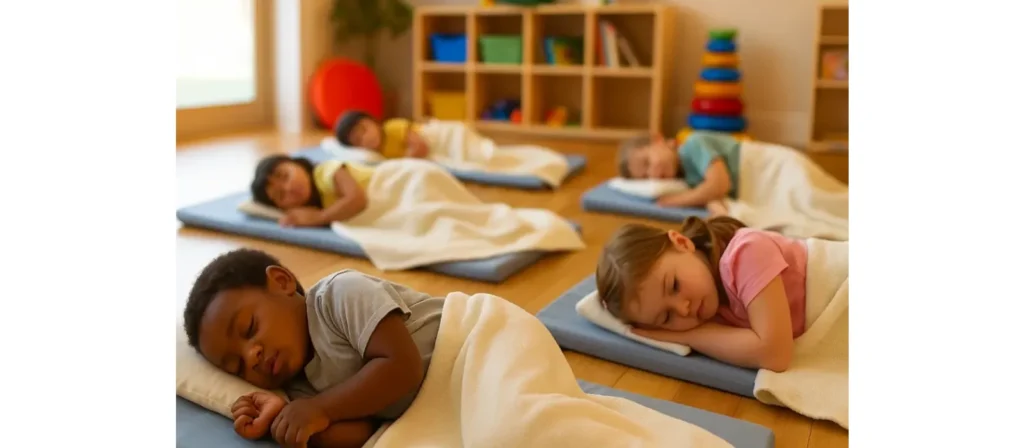
In short, naps are not just a school routine. They contribute to brain development, emotional balance, physical health, the formation of good habits, and even benefit the mental and physical well-being of teachers. If preschool nap times are carefully planned and consistently provided, they can become an integral part of a child’s day, not just a short break between “important” activities.
How long should kindergarten children’s naps be?
Every child’s sleep needs change rapidly in the early years, and Preschool Nap Time should reflect that natural shift. While there is no single rule that fits all children, understanding general patterns by age can help teachers and parents create rest schedules that truly match developmental needs. The goal is not to force a nap but to provide the right amount of rest so the child’s brain and body can recharge.
Infants
By around six months, many babies start to consolidate their sleep into two to three daytime naps, each lasting anywhere from one to two hours. Most babies under one year need between 12 to 16 hours of total sleep in a 24-hour period, often divided into several naps during the day and longer stretches at night.
For infants in childcare or early learning environments, flexibility is key. Unlike preschoolers, babies cannot yet follow a set nap schedule tied to the clock. Their bodies signal when they need rest through cues like rubbing eyes, yawning, or fussing. Teachers and caregivers should watch for these signs rather than relying solely on a rigid timetable.
Toddlers
Most toddlers need 11 to 14 hours of total sleep in 24 hours, including one longer nap during the day that typically lasts between one and two hours. This single nap often occurs after lunch, when children’s energy naturally dips.
During this stage, nap time becomes an important bridge between high activity and recovery. Toddlers are learning quickly, exploring boundaries, and developing independence. Their brains and bodies still need the midday reset that a nap provides. Skipping naps too early can lead to crankiness, emotional outbursts, and even trouble falling asleep at night because the child becomes overtired.
Preschoolers
By preschool age (around three to five years old), children’s sleep needs vary considerably. Some children still nap daily, while others no longer need daytime naps.
For many preschool programs, nap or rest time lasts between 45 minutes to one and a half hours, typically scheduled after lunch. This length allows children who truly need sleep to fall into a short, refreshing nap without cutting too deeply into nighttime rest. Those who do not fall asleep can still benefit from quiet activities, such as reading or lying quietly on a mat with soft music in the background.
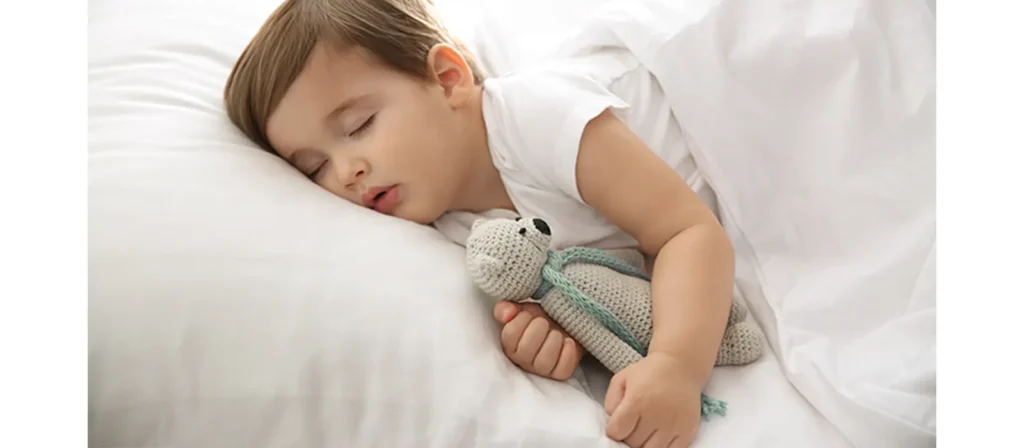
In short, while infants, toddlers, and preschoolers all require different amounts of sleep, every stage benefits from consistent, thoughtful rest routines. By observing each child’s cues, keeping nap times predictable, and providing a calm environment, teachers and parents can ensure that Preschool Nap Time supports growth, learning, and emotional well-being at every age.
Helpful Rules for a Successful Preschool Nap Time
For many classrooms and homes, nap time for preschoolers goes much smoother when clear, gentle rules are established. Children feel safer and more secure when their routines are predictable and the environment is conducive to rest rather than hindering it. These simple principles are not about striving for perfection, but about creating an environment where most children can relax, so adults don’t have to deal with the same problems every day.
Maintain a regular schedule.
A regular pattern might look like this: finish lunch, use the bathroom, choose a comfort item, then lie down on the mat. When these steps happen in the same order each day, the routine itself becomes a silent signal that it is time to rest. Even children who say they are “not tired” benefit from this rhythm, because the consistency makes it clear that everyone has a quiet period, whether they nap or not.
Keep the environment quiet.
The physical environment can make or break Preschool Nap Time. A noisy, bright, or chaotic space makes it much harder for children to rest, even if they are tired. A quieter environment tells the nervous system that it is safe to shift from high energy to calm.
Before rest time, dimming the lights, closing curtains, and putting away loud or exciting toys can help change the mood of the room. Children often respond quickly to these environmental cues. A softer tone of voice from adults and slower movements also send the message that the room has shifted into a different, quieter phase of the day.
Use comfortable bedding.
A mat that offers a bit of cushioning, a clean blanket, and a small pillow, if allowed by local safety guidelines, can help children feel secure and cozy. Many preschoolers also benefit from having a familiar comfort item, such as a soft toy or a special blanket from home, as long as this fits within the program’s policies. This sense of familiarity can bridge the gap between home and school, easing separation and soothing anxiety.
Bedding should also be clearly labeled and kept in the same spot every day. Knowing “this is my mat, this is my blanket” helps children feel ownership and security. It also reduces conflict over materials and makes the transition into nap time smoother.
Play soothing music.
Gentle background sound can support Preschool Nap Time by masking small noises and creating a calm atmosphere. Soft, soothing music, nature sounds, or simple instrumental tracks can help children relax without overstimulating them. The key is to choose sounds that are steady and predictable rather than lively or dramatic.
Playing the same type of music at the start of rest time each day can act as an audio cue, signaling to children that it is time to slow down. Over time, the brain begins to associate that sound with relaxation. This is similar to how adults might use a specific playlist to unwind at night or focus during work.
Set a relaxed example.
Setting a relaxed example starts before rest time even begins. Using a steady, reassuring tone when explaining that nap time is coming, maintaining clear but gentle expectations, and avoiding power struggles all make a difference. If a child is restless, responding with calm redirection rather than frustration shows them how to handle transitions more smoothly.
Some adults find it helpful to sit quietly, read a book in a low voice, or simply remain still during rest time instead of using the period to rush through other tasks in the same space. While teachers often need that time to prepare for the afternoon, doing so quietly and with a composed presence helps maintain the restful atmosphere. When children see that the adults are also respecting quiet time, they are more likely to do the same.
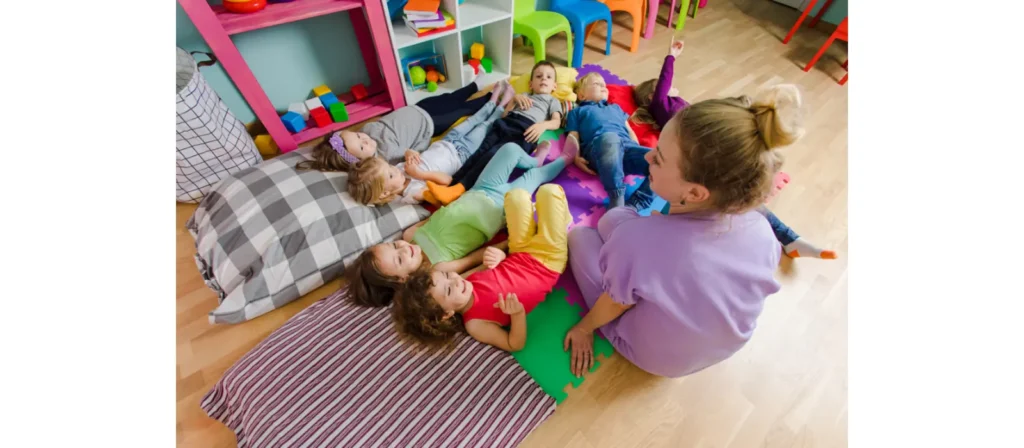
Taken together, these rules create a framework that supports successful Preschool Nap Time. A regular schedule, a quiet environment, comfortable bedding, soothing sounds, and calm adult behavior all work together. None of them is a magic fix on its own, but when combined, they make rest time more predictable, more peaceful, and more beneficial for both children and adults.
Tips for Non-Nappers in Preschool
Even in a well-structured Preschool Nap Time routine, there will always be a few children who simply do not fall asleep. Some have naturally lower sleep needs, some are in the middle of dropping their naps, and others may be too stimulated or anxious to drift off in a group setting. Forcing sleep usually leads to frustration for everyone. Instead, the goal is to give non-nappers a way to rest their bodies and minds without disrupting the children who do need to sleep.
Designate a quiet time
For children who do not nap, the most important idea to understand is that rest time is for everyone, even if not everyone sleeps. Setting a clear, daily quiet time helps keep Preschool Nap Time fair and consistent. Instead of presenting it as “you must sleep,” frame it as “everyone has a quiet rest period after lunch.”
When quiet time is clearly explained and happens at the same time each day, children know what to expect. Non-nappers can relax because they understand they are not in trouble for staying awake, and children who do sleep are more likely to get the deep rest they need. The structure gives everyone a sense of fairness: some sleep, some do not, but everyone rests.
Let them choose an activity
Choice can make a big difference for non-nappers. When a child feels trapped on a mat with nothing to do, frustration grows quickly. Offering a small set of calm options allows them to feel some control while still respecting the purpose of Preschool Nap Time.
You might provide a quiet activity basket for non-nappers. This could include board books, simple drawing materials, soft dolls, or matching cards. The key is to choose items that do not make noise, roll away, or invite active play. Before rest time, you can ask the child to pick one or two items from the basket to keep near their mat.
Teach the Difference Between Resting and Playing
Young children do not automatically understand that resting is different from playing. For many preschoolers, being awake means it is time to move, talk, and interact. If adults do not clearly explain the difference, non-nappers might feel that the quiet expectations during Preschool Nap Time are unfair or confusing.
During group time, talk about when the class plays and when it rests. Ask questions like, “What does your body do during rest time?” and “How can you help your friends sleep?” This helps children understand that they are part of a community where everyone’s needs matter.
Non-nappers start to see quiet rest as a skill they can learn, not as a punishment. Over time, many children take pride in being able to rest respectfully, even when they are not sleepy.
Coordinate With Parents
Non-nappers in preschool are often in the middle of a larger sleep transition at home. Some may still nap on certain days, others may be going to bed very late, and a few might wake very early in the morning. Without communication between home and school, it is easy for misunderstandings to arise. Parents might think their child is never offered a chance to nap, while teachers may feel confused about why the child seems so tired or wide awake.
Together, families and teachers can decide on a reasonable approach for that child. For example, they might agree that the child will always have a quiet rest period but will not be pushed to sleep, or they may plan for a shorter rest on days when bedtime has been difficult. When everyone is on the same page, Preschool Nap Time becomes more consistent and predictable for the child, reducing confusion and stress.
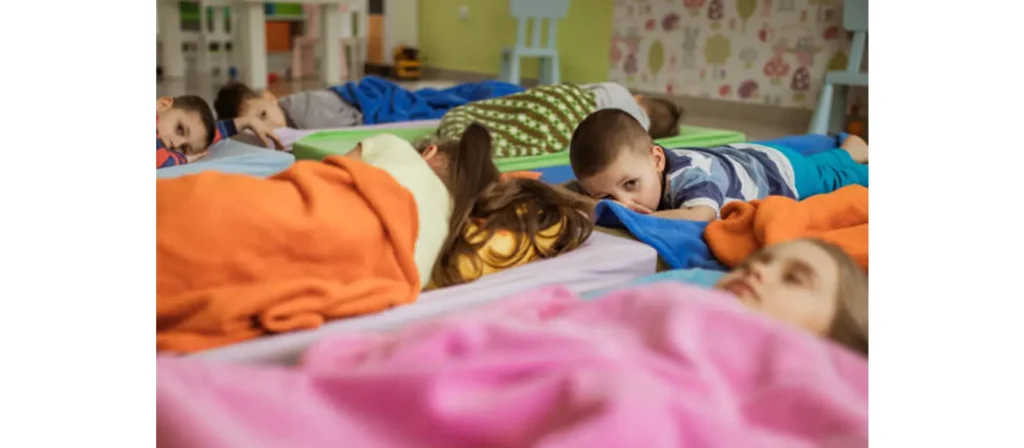
In conclusion, these principles demonstrate that children who don’t like naps can still have meaningful rest experiences during kindergarten nap time. Designated quiet time, limited but realistic choices, clear explanations of the importance of rest, and open communication with parents create a peaceful environment. In this environment, even children who don’t nap can learn to stop, respect others, and take care of their own physical and mental well-being in a gentle, age-appropriate way.
Typical Daily Schedule For Preschool
Below is an example of a typical daily schedule for a preschool classroom. This outline can vary depending on each school’s hours, philosophy, and age group, but the general structure remains similar across well-organized programs.
| Time | Activity | Description |
|---|---|---|
| 7:30 – 8:30 AM | Arrival & Free Play | Children arrive, greet teachers, and explore open-ended activities to ease into the day. |
| 8:30 – 9:00 AM | Morning Circle | Group meeting to sing songs, review the day’s plan, and build social connection. |
| 9:00 – 10:00 AM | Learning Centers | Small-group activities focused on fine motor skills, language, and early learning tasks. |
| 10:00 – 10:30 AM | Snack Time | Healthy snack and hydration break. |
| 10:30 – 11:30 AM | Outdoor Play | Running, climbing, games, and exploration to build physical coordination. |
| 11:30 – 12:00 PM | Storytime / Music / Transition to Lunch | Calm activities that help children wind down before eating. |
| 12:00 – 12:30 PM | Lunch | Shared meal and social learning opportunity. |
| 12:30 – 2:00 PM | Preschool Nap Time / Quiet Rest Period | Children nap or rest quietly on mats. Soothing music or soft lighting supports relaxation. |
| 2:00 – 2:30 PM | Wake-Up & Snack | Gentle transition from rest; light snack to regain energy. |
| 2:30 – 3:30 PM | Afternoon Learning & Creative Play | Art projects, science exploration, or storytelling; flexible learning time. |
| 3:30 – 4:00 PM | Outdoor Play / Gross Motor Time | Final burst of energy outdoors before pick-up. |
| 4:00 – 4:30 PM | Closing Circle & Dismissal | Reflect on the day, sing goodbye songs, and prepare for home time. |
This regular schedule not only promotes healthy sleep but also enhances children’s sense of security. Children gradually understand that each day has a predictable rhythm: time for play, time for study, time for meals, and time for rest. This reliability makes transitions smoother, behavior easier to manage, and learning more enjoyable.
Conclusion
When you look at this issue holistically, you’ll find that preschool children’s nap time is not a trivial matter. It affects almost every aspect of a child’s development. Naps promote brain development, giving the brain time to process new experiences and consolidate memories. Naps help regulate mood, reducing the likelihood of afternoon emotional breakdowns and helping children maintain emotional balance. Naps also promote physical development, allowing the body to recover from active play and continuous movement. Even if a child doesn’t fall asleep completely, quiet rest helps establish healthy sleep habits that can even carry over into school age.
Ultimately, the best results from preschool nap time come from viewing it as a shared responsibility. Parents and teachers should communicate openly, share observations, and work together to develop plans. The focus should be on the child’s overall well-being, rather than strict rules about how long naps “should” last. When adults view rest time as a normal, important, and flexible part of the day, children understand how important it is to take care of their physical and mental health. This is one of the most valuable lessons they can carry into preschool and beyond.
FAQs
1. At what age do most preschoolers stop napping?
There is no single age when all children stop napping, but many begin to phase out naps sometime between three and five years old. Some four-year-olds still benefit from a regular nap during Preschool Nap Time, while others do well with quiet rest instead of sleep. A good sign that a child may be ready to drop daily naps is when they consistently stay awake during rest time, remain calm and focused in the afternoon, and still fall asleep at a reasonable bedtime.
If a child stops napping but becomes very cranky or overwhelmed later in the day, that can be a clue that they still need some daytime sleep or a longer quiet rest. It is helpful to adjust slowly rather than removing naps all at once. Shorter naps or quiet time with the option to sleep can support a smoother transition.
2. Will a nap at preschool make it harder for my child to sleep at night?
For most preschoolers, a well-timed nap does not harm nighttime sleep. In fact, a balanced Preschool Nap Time often supports better sleep overall. When children are extremely overtired, they may become more wired and restless at bedtime, making it harder to fall asleep even though they seem exhausted. A midday nap or quiet rest can prevent that overtired state.
Timing is the key factor. If a nap is very long or ends too late in the afternoon, it may delay bedtime for some children. In that case, teachers and parents can work together to adjust nap length or schedule. Shortening the nap, offering quiet rest instead of deep sleep for some children, or making sure rest time ends by mid-afternoon can usually resolve bedtime struggles without removing naps completely.
3. What if my child naps at preschool but refuses to nap at home?
It is quite common for children to nap reliably during Preschool Nap Time but resist naps on weekends or holidays. In a group setting, consistent routines, peer behavior, and a calm environment all signal that it is time to rest. At home, there may be more distractions, more exciting options, or a different schedule, which can make naps harder.
If your child naps well at school but not at home, it can help to copy parts of the preschool routine. Use a similar rest time after lunch, follow the same order of events leading into the nap, and create a calm space that feels predictable. You can also talk with your child’s teacher about what works in the classroom, then adapt those ideas in a way that fits your home and family.
4. What should I do if my child never sleeps during Preschool Nap Time?
Some children truly are non-nappers by the time they reach preschool. If your child rarely sleeps but stays calm and cooperative during quiet rest, they may simply need less daytime sleep. In this case, focus on how they are doing overall. If they handle the afternoon well, interact positively, and fall asleep at night without major battles, it is usually fine for them to stay awake during rest time.
However, if your child does not sleep and also seems very tired, irritable, or overwhelmed later in the day, they may still need more rest than they are getting. You can talk with the teacher about how quiet time is set up and whether small changes might help them relax more deeply, such as a different spot in the room, a comfort item from home, or a slightly earlier rest period. Working together, you can adjust the routine so that even a non-napper gets the benefits of a daily pause.
5. How can I talk to my child’s teacher about nap concerns?
Open, respectful communication is the best approach. If you have questions about Preschool Nap Time, ask the teacher how your child behaves and feels during rest, how often they sleep, and how they seem afterward. Share what you see at home, including bedtime habits, wake-up times, and weekend naps. This two-way information helps both of you understand the full picture.
Instead of asking for a strict change right away, try asking for ideas and suggestions. A teacher can explain how nap time works in the classroom and may offer practical adjustments that still fit the group’s needs. Together, you can agree on a plan, such as shorter naps, a stronger focus on quiet activities, or specific comfort items. When home and school stay aligned, nap time becomes less stressful and more supportive for your child.